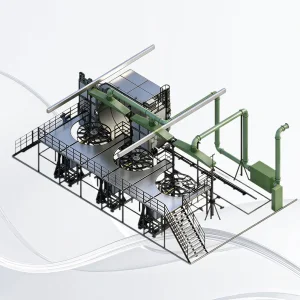

Engineered specifically to seamlessly integrate with Japanese manufacturing protocols, high-efficiency voltage requirements, and compact industrial footprints.
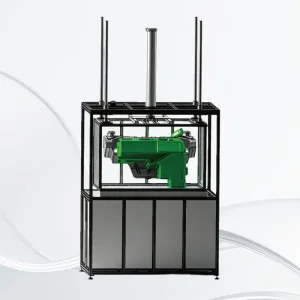
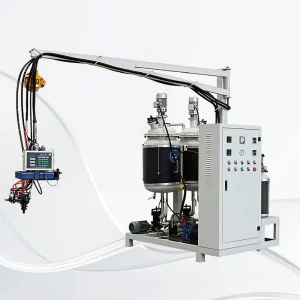
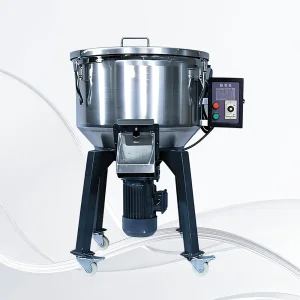
Mapping the transition of Western Japan's manufacturing heartland towards high-efficiency auxiliary robotics and IoT-driven secondary processing systems.
The Osaka Prefecture, encompassing major industrial hubs such as Higashiosaka, Sakai, Kadoma, and the coastal Sakai-Senboku petrochemical complex, represents Japan’s premier manufacturing engine for specialized polymer processing, rotomolding industrial containers, automotive sub-assemblies, and high-performance synthetic materials. As Kansai manufacturers face unprecedented macro-economic pressure—characterized by rising electricity tariffs (Kansai Electric Power Co. region), acute labor shortages due to aging demographics, and stringent carbon-neutrality mandates (METI Green Growth Strategy)—the integration of advanced auxiliary machinery sourced from top-tier Chinese manufacturing clusters has emerged as a strategic imperative.
Information Gain Key Insight: Chinese auxiliary machine OEM suppliers are no longer merely competing on unit cost. By integrating IoT-connected PLCs (supporting OPC UA and Modbus TCP), energy-recuperative heating elements, and ultra-compact footprints designed for constrained urban Japanese floor space, modern Chinese auxiliary equipment delivers an average 38% reduction in Total Cost of Ownership (TCO) for Osaka-based molding enterprises.
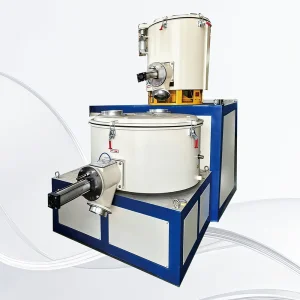
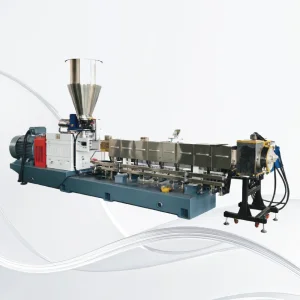
Historically, Japanese plastics and rotational molding factories relied heavily on domestically produced auxiliary systems. However, rapid capital expenditure constraints and the need for agile, customized secondary machinery—such as high-speed turbomixers, single-screw pelletizing reclaimers, computerized automatic dosing scales, and automated leak detection rigs—have driven procurement managers across Osaka to partner directly with Chinese original equipment manufacturers (OEMs). Ningbo StarWay Roto Co., Ltd., leveraging over 23 years of specialized engineering expertise, provides end-to-end custom auxiliary infrastructure tailored to the rigorous precision, spatial efficiency, and voltage parameters of the Kansai industrial district (200V / 3-Phase / 60Hz grid standards).
Next-generation engineering standards powering thermal processing, pneumatic conveying, and closed-loop material reclamation.
Incorporating infrared closed-loop sensor networks and high-density ceramic insulation bands. Auxiliary PU foaming units and polymer fluid heaters reduce ambient thermal dissipation by up to 42%, maintaining process thermal stability within ±0.5°C.
Microprocessor-controlled loss-in-weight gravimetric feeders and vacuum pulverizer feeders prevent cross-contamination in color changeovers. Designed specifically for engineering-grade resins (HDPE, LLDPE, PP, and TPU blends).
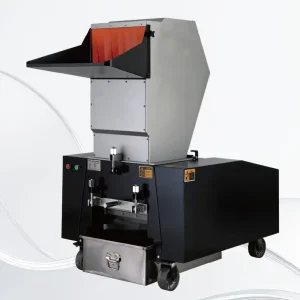
Equipped with Omron and Mitsubishi PLC compatibility natively integrated into Chinese auxiliary control panels. Enables real-time telemetry streaming, predictive vibration analytics for crushers, and instant remote support from Ningbo R&D labs.
| Performance Metrics | Legacy Auxiliary Systems (Pre-2018) | StarWay Next-Gen Auxiliary Systems (2025 Grid Edition) | Osaka Factory Operational Benefit |
|---|---|---|---|
| Power Conversion Efficiency | 72% - 78% Electrical Efficiency | 93.5% (IE4 Super-Premium Efficiency Motors) | Drastic cut in Monthly Kansai Electric Power Bills |
| PLC Protocol Integration | Proprietary Closed Architecture | Native Modbus TCP / OPC UA / CC-Link Ready | Seamless Plug-and-Play with Japanese MES & Robots |
| Powder/Granule Dosing Accuracy | ±0.5% Manual / Volumetric | ±0.05% Gravimetric Loss-in-Weight Control | Substantial Reduction in Expensive Polymer Resin Waste |
| Acoustic Emission Level | > 85 dB(A) at 1 Meter | < 72 dB(A) Ultra-Low Noise Enclosure | Compliance with Japanese Factory Workplace Noise Standards |
| Footprint Density (kW/m²) | 1.8 kW per sq meter | 4.2 kW per sq meter (Vertical Stacked Design) | Optimized space utilization in compact Higashiosaka facilities |
Direct maritime linkage between Ningbo-Zhoushan Port and Osaka Nanko Port guarantees rapid equipment transit and operational continuity.
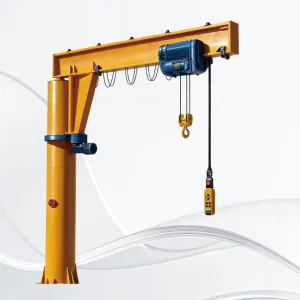
Headquartered in Ningbo, Zhejiang Province, StarWay Roto operates within the world's densest precision machinery manufacturing ecosystem. This vertical integration allows for complete in-house manufacturing of auxiliary component parts—from CNC-machined mixer shafts to heavy-duty welded structural crane frames. By eliminating third-party sub-assembly markup, we pass 25%–35% direct cost savings to Osaka buyers without compromising alloy metallurgy or electrical standards.
Logistical speed is critical for modern industrial operations. The maritime route between Ningbo-Zhoushan and Osaka Port (Nanko District) features over 15 direct container vessel sailings per week. Transit time is under 48 to 72 hours, enabling near-domestic supply chain responsiveness. Whether shipping modular pelletizing units, heavy crushers, or replacement heating jackets, Kansai plants benefit from streamlined customs clearance and minimal buffer inventory requirements.
Real-world industrial case implementations across Osaka's specialized manufacturing zones.
Deployment: Automatic Dosing & High-Pressure PU Insulation Foaming Machinery.
Application: Integrated into double-walled chemical storage tank production lines in Sakai city. Ensures void-free polyurethane thermal isolation layers, automated weight monitoring, and zero hazardous gas leaks during dispensing processes.
Deployment: High-Speed Turbo Mixers & Single-Screw Pelletizing Systems.
Application: Recycling post-industrial plastic off-cuts directly at the molding machine side. Converts scrap into high-purity uniform resin granules, reducing raw material procurement costs by 22% for local automotive OEM suppliers.
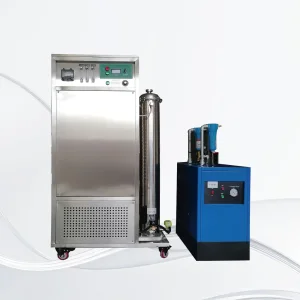
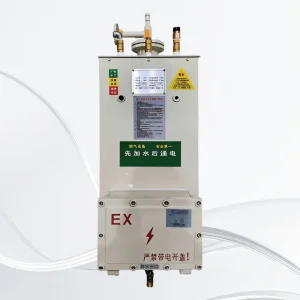
Deployment: Custom Photo-Oxygen Exhaust Deodorization & Gasifier Units.
Application: Installed in specialized plastic heat-treatment plants to purge volatile organic compounds (VOCs) and odor emissions, ensuring compliance with strict Osaka Municipal Environmental Protection Ordinances.
Engineered in compliance with JIS, METI, and CE safety protocols, supported by rapid local service options.
Procuring industrial auxiliary machinery internationally requires total assurance regarding regulatory compliance and electrical safety. Auxiliary equipment manufactured by StarWay Roto for the Japanese market undergoes rigorous pre-shipment validation under the following regulatory frameworks:
All motors, contactors, relays, and circuit breakers strictly comply with the Electrical Appliance and Material Safety Law (PSE mark standards) and Japanese Industrial Standards (JIS B series for industrial machinery).
Pneumatic system valves, pressurized tanks, and hydraulic auxiliary circuits are designed and pressure-tested to exceed METI high-pressure gas regulations, complete with English/Japanese documentation.
Partnering with experienced local technical service teams in the Kansai area, we offer fast equipment commissioning, operator safety training, emergency spare parts dispatch, and on-site engineering consultations.
Addressing key engineering, procurement, and logistical queries from Osaka industrial buyers.
Explore our full line of industrial pulverizers, heavy cranes, high-speed mixers, gasifiers, and safety enclosures.
Contact Ningbo StarWay Roto engineering experts today for localized engineering CAD files, custom voltage configuration quotes, and Osaka port logistics scheduling.
Send Inquiry Now