Explore top-tier rotational molding equipment engineered for high operational throughput, precise thermal control, and reduced floor space utilization.
The global rotational molding (rotomolding) equipment market is undergoing a profound paradigm shift driven by thermal efficiency optimization, material science advancements, and localized supply chain restructuring. Historically dominated by Western European and North American machinery builders, the industrial manufacturing landscape for hollow seamless plastic products has increasingly anchored its machinery procurement and tooling development in specialized Chinese industrial clusters such as Zhejiang, Jiangsu, and Shandong.
Modern rotomolding technology is no longer constrained to basic open-flame or crude hot-air circulation ovens. Today's global buyers—spanning agricultural storage, marine infrastructure, automotive fuel ducting, and cold-chain logistics—demand advanced biaxial rotation kinetics, real-time wireless Internal Air Temperature (IAT) telemetry, and direct electric heating chambers. Sourcing from Chinese rotational molding technology factories offers international OEMs an unprecedented balance of Capital Expenditure (CAPEX) efficiency and high-precision technical compliance (CE, UL, ISO 9001).
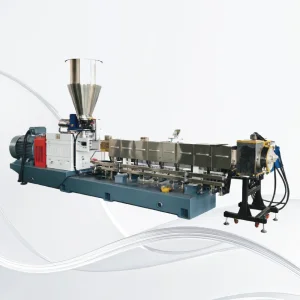
This whitepaper serves as an authoritative technical and commercial benchmark for procurement officers, plant operations managers, and mechanical design engineers evaluating Chinese rotomolding machinery, custom mold tooling (CNC cast aluminum and fabricated steel), and upstream/downstream auxiliary processing systems (such as high-speed plastic pulverizers and recycling pelletizers).
Rotational molding is a stress-free thermoplastic forming process utilizing low-pressure biaxial rotation within a heated oven. Selecting the appropriate machine configuration directly determines production speed, energy consumption per kilogram of processed resin, and overall plant floor ergonomics.
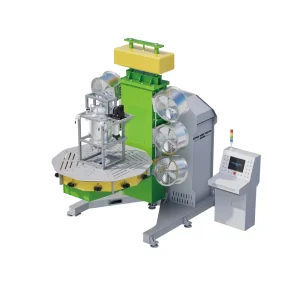
Designed for continuous, high-volume mass production. Featuring 3 to 4 independent arms (fixed-arm or independent-station configurations), Carousel units move molds seamlessly between loading/unloading, pre-heating, heating chamber, and multi-stage cooling bays (air blast and water mist spray). Ideal for standardized items like water tanks, industrial totes, and outdoor recreational goods.
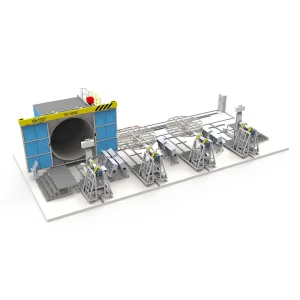
Optimized for high flexibility and reduced factory footprint. Shuttle machines utilize a central oven chamber flanked by one or two shuttle carts operating on a rail linear track. While Arm A undergoes a 20-minute heating cycle inside the oven, Arm B is demolding, servicing, and pre-charging powder in the cooling bay. This ensures 100% oven utilization without the massive circular footprint of a Carousel.
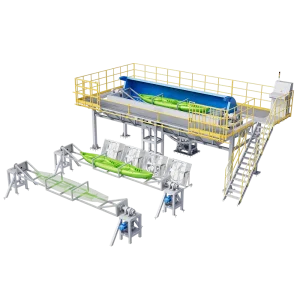
Purpose-built for ultra-large, long hollow structures such as marine boat hulls, kayaks, chemical drainage pipes, and large vessels. The mold rotates 360 degrees along its major longitudinal axis while rocking up to 45 degrees along its minor transverse axis. Open-flame or specialized compact oven variants dramatically lower capital expenditure for giant products.
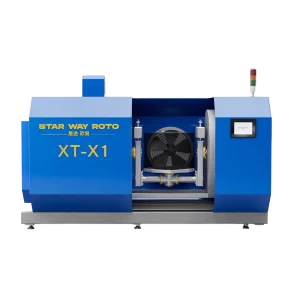
Replacing traditional natural gas, LPG, or diesel burners with high-efficiency ceramic or infrared electrical heating elements. Direct electric heating eliminates combustion by-products, achieves laser-accurate internal temperature control, reduces factory noise, and supports green carbon-neutral manufacturing initiatives.
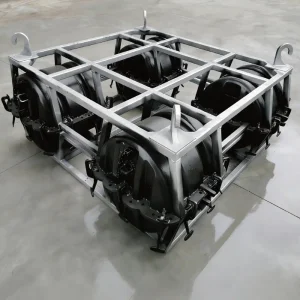
China's tooling hubs specialize in two main rotomolding mold categories: CNC Machined Cast Aluminum (A356 grade for high-detail, intricate geometry like toys, medical housings, and complex fuel tanks) and Fabricated Steel Sheet Molds (Q235/344 steel for large-scale tanks, septic systems, and agricultural silos).
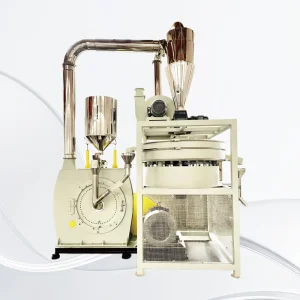
Smooth powder flowability requires precise resin particle size (typically 35 mesh / 500 microns). Modern Chinese high-speed turbo-disc plastic pulverizers and single-screw granulating pelletizers allow factories to convert raw virgin or recycled PE pellets into micro-powders with zero thermal degradation.
The dominance of Chinese rotomolding OEM suppliers stems from concentrated industrial clustering. Within regions like Ningbo (Zhejiang Province), Changzhou (Jiangsu Province), and Taizhou, the spatial proximity between foundry cast-aluminum mold shops, burner component manufacturers, automation PLC integrators, and heavy machine assembly plants drastically condenses the engineering lifecycle.
Rotational molding's primary advantage lies in producing seamless, double-walled, stress-free hollow products with uniform wall thickness at corners—a feat injection molding and blow molding struggle to achieve at large scale without astronomical tooling costs.
| Industry Sector | Target Rotomolded Product | Recommended Machine Tech | Optimal Material Grade | Key Performance Requirement |
|---|---|---|---|---|
| Agriculture & Chemicals | Vertical/Horizontal Storage Tanks (500L - 20,000L), Pest Sprayers | Carousel / Large Shuttle Machine | LLDPE / Cross-linked PE (XLPE) | Chemical resistance, UV20+ stabilization, stress crack immunity |
| Marine & Offshore | Yacht Hulls, Pontoons, Floating Docks, Navigation Buoys | Rock & Roll Swing Machine / Open Flame | Foam-filled HDPE / LLDPE | High impact strength, seam resistance, zero water absorption |
| Cold Chain Logistics | Insulated Vaccine Boxes, Heavy-duty Roto Coolers, Fish Tubs | Independent Arm Carousel System | Food-Grade LLDPE + PU Foam Injection | Thermal insulation retentivity, FDA compliance, impact resilience |
| Automotive & Transit | Diesel Fuel Tanks, Air Intake Ducts, DEF Tanks, Engine Housings | Custom Shuttle / Electric Heating Machine | PA12 (Nylon) / Flame-Retardant PE | Low permeation rates, heat distortion endurance, tight dimensional tolerance |
| Municipal & Environmental | Septic Tanks, Waste Containers (660L/1100L), Underground Chambers | Linear Shuttle / Rock & Roll Machine | Recycled HDPE / Post-Consumer Regrind | Environmental stress crack resistance (ESCR), structural rigidity |
Pricing for rotational molding machinery varies based on chamber size (max swing diameter), heating power (gas burner kcal vs electric kW rating), arm payload, and automation degree (PLC touch screen interface, automated door seals, pneumatic clamping). Below is an indicative 2026 pricing and specification matrix from leading Chinese suppliers.
| Equipment Category | Model Class / Capacity Spec | Heating Type | Est. FOB China Price Range (USD) | Typical Lead Time |
|---|---|---|---|---|
| Linear Shuttle Machine | Swing Dia 1600mm - 3000mm (2 Carts) | Gas / Oil / Electric | $35,000 - $85,000 | 35 - 45 Days |
| Carousel Rotomolding Machine | 4-Arm Fixed/Independent (Swing 2000-4500mm) | Italian Riello Gas Burner | $85,000 - $220,000 | 50 - 65 Days |
| Rock & Roll Machine | Oven Chamber Type (Length 3m - 10m) | Direct Gas / Open Flame | $28,000 - $75,000 | 30 - 40 Days |
| Electric Heating Machine | Precision Lab & Cleanroom Grade | Ceramic Infrared Electric | $42,000 - $110,000 | 40 - 50 Days |
| Plastic Pulverizer Unit | Grinding Disc Model 500 - 800 (300-800 kg/h) | 380V/440V Motor Drive | $12,000 - $32,000 | 15 - 20 Days |
| Pelletizing Machine | Single-Screw LDPE/HDPE Recycling Line | Extruder Motor + Cutter | $18,000 - $48,000 | 25 - 30 Days |
| CNC Cast Aluminum Mold | Medium Complexity (e.g., Cooler Box / Tank) | N/A (Tooling) | $4,500 - $18,000 | 20 - 30 Days |
*Note: Prices mentioned above are generalized FOB port rates (e.g., Ningbo/Shanghai). Actual quotations depend on specific motor choices (Siemens/ABB), pneumatic systems (SMC/Festo), burner customization, and ocean freight logistics.
Discover Specialized Eco-Friendly Electric Ovens, Laboratory Testing Units, and Large Vessel Rock & Roll Machinery.
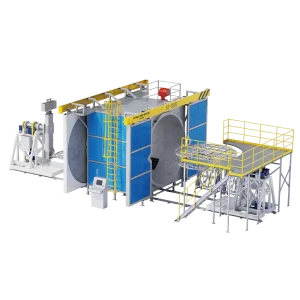
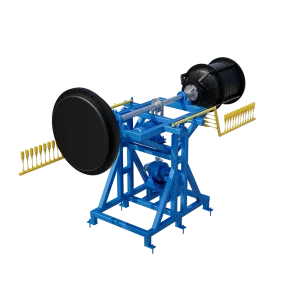
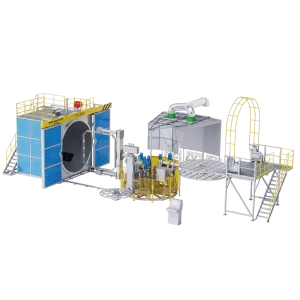
As energy tariffs shift and international carbon regulations (such as Europe's CBAM) enforce strict emissions accounting, the rotational molding machine sector is pivoting from raw thermal heating to Intelligent Thermal Optimization.
Eliminating guesswork in resin pinhole bubble removal. Wireless sensors installed directly inside the mold cavity stream real-time air temperature data to the central PLC, triggering cooling cycles at the exact thermodynamic peak of polymer fusion.
Autonomous Articulated Arm Robots equipped with pneumatic grippers and laser vision systems are taking over manual mold opening, product extraction, and pre-measured resin powder dosing, reducing labor requirements by up to 70% per shift.
Experimental direct-mold induction coil systems heat only the conductive metal mold wall rather than the entire 20-cubic-meter oven space. Early trials indicate a 60% reduction in kWh energy consumption per part.
Purchasing machinery from Chinese manufacturers requires ironclad assurances regarding electrical compliance, safety interlocks, and rapid field service response. Leading export factories maintain comprehensive quality control frameworks:
All electrical control cabinets utilize CE-certified components (Schneider, Siemens, Omron) built to EN 60204-1 safety standards. Gas burner systems incorporate dual solenoid shut-off valves, air pressure switches, and explosion relief hatches compliant with NFPA 86 regulations.
Modern rotomolding machines are equipped with VPN cloud routers, enabling engineers in Ningbo or Taizhou to perform real-time PLC diagnostics, software updates, and sensor recalibrations remotely. Local Field Service Engineers (FSE) provide overseas installation, operator training, and annual maintenance audits.
Comprehensive technical answers addressing common procurement, technical, and operational queries from global buyers.
A Carousel machine features 3 or 4 arms connected to a central rotating hub, moving molds sequentially through heating, cooling, and loading stations in a fixed radial loop. A Shuttle machine operates linearly on a straight rail track with one central oven and two separate shuttle carts on either side. Carousel units are superior for high-volume, continuous single-product manufacturing, whereas Shuttle units offer higher operational flexibility for switching different molds with varying heating cycle times without slowing down the factory line.
Electric heating rotomolding machines provide precise thermal distribution (±1.5°C), zero combustion emissions inside the workshop, quieter operation, and reduced maintenance by eliminating burner nozzle clogs and gas valve calibration issues. Electric heating is particularly advantageous in countries with high natural gas prices, strict local emissions laws, or facilities operating with solar power generation.
CNC Cast Aluminum Molds (A356 grade) are recommended for complex geometries requiring high surface detail, uniform wall thickness, molded-in threads, or intricate texturing (e.g., cooler boxes, playground equipment, boat hulls). Fabricated Steel Molds are constructed from welded sheet metal, offering a faster and cheaper tooling option for large, geometrically simple hollow items like agricultural water tanks, septic tanks, and chemical drums.
Rotational molding standard requires polyethylene resin pulverized to 35 mesh (approx. 500 microns) with a minimum 90% pass rate. Utilizing virgin or regrind pellets directly without pulverizing results in pinhole voids, incomplete melting, and uneven wall thickness. Chinese high-speed grinding disc pulverizers are designed specifically to achieve this particle size distribution without thermal degradation.
Standard lead times for complete machine lines range between 35 to 65 calendar days depending on machine scale and customization complexity. Tooling molds typically require 20 to 35 days from CAD sign-off. Combined turnkey factory shipments (machine + molds + pulverizer) are usually completed within 60 to 75 days.
Suppliers provide two delivery service paths: 1) On-site engineer dispatch for mechanical erection, gas line hookup supervision, PLC calibration, and staff training; or 2) Pre-wired modular plug-and-play assembly accompanied by HD video tutorials, remote VPN diagnostic connection, and live video commissioning assistance.