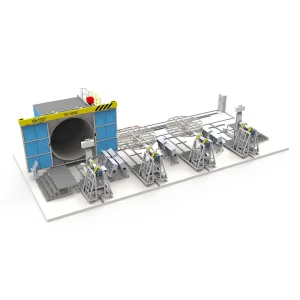
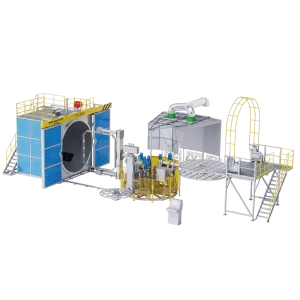
Selected industrial rotomolding plants, high-speed pulverizers, and open-flame/rock-and-roll configurations fully compliant with international safety and quality standards.
Understanding the structural shifts in global liquid containment demands, municipal infrastructure standards, and polymer manufacturing economics driving the adoption of CE-certified rotomoulding systems.
The global market for polyethylene (PE) water storage vessels has entered a phase of rapid technical transformation. Driven by accelerating urbanization across emerging markets, stringent environmental legislation regarding potable water preservation, and rising agricultural irrigation demands, industrial buyers are phasing out legacy single-layer rotational molding rigs in favor of highly automated, energy-efficient multi-layer rotomoulding production lines.
Modern procurement directors in Western Europe, North America, the Middle East, and Southeast Asia no longer evaluate rotomoulding machinery solely on initial capital expenditure (CapEx). Instead, the search intent of global procurement managers revolves around Total Cost of Ownership (TCO), operational safety, compliance with European Conformity (CE) directives, and the ability to manufacture multi-layer hollow bodies with pinpoint wall-thickness control.
Strict municipal codes demand stress-crack resistant, food-grade Linear Low-Density Polyethylene (LLDPE) and High-Density Polyethylene (HDPE) tanks. Machinery must deliver predictable thermal profiles to guarantee zero void formation and uniform polymer cross-linking.
Energy expenses represent up to 35% of operational expenditure in rotational molding. Direct burner optimization, eco-friendly electric heating ovens, and recirculating hot-air chambers are vital criteria for modern eco-conscious manufacturing plants.
Exporting to EU jurisdictions or installing high-value lines globally mandates adherence to the Machinery Directive 2006/42/EC and Electrical Safety EN 60204-1. CE compliance guarantees worker safety, electromagnetic compatibility, and structural risk mitigation.
Information Gain Insight: Comparative lifecycle cost studies demonstrate that a CE-certified, PLC-controlled shuttle or carousel rotomoulding machine yields a 14% higher material efficiency over a 5-year lifecycle compared to non-certified legacy open-flame systems, primarily through precise thermal management and reduced structural reject rates.
| Manufacturing Technology | Typical Volume Range | Tooling / Mold Cost | Stress-Free Wall Structure | Multi-Layer Capability | Ideal Procurement Scenario |
|---|---|---|---|---|---|
| Rotational Molding (Rotomoulding) | 500L – 30,000L+ | Low to Moderate | Excellent (Zero Residual Stress) | Seamless 2 to 4 Layers | Large, heavy-duty water tanks, chemical storage, outdoor septic systems. |
| Blow Molding (Large Scale) | 100L – 2,000L | Very High | Moderate (High Shrinkage) | Complex (Requires Co-Ex) | High-volume small/medium containers where cycle speed dominates. |
| Injection Molding | Up to 500L | Extremely High | Poor (High Mold Strain) | Single Layer (Insert limited) | Small open-top tubs, crates, and rigid structural fittings. |
Deep dive into the structural, mechanical, and electrical subsystems that define world-class rotomoulding water tank equipment manufactured by accredited Chinese exporters.
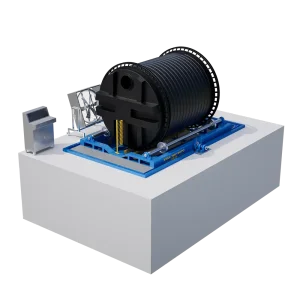
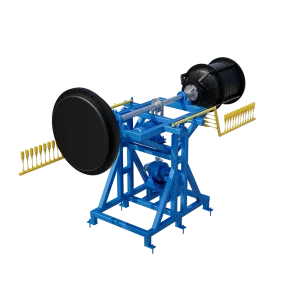
Engineered water tank making machines must withstand rigorous thermo-mechanical stress while delivering precise biaxial rotation. A standard industrial setup for large hollow products consists of three core structural modules: the heating chamber (oven), the cooling station, and the mechanical drive arm assemblies (straight arm, offset arm, or independent carousels).
Modern CE-compliant ovens utilize high-efficiency gas burners (Weishaupt, Riello, or proprietary electric heating grids) coupled with high-volume, low-velocity air recirculation fans. Dual-ducting ventilation ensures uniform heat transfer to the mold surfaces, avoiding localized hot spots that cause polymer degradation or uneven wall thickness in 5,000L to 10,000L water tanks.
The mechanical drive arm features variable-frequency drives (VFD) controlling major (primary) and minor (secondary) rotation axes independently. By fine-tuning speed ratios (e.g., 4:1 to 1:4), operators can precisely dictate material flow across deep ribs, sump bottoms, and top neck threads of water tanks.
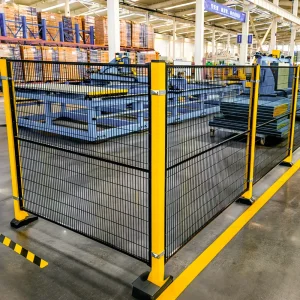
Comprehensive risk assessment covering moving arms, automatic doors, emergency stop relays, and physical interlocking safety fencing.
Rigorous wiring standards, IP54 industrial control cabinets, short-circuit protections, and surge suppressor integration for global grids.
Electromagnetic compatibility testing preventing VFD electrical noise from interfering with plant telemetry and automation sensor loops.
Safety of machinery - General principles for design, evaluation, and risk reduction embedded into mechanical fabrication.
How modern manufacturers leverage co-extrusion technology, automatic material handling, and intelligent molding lines to produce high-performance 3-layer and 4-layer PE tanks.
In consumer and municipal water storage, single-layer tanks are rapidly being superseded by multi-layer wall structures. Advanced CE-certified rotomoulding machinery allows for precise multi-drop material additions during the heating cycle without interrupting rotation or opening the oven door, utilizing pneumatic drop-boxes and automated dosing units.
Formulated with Carbon Black or high-grade UV-stabilized pigments (UV8/UV20 rating) to block sunlight penetration, preventing structural polymer degradation and thermal buildup under direct sunlight.
Incorporates expanding chemical blowing agents (PE foam core) that increase rigidity, structural hoop strength, and thermal insulation, keeping water temperatures stable across hot and cold climates.
100% virgin food-grade LLDPE meeting FDA 21 CFR 177.1520 regulations. Often embedded with silver-ion antimicrobial additives to inhibit algae growth and microbial biofilm formation.
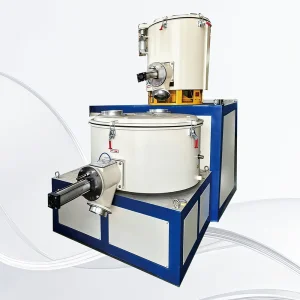
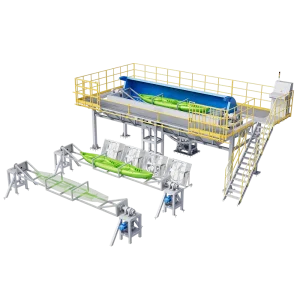
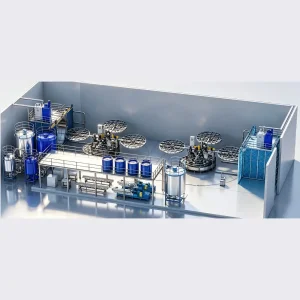
A complete factory setup engineered by leading Chinese exporters integrates resin preparation, molding, and quality control into a seamless automated ecosystem:
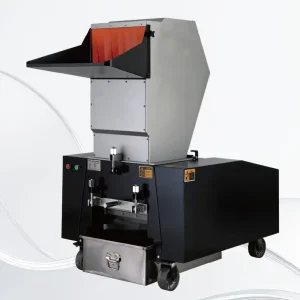
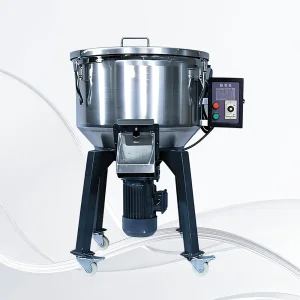
High-throughput pulverizers transform PE pellets into 35-50 mesh powder for rapid, pinhole-free melting.
Gravimetric load cell weighing systems feed precise powder quantities into automated pneumatic drop-boxes.
Carousel or Shuttle rotomoulding machine executes programmed thermal profile with SCADA integration.
Ultrasonic wall thickness measurement and high-pressure watertight testing ensure zero-leak guarantee.
Evaluating supplier credibility, technical documentation, factory acceptance testing (FAT), and international after-sales service frameworks.
Under Google's Search Quality Rater Guidelines (E-E-A-T: Experience, Expertise, Authoritativeness, and Trustworthiness), verified exporters must demonstrate robust technical competence and operational transparency. Buying heavy industrial machinery across borders requires strict risk mitigation protocols.
Prior to dispatch, qualified manufacturers conduct dry-run operational tests and full thermal profiling. Third-party inspection agencies (such as SGS, TÜV Rheinland, or Bureau Veritas) audit electrical safety wiring, emergency stops, mechanical welds, and burner combustion emissions against European standards.
Leading exporters maintain regional spare parts centers and field service engineers for installation, commissioning, and staff training. Advanced machines feature IoT gateways allowing engineers in China to remotely diagnose PLC logic, adjust PID temperature loops, and update software in real time.
Procurement Verification Checklist: Always request the supplier's CE Declaration of Conformity (DoC), Machinery Directive 2006/42/EC Certificate numbers, verified test reports for EN 60204-1, and ISO 9001:2015 quality control documentation before issuing letters of credit (LC).
The technological trajectory of rotational molding: Artificial intelligence thermal loops, zero-carbon electric heating, and bio-resin processing compatibility.
Integration of wireless infrared TP-Control sensors directly inside mold cavities. Real-time air temperature (IAT) tracking auto-adjusts burner intensity and arm rotation speeds to eliminate guesswork and shrink cycle times by up to 18%.
Transitioning toward low-carbon electric infrared (IR) element heating and green hydrogen-blended natural gas burners, assisting plastic tank processing plants in meeting European Green Deal carbon tax mandates.
Advanced thermal algorithms engineered to process up to 50% post-consumer recycled PE in middle structural layers without compromising overall drop-impact strength or tensile integrity of finished water tanks.
Expert technical answers addressing common buyer queries, production parameters, energy consumption figures, and CE compliance standards.
Explore additional automated production line components, shuttle machinery, high-capacity carousels, and auxiliary mixing systems from top China suppliers.