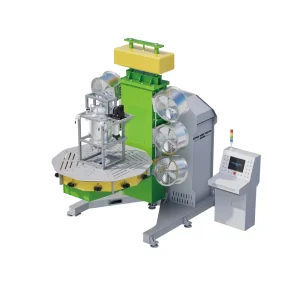
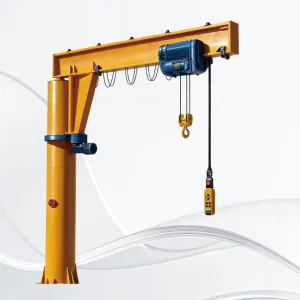
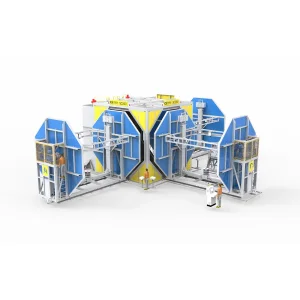
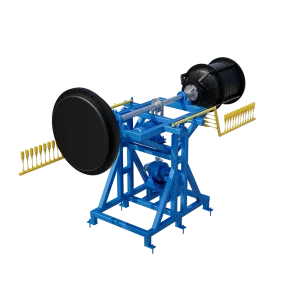
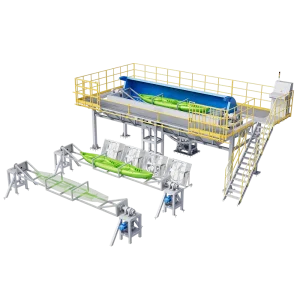
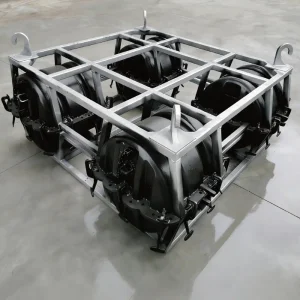
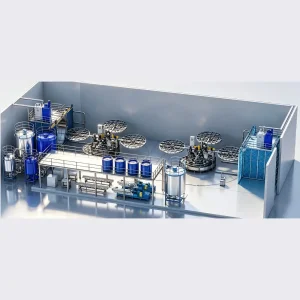
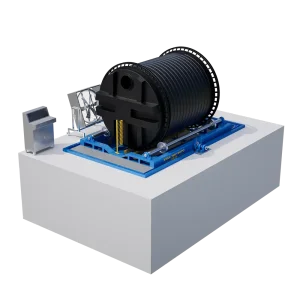
Explore our export-grade, CE-marked rotational molding machinery line-up designed for maximum operational efficiency and thermal performance.
Biaxial rotational moulding (rotomoulding) represents the pinnacle of thermoplastic processing for manufacturing stress-free, seamless, double-walled, or single-piece hollow polymer structures. As global industrial demand escalates for ultra-durable chemical storage vessels, automotive ducting, marine vessels, and agricultural apparatus, procurement teams are shifting focus toward high-precision machinery backed by rigorous international compliance standards—most notably, CE Certification (Conformité Européenne).
In modern plastics processing, biaxial rotation requires simultaneous dual-axis motion (major/primary axis perpendicular to minor/secondary axis) driven by independent variable-frequency motors (VFD). This ensures isotropic polymer deposition along complex internal mold contours. Obtaining a verified CE mark for biaxial rotomoulding machinery requires stringent adherence to European Safety Directives:
Mandating strict mechanical safety controls, dual-circuit emergency stops, interlocked oven access barriers, and risk assessments for multi-axis kinetic systems carrying payloads up to 5,000 kg.
Ensuring complete electrical system safety, enclosure protection ratings (IP54/IP65), short-circuit immunity, and thermal isolation of high-voltage PLC control cabinets operating near heating ovens.
Guaranteeing Electromagnetic Compatibility so high-frequency drive motors and digital wireless temperature sensors operate cleanly without field interference in modern smart factory environments.
The global rotational molding equipment market is undergoing a seismic transition driven by carbon reduction targets, rising energy costs in Western economies, and an imperative demand for fully automated Industry 4.0 production cells. Modern manufacturing plants are moving away from legacy open-flame systems toward high-efficiency enclosed hot-air recirculation ovens and eco-friendly electric/heat-exchanger solutions.
Traditional rotomoulding relied heavily on operator intuition to determine cycle completion. Contemporary CE-marked biaxial systems utilize wireless, internal air temperature (TPAT) monitoring directly inside the rotating mold cavity. By calculating real-time resin melt phases (Inflection Point 1 through Powder Laydown, Fusion Point 2, and Peak Internal Air Temperature - PIAT), the control PLC adjusts burner firing rates and fan displacement dynamically. This eliminates warpage, pinholes, and thermal degradation while reducing overall cycle duration by 15% to 22%.
Maintaining an exact kinetic ratio between the major arm axis (e.g., 1 to 10 RPM) and minor plate axis (e.g., 1.5 to 15 RPM) is critical for geometric uniformities. Premium exporters now utilize absolute encoder feedback with digital servo motors instead of standard asynchronous induction drives. This guarantees sub-decimal RPM precision, enabling predictable material distribution in high-aspect-ratio parts such as diesel fuel tanks, underground septic systems, and complex kayak hulls.
In regions enforcing stringent localized air quality and industrial carbon tariffs (such as Europe and North America), electric-heating rotomoulding machines are capturing substantial market share. Utilizing high-density ceramic or infrared heating elements coupled with forced air turbulence, modern electric units offer continuous thermal transfer efficiency exceeding 94%, completely bypassing gas combustion venting requirements.
To optimize capital expenditure (CAPEX) and floor space utilization, global buyers favor modular machine architectures. Shuttle systems with independent heating, cooling, and loading/unloading stations allow simultaneous processing of different mold geometries and polymer formulations (e.g., LLDPE, HDPE, Cross-linked PE, and PP) on adjacent arms without thermal cross-contamination.
For enterprise procurement officers and plant managers, evaluating a prospective CE Certification Biaxial Rotomoulding Quote requires evaluating parameters far beyond initial machine acquisition price. Total Cost of Ownership over a 10-to-15-year operational lifecycle is dominated by thermal fuel consumption, cycle efficiency, maintenance downtime, and mold longevity.
| Evaluation Parameter | Legacy Open-Flame Systems | Standard Non-Certified Biaxial | Ningbo StarWay CE Certified Biaxial System |
|---|---|---|---|
| Thermal Insulation | Uninsulated / Ambient exposure | 50-80mm mineral wool | 150mm High-Density Rock Wool + Double-Skin Steel Shield |
| Energy Efficiency (Gas/Elec) | Very Low (< 35% utilization) | Moderate (~ 60% utilization) | Ultra-High (> 85% Thermal Heat Capture) |
| CE Safety Compliance | None / Non-compliant | Partial / Self-Declared without Notified Body testing | Full 3rd-Party CE Certified (Machinery, LVD, EMC Directives) |
| Rotation Ratio Precision | Mechanical chain-gear ratio (Fixed) | Basic VFD (± 0.5 RPM fluctuation) | Dual Servo / Absolute Encoder Closed-Loop (± 0.05 RPM) |
| Estimated TCO Payback | High long-term operating cost | 36 - 48 Months | 14 - 22 Months (via 30%+ energy savings & fast cycles) |
Headquartered in the industrial engineering hub of Ningbo, China, Ningbo StarWay Roto Co., Ltd. (established in 2009) represents the forefront of modern rotational molding machine tool manufacturing. Operating across a sprawling 20-acre production campus with an engineering core of over 40 Senior R&D specialists, StarWay Roto seamlessly integrates raw material procurement, precision CNC machining, electrical assembly, and rigorous international quality testing.
Direct innovation in oven airflow dynamics, thermal door sealing mechanisms, self-balancing arm kinetics, and rapid cooling air-water mist systems.
From 5-axis CNC aluminum mold milling to heavy steel frame stress-relieving heat treatment, eliminating reliance on third-party sub-contractors.
Proven track record of delivering turnkey plants to over 40 countries, complete with overseas technician commissioning, remote augmented-reality support, and rapid spare parts dispatch.
The inherent versatility of CE Biaxial Rotomoulding machines enables industrial manufacturers to process diverse polyethylene resins (LLDPE, HDPE, XLPE) and specialty polymers (Polyamide-PA6/PA12, Polypropylene) into high-performance hollow structures:
Continuous production of multi-layer anti-bacterial water tanks (up to 30,000 Liters capacity), underground septic tanks, and chemical dosing vessels demanding chemical resistance and wall-thickness integrity.
Seamless rotomoulding of heavy-duty double-skin yacht hulls, marine buoys, floating docks, and fish transport containers designed to withstand severe ocean impacts and UV radiation.
Fabrication of complex geometric components including automatic livestock feeders, liquid fertilizer spray tanks, tractor engine ducts, and insulated cold-chain logistics containers.
When requesting a commercial quote from a international exporter, providing precise technical boundary conditions streamlines engineering feedback and guarantees an accurate machine design proposal. A standard Biaxial Rotomoulding Quotation package encompasses several core engineering modules:
Technical guidance for engineers, procurement directors, and plant managers evaluating rotomoulding machinery acquisitions.
Browse additional specialized equipment, rock and roll systems, precision steel molds, and automated feeding systems.
Consult with our senior engineering team to receive customized CE-certified machinery layouts, 3D mold CAD assessments, and comprehensive commercial quotations tailored to your operational needs.
Request Customized Biaxial Machinery Quotation