
Direct access to primary export-grade machinery and molds optimized for tropical climate operations, energy efficiency, and high-volume output across Greater Bangkok factories.
As the primary economic engine of Thailand and the broader ASEAN region, the Greater Bangkok Metropolitan Area—extending into the Eastern Economic Corridor (EEC) including Chonburi, Rayong, and Chachoengsao—is experiencing an unprecedented surge in demand for hollow plastic products.
Rotational molding (rotomolding) has evolved into a vital manufacturing process for local industries due to its unique capability to produce stress-free, seamless, double-walled, and highly durable plastic products. The specific climate, geography, and industrial layout of Bangkok create specialized requirements for rotational molding tooling and machinery:
Bangkok's rapid urbanization and environmental conditions demand UV-stabilized, multi-layered polyethylene water storage tanks, underground septic systems, and municipal drainage units ranging from 500L to 25,000L.
With Thailand being a global exporter of seafood, agriculture, and processed foods, Bangkok-based logistics hubs require polyurethane (PU) insulated fish boxes, insulated transport tubs, and heavy-duty plastic pallets.
Serving the Gulf of Thailand's shipping and marine tourism sectors, local producers demand precision molds for marine docks, floating pontoons, navigation buoys, and commercial kayak hulls.
To maintain competitiveness, manufacturers operating within industrial estates such as Bangpoo, Amata City, and WHA Eastern Seaboard are increasingly sourcing custom rotational molds and advanced equipment directly from specialized Chinese OEM/ODM suppliers. China’s rotomolding manufacturing sector offers an unbeatable combination of rapid tooling turnaround, CAD/CAM engineering depth, high-grade casting alloys, and cost efficiencies that significantly reduce initial capital expenditure (CAPEX).
Procurement directors and factory operational managers in Bangkok face strict pressures to balance mold durability, cycle time efficiency, and initial tooling investments. Sourcing directly from top-tier Chinese rotomolding toolmakers delivers distinct technical and financial dividends:
Leading Chinese manufacturers utilize modern 3D mold flow modeling software to simulate material distribution, thermal heat dissipation, and plastic shrinkage before a single block of metal is cut. This guarantees optimal wall thickness uniformity (minimizing thin spots at internal radii) and prevents mold warping under high oven temperatures.
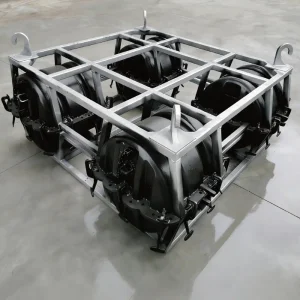
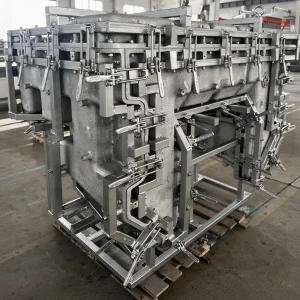
Using high-purity A356 aluminum alloy for cast molds and heavy-duty Q235/Q345 structural steel for fabricated sheet metal molds ensures robust structural integrity. Advanced vacuum casting processes minimize pinholes, micro-porosity, and air pockets, guaranteeing ultra-smooth surface finishes and maximum thermal conductivity.
Under the Regional Comprehensive Economic Partnership (RCEP), importing rotational molds and machinery from China to Thailand qualifies for preferential tariff treatment (Form E). Combined with sea freight lanes from Ningbo or Shanghai to Laem Chabang or Bangkok Port (Klong Toey), customs clearance and delivery can be completed in as little as 7 to 10 days.
Chinese suppliers do not merely ship raw molds; they deliver integrated industrial solutions—including CAD product optimization, prototype sampling, CNC tooling, Teflon surface coating, frame spider construction, and machine integration testing prior to dispatch.
Selecting the correct mold architecture is pivotal for maximizing operational yield in Bangkok’s high-humidity manufacturing plants. Below is an engineering comparison evaluating technical parameters for cast aluminum versus fabricated steel rotomolding tools:
| Evaluation Parameter | CNC Machined / Cast Aluminum Moulds | Fabricated Sheet Steel Moulds |
|---|---|---|
| Primary Applications | Complex geometries, complex textures, automotive components, outdoor toys, cooler boxes, medical cases. | Large hollow vessels, cylindrical water storage tanks (500L-20,000L), septic tanks, simple geometric containers. |
| Thermal Conductivity | High (~160-200 W/m·K) – rapid heating and cooling cycles, reducing overall cycle time by 15-25%. | Moderate (~45-50 W/m·K) – requires longer oven dwell time, but highly resilient for large volumes. |
| Surface Finishing Options | Mirror polish, high-density sandblasting, intricate wood/leather grain textures, industrial Teflon (PTFE) coating. | Standard mechanical polish, basic shot blasting, chemical resistant interior coatings. |
| Dimensional Tolerance | Extremely tight (±0.05mm to ±0.2mm) via 5-axis CNC machining centers. | Standard industrial tolerance (±0.5mm to ±1.5mm) depending on plate thickness and welding distortion control. |
| Tooling Weight | Lower density – lighter structural weight reduces stress on rotomolding machine arm and spindle bearings. | Heavier construction – requires high-capacity arm load specs on shuttle or carousel machines. |
| Tooling Cost & Longevity | Higher initial capital investment; lifespan exceeds 15,000+ heat cycles without dimensional shift. | Highly cost-effective for large scale products; easily repaired or modified locally via welding. |
Engineering Tip for Bangkok Plant Managers: For products exposed to severe outdoor sunlight or chemical storage across Thailand, cast aluminum molds treated with high-grade multi-layer Teflon coatings prevent polymer sticking, reduce de-molding scrap rates, and maintain structural consistency over extended production runs.
Chinese manufacturers provide tailored machinery and tooling suites optimized for specific industrial sectors thriving across Central and Eastern Thailand:
Solutions include heavy-duty shuttle rotomolding machines paired with segmented steel molds designed to produce multi-layer PE tanks. These tanks feature anti-microbial inner linings, foam core insulation layers, and UV-resistant outer skins, perfect for Bangkok's high ambient temperature environment.
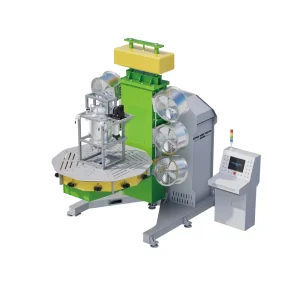
Utilizing long-bed Rock and Roll machines or multi-arm carousel rotomolding systems, Chinese tooling suppliers build high-durability aluminum split molds with pneumatic pin pullers. This enables rapid extraction of seamless, leak-proof floating dock units and recreational kayaks.
Supplying cross-linked polyethylene (XLPE) and high-density poly (HDPE) compatible molds capable of withstanding heavy chemical densities (up to 1.9 specific gravity) for agrochemical storage, pesticide sprayers, and industrial acid holding tanks.
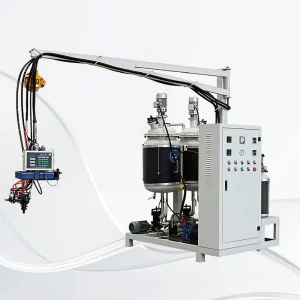
Integrating precision aluminum molds with high-pressure PU foaming machines to manufacture roto-molded ice boxes and insulated medical transport containers capable of maintaining ice retention for up to 7–10 days.
Get direct technical consultations, 3D mold CAD reviews, and competitive door-to-door quotations tailored to your operational requirements in Thailand.
Send Inquiry NowCross-border procurement demands rigorous quality standards, reliable logistics, and dependable after-sales services. Leading Chinese export vendors provide comprehensive protection for Thai enterprise buyers:
All rotomolding machinery is built to European CE safety standards, equipped with Siemens PLC automation, Schneider electrical components, and burner safety shutoff systems (using Maxon/Weishaupt gas burners). Molds are manufactured under strict ISO 9001:2015 quality control management.
Full documentation support including Form E certificates, Certificate of Origin, Bill of Lading, detailed packing lists, and HS Code harmonization (e.g., HS 8480.71 for plastic injection/rotational molds) to ensure fast tax-free entry through Thai customs.
Dispatched technical field engineers provide on-site machine assembly, mold mounting, thermal calibration, and operator training at Bangkok facilities, backed by 24/7 video diagnostics and fast spare parts delivery.
The global rotational molding sector is undergoing rapid technological transformation. Manufacturers in Bangkok upgrading their plant capabilities can leverage several cutting-edge innovations coming out of China’s advanced engineering hubs:
Modern molds are equipped with wireless IAT sensors embedded directly into the mold core. By measuring the real-time internal resin melting state, the control system dynamically adjusts oven cycle times, ending over-cooking or under-curing defects and cutting energy consumption by up to 18%.
Transitioning away from open-flame or gas-fired convection ovens, next-generation electric heating rotomolding machines utilize direct heating elements built directly into the mold body. This dramatically reduces carbon footprint, minimizes heat dissipation into the factory environment, and complies with Thailand's green energy initiatives.
Integration of heavy-payload articulated robotic arms for automated resin powder weighing, loading, mold opening, and finished part extraction reduces manual labor costs and improves workplace safety in high-temperature environments.
Custom mold internal geometries optimized for processing high-percentage Post-Consumer Recycled (PCR) polyethylenes and bio-based plastics without sacrificing structural impact strength or surface aesthetics.
Typical manufacturing lead time for standard cast aluminum or fabricated steel molds ranges from 25 to 40 calendar days, depending on geometry complexity and surface finishing requirements. Shipping from Ningbo or Shanghai port to Laem Chabang/Bangkok Port takes approximately 7 to 10 days via direct ocean freight, making the total lead time approximately 35 to 50 days from final 3D CAD approval.
Under the China-ASEAN Free Trade Area (ACFTA) and RCEP agreements, issuing an official Form E Certificate of Origin allows Thai importers to receive 0% or significantly reduced import duty rates on industrial plastic machinery (HS 8477) and molds (HS 8480) when clearing customs through Thai customs authorities.
For large vertical or horizontal water tanks (1,000L to 15,000L+), fabricated sheet steel molds are generally recommended due to lower tooling cost, fast fabrication time, and high durability for simple cylindrical shapes. However, if your tank requires intricate threads, embedded logo graphics, complex rib reinforcements, or small production sizes (<500L), cast aluminum molds deliver far superior surface finish, tighter tolerances, and faster heating cycle speeds.
Leading suppliers offer full turnkey support, including sending qualified commissioning engineers to your factory in Bangkok, Chonburi, or Rayong for machine installation, electrical hookup guidance, mold mounting, and technician training. Additionally, comprehensive English operation manuals, electrical schematics, and 24/7 online technical support are provided.
Yes, our rotomolding machinery and molds are engineered to operate seamlessly with standard LLDPE, HDPE, and XLPE resins supplied by major regional petrochemical producers such as PTT Global Chemical (GC), SCG Chemicals, as well as imported global resin grades.
Explore our broader product lineup including specialized rock and roll machines, single-screw pulverizers/pelletizers, thermal gasifiers, shuttle systems, testing equipment, and lab-scale machines.
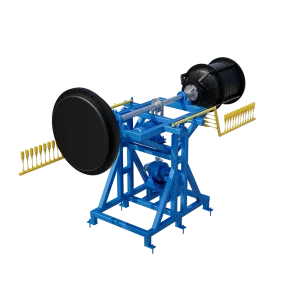
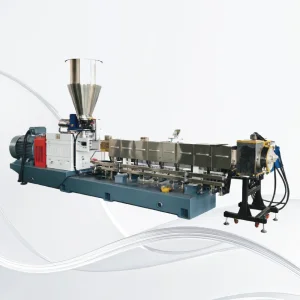
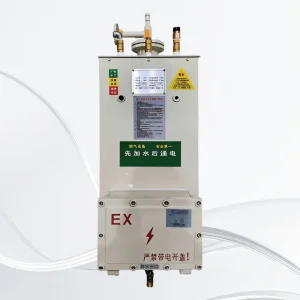
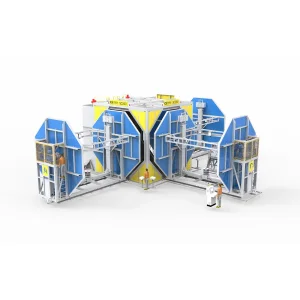
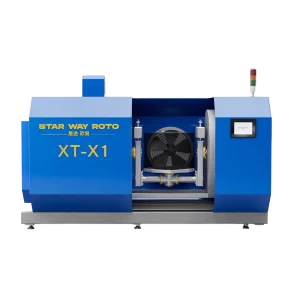
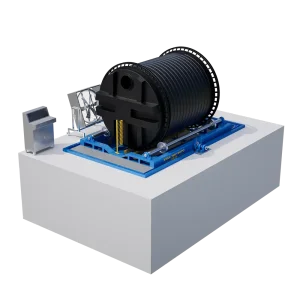
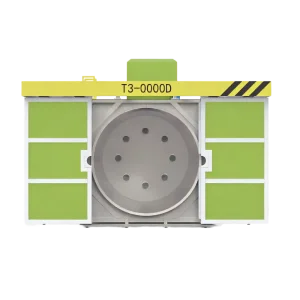
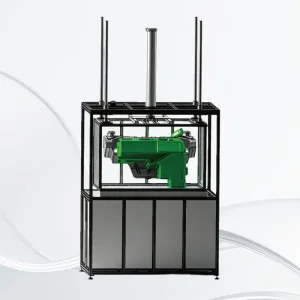
Partner with China’s leading rotomolding mould manufacturers & machine engineering specialists serving Bangkok and all industrial provinces across Thailand.