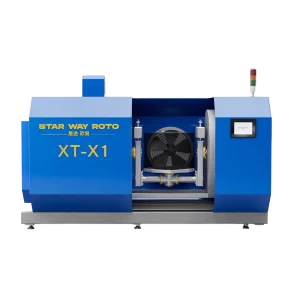
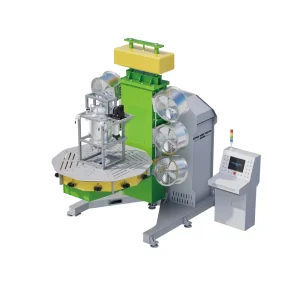
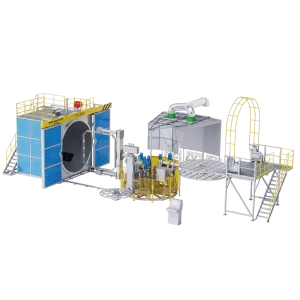
Explore our top-tier rotational molding machinery, auxiliary processing systems, and custom precision tooling engineered by Ningbo StarWay Roto Co., Ltd.
A comprehensive evaluation of the global rotational molding sector, structural polymer demand, and cost performance dynamics in modern manufacturing.
Rotational molding (Rotomolding) has evolved from a niche plastics processing method into a critical global manufacturing pillar. Unlike high-pressure injection molding or blow molding, rotational molding is a thermomechanical process utilizing atmospheric pressure and biaxial rotation to yield seamless, hollow, stress-free plastic products with exceptionally uniform wall thickness distribution.
Headquartered in Ningbo, China, Ningbo StarWay Roto Co., Ltd. (founded in 2009) stands at the forefront of this industrial transformation. Operating a 20-acre production plant backed by a engineering team—where 80% hold bachelor’s degrees and bring over a decade of hands-on experience—StarWay Roto delivers end-to-end solutions ranging from high-precision CNC aluminum molds to fully automated Carousel, Shuttle, and Rock & Roll rotomolding equipment.
Because rotomolding relies on gravity rather than high-pressure hydraulic injection, the polymer resin fuses gradually against heated mold walls. This completely eliminates residual internal stress, granting rotomolded parts superior environmental stress-crack resistance (ESCR) and unmatched impact durability in extreme thermal environments.
Rotomolding tooling operates at low internal pressure, enabling lightweight cast aluminum or fabricated sheet metal molds that cost 60% to 80% less than equivalent injection tooling.
Modern machines allow sequential resin drops. Create rigid outer structural walls, micro-cellular foam insulation cores, and chemical-resistant interior liners in a single thermal cycle.
Seamlessly encapsulate threaded brass/stainless steel bushings, mounting brackets, and reinforcing ribs directly into the plastic matrix without secondary operations.
Selecting the appropriate machine configuration directly influences thermal efficiency, footprint utilization, labor costs, and overall throughput.
| Machine Architecture | Ideal Production Volume | Primary Product Applications | Thermal / Heating Method | Key Operational Benefit |
|---|---|---|---|---|
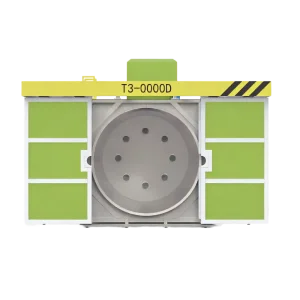
| Carousel Rotomolding Machine | High Volume / Continuous | Tanks, Coolers, Traffic Cones, Toys | Direct Gas / Eco Electric Oven | Independent arm station timing for maximum efficiency. |
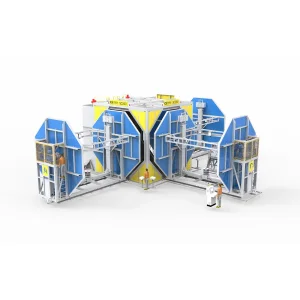
| Shuttle Rotomolding Machine | Medium to High / Flexible | Water Tanks, Kayaks, Industrial Drums | Enclosed Forced Hot Air / Electric | Flexible mould changes on individual arms without stopping system. |
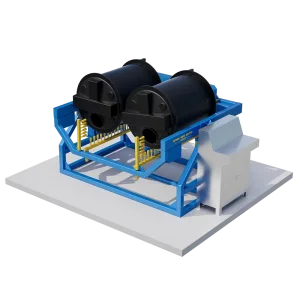
| Rock & Roll Machine | Low to Medium / Heavy Custom | Massive Storage Tanks, Septic Systems | Open Flame / Compact Oven | Minimal floor space, ideal for long cylindrical hollow bodies. |
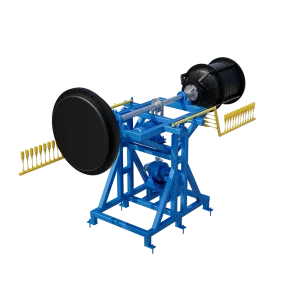
| Lab & R&D Test Rig | Prototyping / Material Test | Resin Sampling (PE, PP, PA12) | Intelligent Micro-Controlled Oven | Precise dynamic temperature profiling for polymer research. |
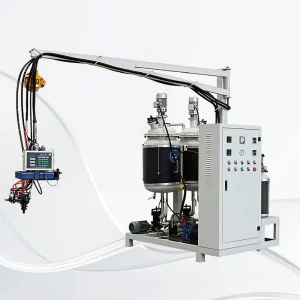
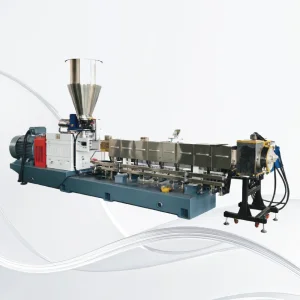
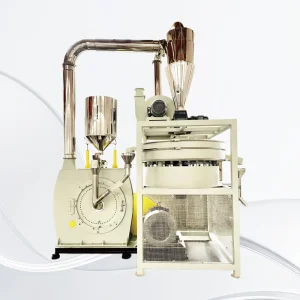
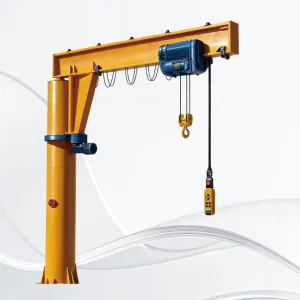
A high-performance rotomolding plant relies heavily on integrated auxiliary machinery. StarWay Roto engineers deliver complete upstream and downstream processing lines:
Understanding the variables driving production quotes: Tooling CapEx vs Unit OpEx trade-offs for industrial buyers.
Calculated based on tooling type: CNC Machined Cast Aluminum (smooth surface, intricate geometry, zero porosity) vs Fabricated Steel Molds (ideal for large, simple shapes like water tanks).
Raw material selection heavily impacts price per kg. Standard options include LLDPE (C4, C6, C8 hexene/octene grades), Cross-linked PE (XLPE), Polypropylene (PP), and Polyamide (PA12) with UV-8 stabilizers.
Heating times range from 12 to 25 minutes depending on wall thickness (e.g., 4mm vs 12mm). StarWay Roto's electric oven designs lower energy consumption per cycle by up to 22%.
To receive an accurate engineering quote within 24 hours, ensure your request includes: 3D CAD models (STEP/IGES format), target unit weight, specified resin grade, flame retardancy requirements (UL94-V0/V2), annual batch volume, and post-assembly foam density specifications.
How Industry 4.0 digitisation, direct electric heating, and sustainable bio-polymers are reshaping the future of rotational molding.
Integrating wireless infrared internal air temperature (IAT) sensors directly inside spinning molds allows real-time monitoring of polymer melting, bubble removal, and crystallization stages.
Moving away from traditional fossil-fuel gas ovens. StarWay Roto's electric heating systems utilize direct mold surface conduction, slashing carbon emissions and lowering energy losses by 35%.
StarWay Roto R&D labs have optimized heating profiles for bio-based polyethylene (PLA/Bio-PE blends) and 100% recycled PCR materials without compromising impact strength.
From municipal environmental management to aerospace and outdoor sports, rotomolded plastic components serve critical demanding infrastructure worldwide.
Seamless vertical tanks, underground septic vessels, and chemical dosing containers ranging from 500L to 50,000L. Corrosion-proof, stress-crack resistant, and UV-stabilized for 20+ year outdoor deployment.
Heavy-duty insulated coolers and vaccine transportation boxes featuring double-wall LLDPE skins filled with PU foam. Retains ice for up to 7–10 days under tropical conditions.
One-piece kayaks, pontoon boat hulls, navigation buoys, and floating docks. Completely leak-proof hollow structures designed for extreme wave impact and saltwater resistance.
Diesel fuel tanks, tractor roof cabs, pesticide sprayers, and livestock watering troughs. Offers high structural rigidity while drastically cutting vehicle overall weight.
Shock-proof, IP67 waterproof transit cases engineered for sensitive electronics, medical gear, and field equipment, surviving drops from over 3 meters.
Municipal waste containers, road safety barriers, inspection chambers, and mobile toilet cabins engineered for long-term weather resistance and high impact toughness.
Expert answers regarding rotomolding processing parameters, material characteristics, mold lead times, and quote requests.
Due to the atmospheric nature of rotational molding, wall thickness tolerances typically range within ±10% to ±15%. However, using StarWay Roto's advanced CNC cast aluminum tooling and precision arm rotation speeds, thickness uniformity can be tightly controlled within ±5% across critical load-bearing areas.
Rotomolding tooling operates without high internal pressure, allowing molds to be constructed from lightweight cast aluminum or fabricated sheet metal. As a result, rotomolding tooling cost is roughly 20% to 30% of an injection mold's cost, making it ideal for medium-to-large components and production volumes ranging from 250 to 10,000 units per year.
Linear Low-Density Polyethylene (LLDPE) accounts for approximately 85% of all rotomolded products worldwide due to its excellent flowability and toughness. Other suitable polymers include High-Density Polyethylene (HDPE), Cross-linked PE (XLPE), Polypropylene (PP), Polyamide (PA6 / PA12), and Polyvinyl Chloride (PVC plastisols).
A minimum draft angle of 1° to 1.5° is recommended for simple geometric shapes. For textured surfaces, deep ribs, or inside female cores, draft angles should be increased to 3° to 5° to ensure clean part release without surface drag marks.
Precision CNC cast aluminum molds typically require 35 to 45 days from 3D CAD approval to sample delivery. Standard shuttle or carousel rotomolding machinery builds average 60 to 75 days, including full factory test assembly and CE electrical compliance validation.
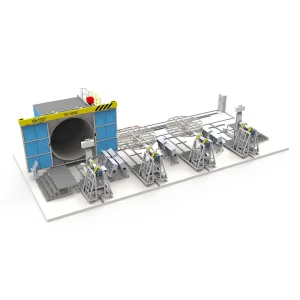
High-precision laboratory test machines, automated square shuttle configurations, carousel rotomolders, and material handling systems.