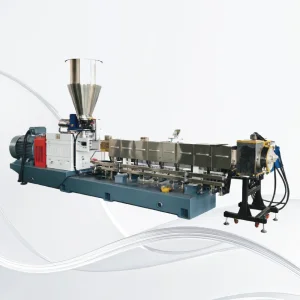
Understanding the core mechanics of zero-stress hollow plastic manufacturing, polymer science, and turnkey export operations from China's premier rotomolding powerhouse.
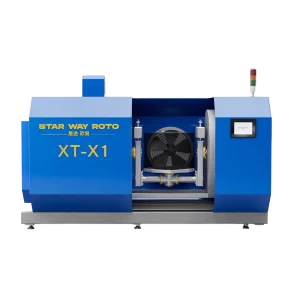
Founded in 2009, Ningbo StarWay Roto Co., Ltd. has grown into a globally trusted, vertically integrated OEM/ODM manufacturer specializing in high-capacity rotomolding machinery, precision CNC steel and cast aluminum moulds, and complete turnkey auxiliary production lines. Headquartered in Ningbo, Zhejiang Province—one of China’s central manufacturing and deep-water maritime export hubs—StarWay Roto operates an expansive 20-acre production plant equipped with heavy-duty CNC machining centers, automated welding robotic cells, and high-precision thermal chamber diagnostic rigs.
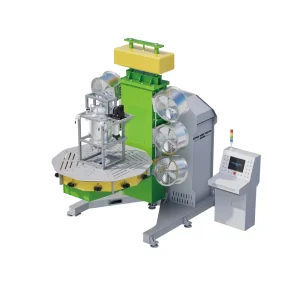
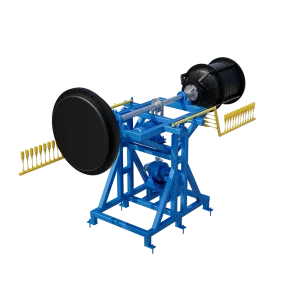
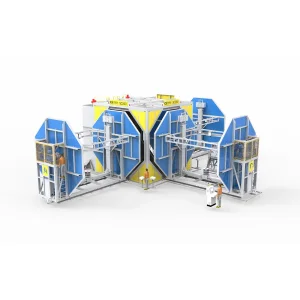
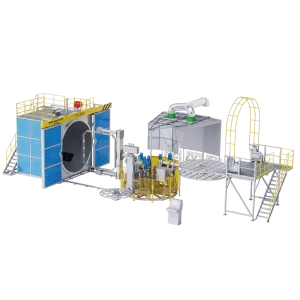
Our core R&D engineering division comprises over 40 senior mechanical and automation engineers, with 80% holding specialized bachelor's degrees and possessing more than a decade of dedicated hands-on experience in thermoplastic rotational processing. From designing complex multi-arm Carousel rotomolding systems to manufacturing massive Rock & Roll machines such as the historic S2-8500 model (recognized among the world's largest rotational molding units), StarWay Roto delivers robust industrial equipment tailored to rigorous global production demands.
Unlike injection or blow molding, rotational molding (rotomolding) relies on zero-shear-stress thermal fusion inside a biaxially rotating hollow mould. Polymer resins (PE, PP, PA) coat the inner mold surfaces uniformly under low atmospheric pressure, creating parts with exceptionally uniform wall thickness, seamless structural strength, superior stress-crack resistance, and zero internal residual strain.
An technical examination of heating dynamics, powder sintering, polymer rheology, and thermal chamber control algorithms essential for high-performance hollow plastic manufacturing.
Achieving flawless wall thickness consistency requires precise control of the major (arm) and minor (plate) rotation axis speed ratios, typically calibrated between 4:1 and 1:4. Computerized PLC variable frequency drives (VFD) ensure smooth speed adjustments to match specific geometric contours, preventing resin pooling in deep recesses.
During heating, micronized polymer powders (35 to 50 mesh size) pass through mechanical adhesion, necking, and bubble dissolution phases. Our intelligent temperature control systems accurately monitor internal air temperature (IAT) curves to guarantee full bubble coalescence without inducing thermal oxidation or polymer degradation.
StarWay Roto machines support multi-drop poly-drop material feeding, creating multi-layer structures consisting of solid UV-stabilized outer skins, micro-cellular polyurethane or PE foam insulating cores, and food-grade virgin inner liners. This yields lightweight structural rigidity and thermal insulation.
Why international buyers, engineering firms, and global brands partner with China’s premier rotomolding machine suppliers to maximize ROI and operational reliability.
Located in Ningbo, StarWay Roto operates within a dense industrial ecosystem providing immediate access to premium steel foundries, aluminum casting facilities, CNC tooling shops, and specialized polymer compounding mills. This reduces lead times for complex custom tooling by up to 40%.
By leveraging advanced domestic manufacturing automation, streamlined assembly procedures, and competitive labor structures, StarWay Roto provides CE-certified, heavy-duty rotomolding lines at a fraction of the capital investment required for Western equipment OEMs.
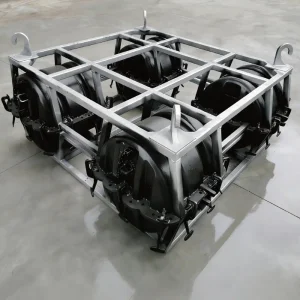
We house multi-axis CNC milling centers capable of fabricating high-grade steel sheet-metal moulds and cast aluminum tooling with tolerances within ±0.1mm. Molds feature polished or textured cavity surfaces, internal cooling channels, and pneumatic ejectors.
From initial product CAD design review, mold flow simulation, dynamic thermal chamber calculation, to installation, operator training, and lifetime spare parts provision, StarWay Roto acts as a total solution provider for industrial operations.
Explore how our versatile Carousel, Shuttle, and Rock & Roll machines empower key manufacturing sectors around the world.
Rotomolded vertical and horizontal polyethylene tanks (ranging from 500 Liters to 50,000+ Liters) deliver seamless, corrosion-resistant storage for potable water, industrial chemicals, liquid fertilizers, and municipal wastewater processing.
Heavy-duty insulated coolers, seafood processing tubs, reusable plastic shipping pallets, and shockproof military transport cases molded with polyurethane foam cores provide temperature retention and structural resistance to impacts.
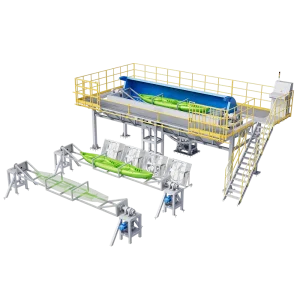
Seamless rotomolded kayak hulls, jet-ski floating docks, marine navigation buoys, yacht packing cases, and aquaculture fish cages engineered to withstand continuous UV radiation, saltwater exposure, and severe hydrodynamic stresses.
UV-stabilized livestock water troughs, automated calf hutch shelters, chemical sprayer tanks, and grain hoppers designed for tough farm conditions, chemical resistance, and rapid steam cleaning.
Complex hollow automotive parts including diesel fuel tanks, DEF (AdBlue) reservoirs, heavy machinery air intake ducts, tractor roof canopies, and fender assemblies featuring molded-in brass or stainless steel threaded inserts.
Road barrier safety cones, surrounding perimeter security fences, commercial recycling containers, outdoor playground slides, and decorative light posts produced with weatherable pigments and impact-resistant polymers.
How automation, energy-efficient electric ovens, and AI-assisted thermal sensing are transforming global rotational molding factories.
As global carbon regulations tighten and energy costs fluctuate, advanced rotomolding facilities are increasingly adopting OEM Electric Heating Rotomolding Ovens. Powered by digital pulse-width modulation (PWM) heating elements and high-velocity air recirculating blowers, electric heating eliminates combustion by-products, reduces factory thermal emissions, and ensures a cleaner heating chamber environment. This technology improves energy efficiency by up to 25% while maintaining precise heat delivery across long molding cycles.
Modern rotomolding operations rely on real-time wireless telemetry (such as in-mold TP-LOGGER systems) attached directly to the rotating mold assembly. These sensors transmit live internal mold air temperature data wirelessly to the master PLC control unit. By tracking the exact resin melting, peak internal air temperature (PIAT), and crystallization cooling phases, machine controllers can dynamically adjust burner output or arm speeds, reducing cycle times and eliminating trial-and-error scrap rates.
A systematic guide for international procurement managers, factory directors, and engineering leads evaluating rotational molding equipment suppliers.
Verify that the equipment supplier holds comprehensive international certifications including European CE safety compliance (Directive 2006/42/EC for Machinery), ISO 9001:2015 Quality Management Systems, and standardized electrical safety compliance (Siemens/Schneider PLC integration).
Evaluate structural machine elements including rock-and-roll arm load-bearing capacities, heavy-duty gearboxes, oven wall rockwool insulation density (minimum 150mm thickness), and burner fuel efficiency (Riello/Weishaupt industrial burner setups).
Insist on pre-shipment FAT procedures including full dry-run machine testing, 24-hour continuous oven thermal mapping, arm rotational speed calibration, ultrasonic mold wall thickness testing, and live dry-cycle automation validation before packing.
Expert answers to key technical, commercial, and operational questions from international buyers and plant engineers.