Engineered for extreme dimensional repeatability, optimized thermal cycle curves, and industrial scalability. Explore our flagship heavy-duty rotomolding platforms and testing equipment.
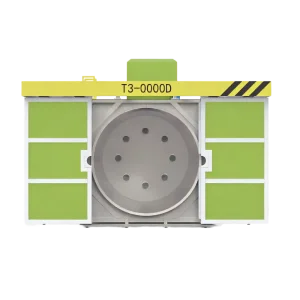
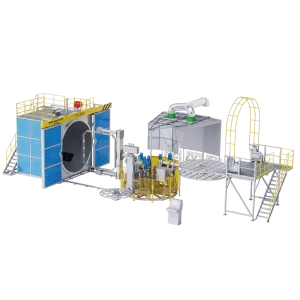
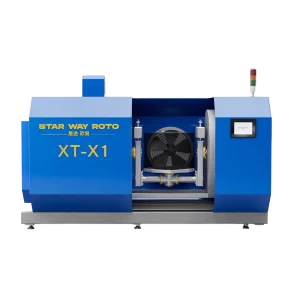
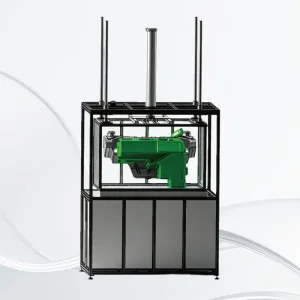
Modern rotational molding has advanced from a low-tolerance, empirical craft into an analytical, thermodynamics-driven engineering discipline. High-precision tooling dictates cycle efficiency, polymer consolidation, and part longevity.
Transitioning from traditional wood-pattern casting to direct milling of wrought 6061-T6 and 7075 aircraft-grade aluminum billet. This eliminates micro-porosity defects, accelerates thermal conductivity by up to 34%, and yields parting line tolerances within ±0.05mm for zero-flash industrial parts.
Computational fluid dynamics (CFD) and finite element heat transfer modeling analyze bidirectional heating vectors. Internal air temperature (PIAT) prediction algorithms optimize localized wall thicknesses, preventing resin degradation and ensuring uniform resin sintering across complex geometry.
Implementation of permanent ceramic fluoropolymer matrix coatings and micro-porous sintered metallic breathing vents. These innovations eliminate internal vacuum collapse during rapid quenching, reduce demolding shear stress, and extend production life cycles beyond 100,000 thermal cycles.
Tier-1 global original equipment manufacturers (OEMs) demand comprehensive lifecycle cost minimization, stringent material qualification standards, and end-to-end design-for-manufacturing (DFM) verification.
Enterprise procurement mandates early engineering convergence. StarWay provides holistic DFM audits covering draft angle optimization (minimum 1.5° for smooth, 3°-5° for textured surfaces), corner radiusing (R/W ratio > 0.6), and anti-warpage kiss-off ribs.
Tooling thermal conductivity profiles must accommodate broad resin matrix chemistries: LLDPE, HDPE, cross-linked XLPE, structural Polyamides (PA6, PA12), Polypropylene (PP), and up to 100% post-consumer recycled (PCR) circular polymers without surface defecting.
High-output carousel and shuttle machines require interchangeable tooling spiders, pneumatic quick-release toggle clamps, and lightweight frame structures to reduce rotational moment of inertia and drive down electric motor amperage consumption.
Full-spectrum inspection documentation featuring coordinate measuring machine (CMM) reports, 3D blue-light optical surface scanning, ultrasonic wall thickness verification, and hydrostatic pressure certification for high-risk chemical storage.
Operating from Ningbo, China's premier industrial molding epicenter, StarWay harnesses a vertically integrated manufacturing infrastructure that bridges raw metallurgy, multi-axis machining, and automated assembly into a resilient global export pipeline.
Digital twin simulation, kinematic center-of-gravity balancing, and thermodynamic convective modeling.
Direct vacuum cast A356 aluminum or certified 6061-T6 forged billet blocks with zero inclusions.
Continuous multi-axis synchronized toolpaths executing sub-micron surface micro-finishing.
Chemical vapor deposition, laser engraving, Teflon fluoropolymer baking, and sintered vent installation.
Real-world production trial run on internal carousel test lines prior to seaworthy international packing.
| Tooling Metallurgy Category | Dimensional Accuracy | Thermal Conductivity | Lead Time (Standard) | Optimal Application Profile |
|---|---|---|---|---|
| CNC Machined Billet Aluminum (6061-T6) | ±0.05 mm | 167 W/m·K (High) | 15 - 25 Days | Automotive fuel/DEF tanks, aerospace ducts, high-precision electronic enclosures. |
| Cast Aluminum Alloy (A356 / AC4C) | ±0.20 mm | 150 W/m·K (Balanced) | 25 - 35 Days | Commercial cooler boxes, complex kayaks, playground systems, large aesthetic bodies. |
| Fabricated Sheet Steel & Stainless (304/316) | ±0.80 mm | 45 W/m·K (Moderate) | 12 - 20 Days | Ultra-large bulk storage tanks (up to 50,000L), agricultural cisterns, septic tanks. |
StarWay rotomolding molds and turnkey production equipment are engineered to withstand extreme mechanical impacts, chemical corrosion, and environmental weathering across mission-critical sectors.
Engineered diesel fuel tanks, DEF/urea tanks, hydraulic oil reservoirs, tractor cabins, and engine air intake snorkels. Designed with integrated molded-in threaded metal inserts, anti-surge internal baffle walls, and multi-layer permeation barriers complying with international EPA and CARB standards.
Cross-linked high-density polyethylene (XLPE) storage tanks, intermediate bulk containers (IBCs), dosing vessels, and double-wall secondary containment tanks. Tooling engineered for high-tonnage wall thickness stability, high hoop-stress resistance, and aggressive chemical inertness against concentrated acids.
Seamless marine navigation buoys, aquaculture fish farming cages, floating pontoon docks, and high-impact rescue boat hulls. Manufactured with proprietary CNC-milled molds ensuring maximum UV stabilization, hydrostatic buoyancy consistency, and zero stress-crack initiation points under dynamic wave impact.
Ultra-thick heavy-duty roto-molded cooler boxes, dry-ice vaccine shipping containers, insulated fish tubs, and food-grade insulated transport totes. Dual-wall cavity molds engineered with balanced thermal shrink allowances for high-density polyurethane (PU) foam injection integration.
Lightweight, aerodynamic agricultural drone pesticide tanks, precision livestock automatic waterers, calf hutches, and fertilizer hopper vessels. Molds optimized for ultra-smooth interior walls preventing chemical sediment buildup and reducing cleaning fluid consumption.
Complex multi-spiral commercial playground slides, outdoor furniture, illuminated LED architectural planters, and high-impact sanitation waste bins. Engineered with high-detail cast aluminum tooling delivering aesthetic textures, vibrant molded-in graphics, and robust vandal-resistant structural strength.
Authoritative technical answers to critical engineering, metallurgical, and supply chain inquiries encountered by international procurement managers and rotomolding project directors.
The decision is driven by geometry, part tolerance requirements, and aesthetic finishing. CNC billet (6061-T6) is superior for high-precision components (automotive fuel tanks, defense enclosures) demanding strict parting line tolerances (±0.05mm) and non-porous mirror polishing. Cast aluminum (A356) is more cost-effective for large, complex, contoured organic shapes (kayaks, playground slides, cooler boxes) where multi-piece foundry casting reduces raw block material waste and machining time.
Rotomolding polyethylenes exhibit shrinkage rates ranging from 2.0% to 3.8% depending on resin density, melt flow index (MFI), and cooling rate. We utilize 3D parametric mold-scaling algorithms combined with historical empirical data across hundreds of production batches. Asymmetric shrinkage across varying wall thicknesses is compensated through differential thermal wall modeling within the CAD tooling stage.
During the oven cycle, expanding air creates internal pressure; during rapid water/air quenching, contracting air induces a vacuum. Inadequate venting causes blown pinholes, wall blowout, or severe part warpage. We engineer vent cross-sections based on internal volume (typically 13mm diameter per cubic meter of volume) and deploy breathable PTFE/sintered bronze vents that permit gas flow while repelling molten resin entry.
Our cast aluminum molds undergo artificial T6 precipitation heat treatment, eliminating residual casting stress. Mold wall thicknesses are tightly controlled at 8mm - 12mm to ensure balanced thermal conductivity without localized hot spots. Structural backing frames are fabricated with high-rigidity structural steel and floating mounting brackets to allow natural thermal expansion without inducing parting-line distortion.
Every exported mold includes a complete Quality Assurance Dossier: 3D CMM optical coordinate scanning reports, parting line seal test results, metal chemical composition analysis, ultrasonic wall thickness verification, and first-article trial inspection reports (FAIR) with high-definition video documentation of the sample rotomolding trial run in our Ningbo testing facility.
We provide comprehensive end-to-end engineering support including factory layout design, electrical/gas pipeline engineering, machine-to-mold spider integration, on-site commissioning by experienced senior field engineers, and comprehensive operator training covering cycle optimization, oven pyrometry calibration, and preventive maintenance protocols.
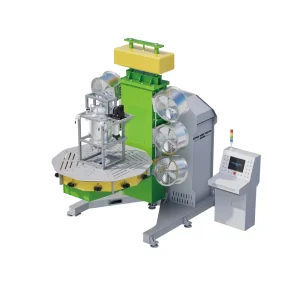
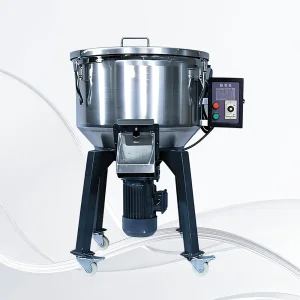
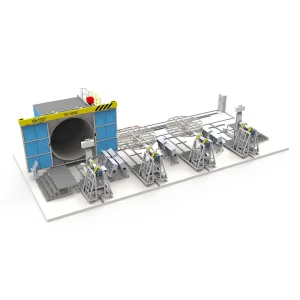
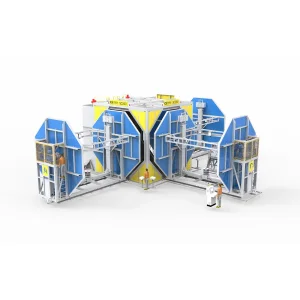
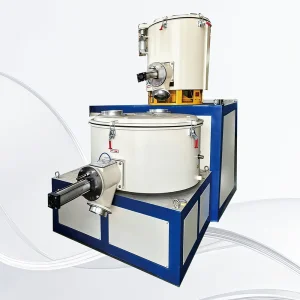
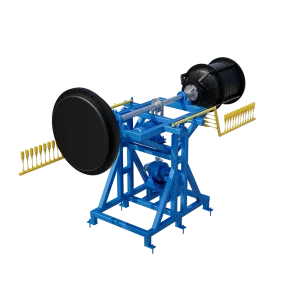
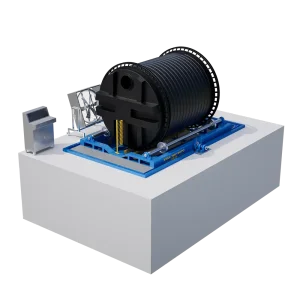
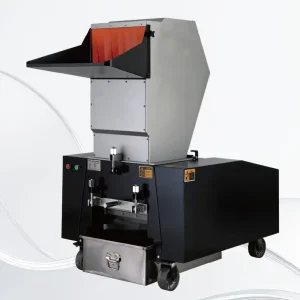
Maximize shop-floor productivity with our high-efficiency rock-and-roll systems, square shuttle machines, and precision high-speed industrial pulverizers and mixers.