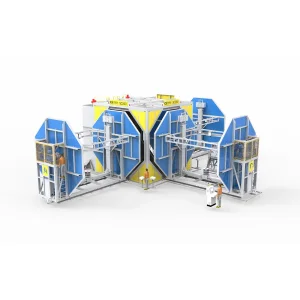
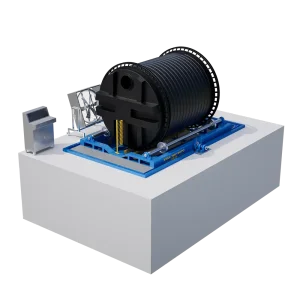
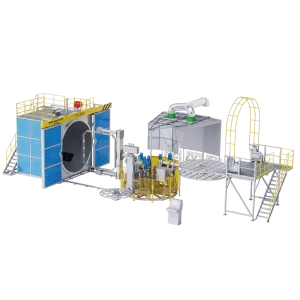
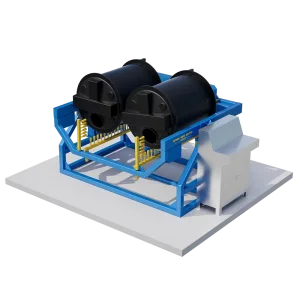
Explore our top-tier CE-certified rotational molding machines, lab testing systems, and high-efficiency peripheral units engineered for maximum thermal efficiency and regulatory safety.
In modern plastic polymer processing, procurement directors and industrial engineers face a complex ecosystem when evaluating CE Certification Rotomolding Process Quotes & Service options. The European Conformity (CE) marking is not merely a regulatory rubber stamp; it is a holistic safety, environmental, and operational standard encompassing the EU Machinery Directive 2006/42/EC, the Low Voltage Directive (LVD) 2014/35/EU, and the Electromagnetic Compatibility (EMC) Directive 2014/30/EU.
Rotational molding (Rotomolding) is a thermal-process manufacturing technique optimized for producing seamless, stress-free, hollow plastic products ranging from small medical containers to massive 30,000-liter chemical storage tanks. When acquiring rotomolding machinery, obtaining transparent quotes supported by verifiable engineering credentials ensures long-term operational expenditure (OPEX) efficiency, reduced thermal loss, and complete compliance with global workplace safety standards.
The worldwide rotational molding equipment market has undergone a dramatic transformation over the past decade. Traditionally reliant on open-flame systems and manual labor, the global market in 2026 demands automated carousel machines, precision-guided shuttle systems, and energy-efficient electric heating ovens.
European and North American manufacturers are aggressively transitioning away from direct open-flame gas burners toward zero-emission electric heating ovens and enclosed hot-air recirculation systems. CE-certified electric heating rotomolding machines cut thermal waste by up to 35% while providing uniform heat flux density across complex mold cavities.
The shift from standard Linear Low-Density Polyethylene (LLDPE) to High-Density Polyethylene (HDPE), Cross-linked Polyethylene (XLPE), Polypropylene (PP), and Polyamide (PA6/PA12) requires ultra-precise internal air temperature (IAT) tracking and multi-stage cooling technology integrated into machine PLCs.
Smart rotomolding facilities demand real-time diagnostics, wireless mold temperature telemetry, automated resin loading systems, and robotic demolding arms to minimize human error and eliminate part deformation during the critical cooling phase.
Understanding the engineering dynamics behind CE-compliant rotomolding machinery is crucial for accurate quote comparison. Unlike injection molding or blow molding which rely on high shear and hydrostatic pressure, rotational molding is a zero-pressure, biaxial thermal fusion process governed by four critical stages:
| Process Stage | Thermodynamic & Mechanical Action | Critical Control Variables | CE Safety & Quality Standard |
|---|---|---|---|
| 1. Resin Powder Charging | Micronized polymer powder (typically 35 Mesh / 500 microns) is metered into a precision aluminum or steel mold tool. | Bulk density, powder flowability, exact weight distribution (+/- 0.2%). | EN ISO 12100 safety interlocking on mold clamps and arm locking pins. |
| 2. Heating & Biaxial Fusion | Mold rotates along major (primary) and minor (secondary) axes inside the oven (speeds ranging from 1:4 to 1:8 ratio). Powder adheres to hot mold wall, melts, and coalesces into a homogeneous layer. | Internal Air Temperature (IAT peak 180°C - 230°C), thermal flux density, heating arm drive torque. | CE EN 60204-1 electrical safety, redundant thermal cutoffs, burner safety valves (DIN EN 746-2). |
| 3. Controlled Cooling | Mold transitions to cooling chamber using forced air velocity, water mist atomization, or dual-phase liquid cooling. Polymer crystallizes smoothly without warpage. | Cooling rate (°C/min), internal mold pressure neutralization, shrinkage control. | Enclosed fan guarding, anti-drip condensation traps, safe moisture extraction systems. |
| 4. Demolding & Inspection | Oven arm indexes to loading/unloading station. Mold clamps are disengaged and the finished hollow part is removed. | Part wall thickness ultrasonic verification, stress crack resistance testing (ESCR). | Pneumatic auxiliary ejector guards, ergonomic hoist integration, zero-pinch point design. |
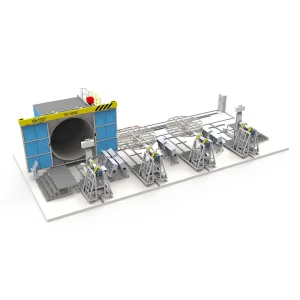
StarWayRoto delivers tailor-made rotomolding production lines designed around client-specific throughput targets, plant dimensions, and energy constraints.
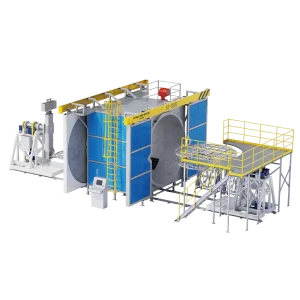
Heavy-duty Rock & Roll and Large Shuttle systems optimized for manufacturing vertical/horizontal chemical storage tanks up to 30,000L. Features steel-lined plastic tank capability and specialized multi-layer co-extrusion tooling.
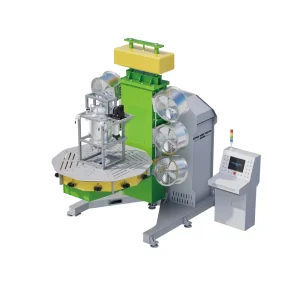
High-speed Carousel machines (Independent Arm & Fixed Arm configurations) built for producing adblue tanks, tractor roofs, air ducts, insulated cold-chain boxes, and complex automotive ducting.
Precision tooling and machinery solutions for kayak manufacturing, marine dock floats, buoy markers, and heavy-duty outdoor playground structures using UV-stabilized PE formulations.
Deploying industrial machinery across different geographic markets demands strict compliance with regional electrical codes, structural safety guidelines, and environmental directives. StarWayRoto configures every CE-certified rotomolding system to align with localized operational demands:
Fully compliant with CE standards including Machinery Directive 2006/42/EC, Siemens PLC S7-1500 safety controllers, dual-circuit emergency stops, safety light curtains, and burner systems conforming to EN 746-2. ATEX compliance options available for hazardous polymer dust environments.
Customized panel configurations built to UL 508A electrical safety standards, NFPA 86 oven safety guidelines, and CSA compliance for Canadian installations, featuring Allen-Bradley control hardware and NEMA-rated enclosures.
Engineered for extreme ambient operating environments (up to 50°C factory temperatures). Features heavy-duty cabinet air conditioning, tropicalized electric drive motors, and reinforced cooling bay airflow dynamics.
When evaluating a Rotomolding Process Quote, price alone can be misleading. Buyers must calculate Total Cost of Ownership (TCO) over a 10-year machine lifespan. Below is an engineering breakdown of what a comprehensive CE-certified rotomolding quotation should include:
Includes machine frame, oven chamber insulation density (high-density ceramic fiber), burner/heating element power rating, straight/crank arms, drive gearboxes, and PLC control system hardware.
Evaluates energy consumption per kilogram of processed resin (kWh/kg or gas m³/kg). High-efficiency CE ovens reduce thermal leakage, slashing monthly utility costs significantly.
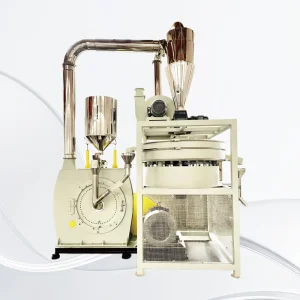
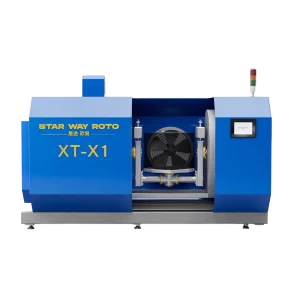
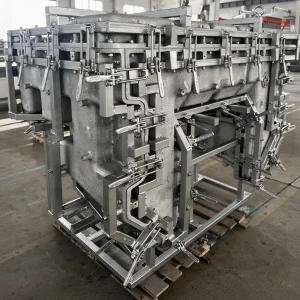
Includes cast aluminum or fabricated CNC sheet steel molds, plastic pulverizers/grinders, chiller units, and resin loading hoppers required for an operational turnkey factory floor.
Explore our complete range of specialized rotomolding tooling, cast aluminum molds, rock and roll machines, and multi-station carousel setups.
The next decade will re-define rotational molding through intelligent sensors, green heating media, and advanced digital twin integration. StarWayRoto is pioneering several R&D breakthroughs aligned with international sustainability goals:
Eliminating guesswork by integrating wireless thermodynamic sensors directly inside the mold cavity. Real-time Internal Air Temperature (IAT) curves feed data back into PLC systems to trigger cooling precisely when pinhole bubble dissolution finishes.
Moving beyond traditional convection ovens toward targeted infrared (IR) and magnetic induction mold heating. This reduces heating cycle times by up to 45% while achieving near-zero idle energy consumption.
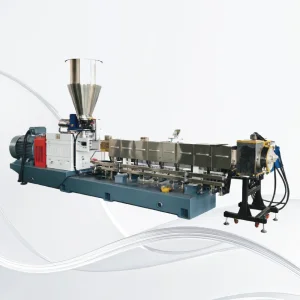
Machine optimization for 100% Post-Consumer Recycled (PCR) resin processing. Advanced melt pulverizers and single-screw pelletizing units (such as our ODM LDPE 160-150 series) ensure consistent melt flow index (MFI) for recycled materials.
Below are authoritative technical answers to common questions raised by industrial buyers, plant engineers, and compliance officers evaluating rotomolding quotes: