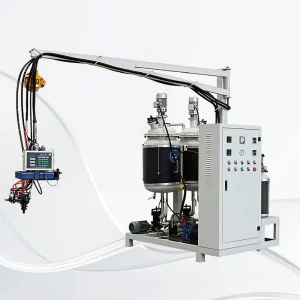
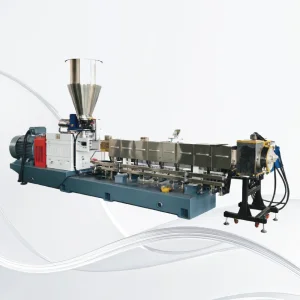
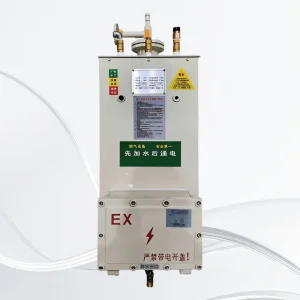
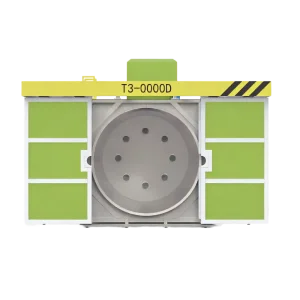
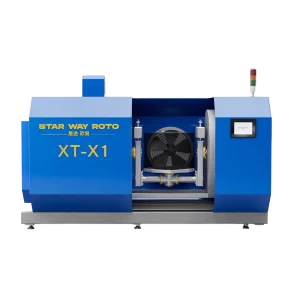
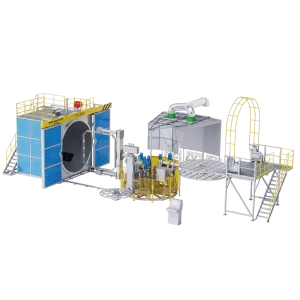
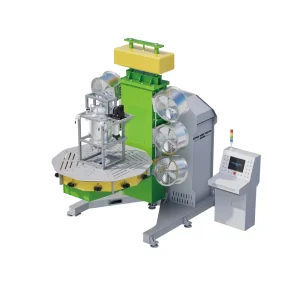
Precision machinery, custom moulds, and auxiliary processing units designed for high-capacity hollow plastic tank fabrication.
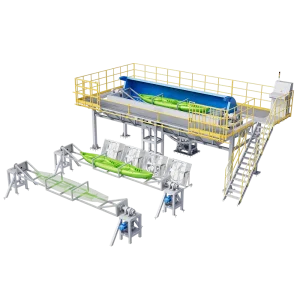
An end-to-end evaluation of industrial polyethylene tank adoption, global market volume, and manufacturing transformation.
The global market for rotationally molded (roto-molded) plastic storage tanks is undergoing a fundamental structural transition. Historically dominated by conventional welded steel, fiberglass-reinforced plastic (FRP), and basic blow-molded vessels, modern chemical processing, agricultural storage, and municipal water management infrastructure are aggressively migrating toward advanced rotationally molded polyethylene (PE) solutions.
Unlike injection molding or blow molding—which introduce residual molecular hoop stress due to high-pressure extrusion and rapid thermal quenching—rotational molding utilizes low-pressure, biaxial rotation within a heated oven mold cavity. This process yields stress-free, seamless, wall-uniform hollow structures with superior impact strength, environmental stress crack resistance (ESCR), and extreme chemical resistance.
Rotomolded tanks formulated with Linear Low-Density Polyethylene (LLDPE) and Cross-linked Polyethylene (XLPE) exhibit near-total immunity to aggressive oxidation, inorganic acids (Hydrochloric, Sulfuric), caustic alkalis, and industrial wastewater, eliminating internal lining degradation.
Zero structural seams or fusion joints mean zero physical stress-concentration points. Rotomolded tanks eliminate vertical weld seam splitting risks under dynamic hydraulic head pressure, securing long-term containment integrity.
Tooling capital expenditures for rotational molds (cast aluminum or fabricated steel) range from 25% to 40% of the cost of high-pressure injection or blow molding dies, allowing economical customization of tank geometries, capacities, and wall thicknesses.
Transparent, data-backed commercial pricing metrics calculated per gallon capacity, resin grade, and wall thickness specification.
Determining the actual procurement quote for an industrial rotomolded tank requires evaluating four core engineering variables: Resin Polymer Type (LLDPE vs. XLPE vs. HDPE), Specific Gravity Rating (1.35 SG to 1.90 SG based on chemical density), Tank Capacity/Geometry (Vertical, Horizontal, Cone Bottom, Double Wall), and Wall Thickness Reinforcing Ribs.
| Tank Capacity (Gallons / Liters) | Resin Formulation | Specific Gravity (SG) | Estimated Wall Thickness | Wholesale Price Range (USD) | OEM Custom Mold Tooling |
|---|---|---|---|---|---|
| 500 Gal (~1,900 L) Vertical | FDA LLDPE (C8 Octene) | 1.5 SG (Water/Ag) | 0.250" (6.35 mm) | $380 – $650 | $4,500 – $7,500 |
| 1,000 Gal (~3,800 L) Vertical | Heavy-Duty LLDPE / UV-24 | 1.5 SG (Standard) | 0.312" (7.92 mm) | $750 – $1,250 | $8,000 – $13,500 |
| 2,500 Gal (~9,450 L) Cone Bottom | High-Density PE (HDPE) | 1.65 SG (Fertilizer) | 0.375" (9.52 mm) | $1,850 – $2,900 | $15,000 – $22,000 |
| 5,000 Gal (~18,900 L) Heavy Chemical | Cross-linked PE (XLPE) | 1.90 SG (Severe Acid) | 0.500" (12.70 mm) | $4,200 – $6,800 | $28,000 – $42,000 |
| 10,000 Gal (~37,850 L) Industrial Tank | Premium XLPE / Dual Wall | 1.90 SG (Secondary Cont.) | 0.625" (15.87 mm) | $9,500 – $14,800 | $55,000 – $85,000 |
| 15,000 Gal (~56,750 L) Mega Vessel | High-Impact Structural XLPE | 1.90 SG (Industrial) | 0.750" (19.05 mm) | $16,000 – $24,500 | $95,000 – $140,000 |
TCO = CapEx (Tank + Fitting Tooling) + OpEx (Installation + UV Aging Factor) + Risk (Failure Probability × Containment Cost).
Understanding resin molecular structures, melt flow indices, thermal cycles, and structural hoop stress optimization.
Formulated from hexene (C6) or octene (C8) copolymer resins, LLDPE offers exceptional flexibility, high impact resilience at cold temperatures (-40°C), and FDA/NSF 61 compliance for potable water storage. Ideal for water, agricultural chemicals, and food-grade applications.
Incorporates a chemical catalyst (such as peroxide) that creates covalent bonds between polymer chains during the thermal rotational cycle. This 3D molecular mesh yields extreme resistance to stress cracking, puncture, elevated temperatures (up to 65°C continuous), and corrosive acids.
Utilized for high-temperature fluid containment (up to 95°C) and superior flexural modulus stiffness. Specialty compounding adds conductive carbon black for explosion-proof ATEX chemical environments or anti-microbial silver ion additives for long-term water purifiers.
Precisely weighed polymer resin micronized powder (35 mesh / 500 micron) is loaded into the CNC cast aluminum mold cavity.
Mold rotates on major and minor axes inside a 250°C–320°C oven. Resin melts uniformly, coating inner mold walls seamlessly without pressure.
Air forced-fan and atomized water mist cool the rotating mold gradually to prevent internal warping, shrink voiding, or crystallization stress.
The tank is demolded, ultrasonically measured for wall thickness uniformity, hydrostatically pressure tested, and trimmed with CNC accuracy.
Engineered to perform in extreme climate zones, harsh chemical plants, and remote agricultural regions globally.
Heavy-duty liquid fertilizer transport tanks (UAN32, Liquid Lime) designed with high specific gravity ratings (1.7 SG to 1.9 SG) featuring baffled internal structures to suppress dynamic fluid surge during field transportation on rugged terrain.
Vertical potable water storage tanks engineered with UV-24 compound stabilization and anti-algae black/green inner barrier layers. Engineered to withstand continuous solar radiation and ambient temperature swings exceeding +55°C without structural softening.
Double-walled (encapsulated containment) rotomolded vessels complying with European EN 13341 environmental safety standards. Designed for automatic leak detection monitoring in hazardous solvent and acid storage facilities.
How Industry 4.0 digitizes rotational molding machinery, material recipes, and tank structural longevity.
Next-generation rotomolding equipment utilizes thermal imaging sensors inside the rotating oven. AI algorithms dynamically adjust burner intensities across independent heating zones, eliminating localized thin spots and achieving ±0.5mm wall precision across complex tank fittings.
Smart plastic tanks now integrate wireless piezoresistive micro-sensors directly within the Polyethylene wall matrix during molding. These sensors stream real-time hoop stress, hydrostatic load, and thermal expansion data to industrial SCADA systems.
Pioneering closed-loop material formulations blend up to 40% Post-Consumer Recycled (PCR) rotomolding resins with virgin LLDPE via reactive compounding, reducing net carbon footprint by 32% while retaining ASTM D1998 structural compliance.
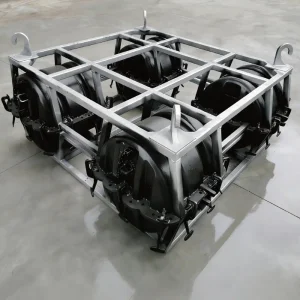
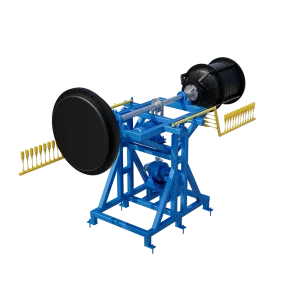
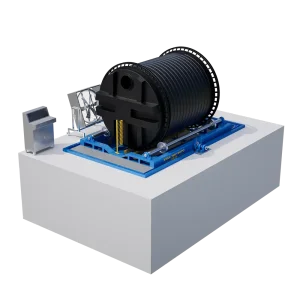
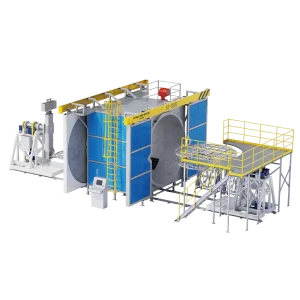
Explore our factory-direct machinery range, heavy-duty steel moulds, and auxiliary equipment for custom tank manufacturing.
Direct technical answers to common commercial buyer queries based on Google Search Quality Guidelines.
Consult directly with our Senior Rotomolding System Engineers to receive an optimized bill-of-materials, tooling estimate, and competitive pricelist customized for your industrial facility.
Contact Engineering Team