
Explore our flagship ODM/OEM electric rotomolding machinery, rock-and-roll systems, and high-durability steel molds engineered for global industrial buyers.
A comprehensive analysis of market dynamics, polymer rheology, thermal efficiency, and the shift toward precision CNC mold manufacturing.
Rotational molding (Rotomolding) has evolved from a niche plastics processing method into a multi-billion-dollar global industry powering sectors from automotive and aerospace to agriculture, marine logistics, and medical sanitation. Unlike injection molding or blow molding, rotational molding operates as a stress-free process: powdered thermoplastic resin (most commonly Linear Low-Density Polyethylene - LLDPE, High-Density Polyethylene - HDPE, Cross-linked Polyethylene - XLPE, Polypropylene - PP, and Polyamide/Nylon) is placed into a hollow mold, biaxially rotated inside a heating chamber, fused along the inner mold cavity walls, and cooled to form a seamless, monolithic hollow structure.
At the center of this process is the rotational molding mold (tooling). The mechanical integrity, dimensional stability, thermal conductivity, and surface finish of the final plastic product are direct functions of the mold design. Today's industrial procurement directors face increasing demands for tight tolerances (±0.5mm), fast thermal transfer rates, zero-porosity surface cavities, and automated clamping systems that minimize cycle times. Finding the best rotational molding mold manufacturer & factory is no longer just a purchasing decision—it is a critical strategic advantage in modern global supply chains.
The rate of heat transfer through the mold wall dictates the sintering dynamics of polymer micro-pellets. CNC-machined 6061-T6 aluminum offers up to 4 times the thermal conductivity of cast aluminum (approx. 167 W/m·K vs. 120 W/m·K), drastically reducing oven residence times and preventing resin thermal degradation.
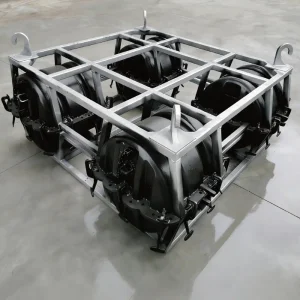
Choosing between Cast Aluminum, CNC Machined Aluminum, and Fabricated Steel Molds based on structural requirements, thermal conductivity, and production volumes.
| Tooling Parameter | Cast Aluminum Molds (A356) | CNC Machined Solid Aluminum (6061-T6) | Fabricated Steel Molds (C45 / Stainless) |
|---|---|---|---|
| Best Application | Complex 3D geometries, decorative textures, kayaks, toys | High-precision technical parts, tight tolerance housings | Large cylindrical tanks, septic systems, simple containers |
| Thermal Conductivity | Moderate (~120 - 140 W/m·K) | Superior (~167 - 190 W/m·K) | Low (~45 - 50 W/m·K) |
| Surface Porosity | Risk of micro-pinholes requiring vacuum impregnating | Zero porosity, solid dense grain structure | Zero porosity, smooth welded metal plates |
| Dimensional Tolerance | ± 1.5mm to ± 2.0mm | ± 0.2mm to ± 0.5mm | ± 2.0mm to ± 4.0mm |
| Tooling Lead Time | 35 - 50 Days (Pattern + Foundry + Machining) | 20 - 30 Days (Direct 5-Axis CAD/CAM CAM Milling) | 15 - 25 Days (Laser Cutting + Welding) |
| Lifecycle Expectancy | 50,000+ Cycles (With proper maintenance) | 100,000+ Cycles | 30,000 - 50,000 Cycles |
Ideal for intricate geometries featuring organic curves, multi-piece complex undercuts, and textured finishes. Excellent for consumer products such as coolers, playground slides, and ergonomic furniture.
Delivers unmatched precision for heavy-duty industrial components, fuel tanks, medical enclosures, and automated robotic parts where seam tight tolerances and uniform thermal expansion are non-negotiable.
Constructed from high-tensile carbon steel or stainless steel plates. Highly cost-effective for large volumetric products such as 10,000L chemical tanks, IBC totes, and agricultural water troughs.
Examining how Chinese OEMs blend full-stack tooling engineering, localized polymer raw materials, and high-speed manufacturing to lower Total Cost of Ownership for international procurement teams.
From raw aluminum ingot casting foundries to advanced 5-axis CNC machining centers, chemical etching shops, and machine assembly lines—everything is consolidated within specialized industrial clusters like Ningbo and Zhejiang. This eliminates cross-border sub-tier transport delays.
Leveraging optimized tooling design workflows, automated metal welding, and competitive engineering labor allows Chinese factories to deliver premium CE-certified rotomolding machines and long-life molds at significantly lower capital expenditure compared to European or North American counterparts.
Utilizing high-speed 3D simulation software (Moldflow thermal distribution modeling), engineering teams convert 2D/3D customer STEP files into physical, pressure-tested molds within 25 days, allowing global brands to launch products ahead of market competitors.
A breakdown of next-generation heating technology, energy efficiency, and specialized automation for large hollow structure manufacturing.
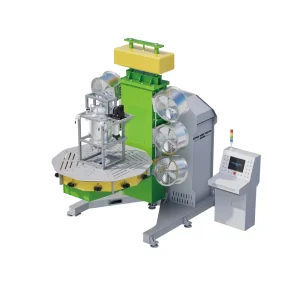
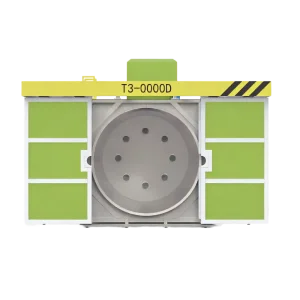
Traditional rotomolding relies heavily on open gas flames or fossil-fuel-fired hot air ovens, resulting in thermal loss, carbon emissions, and uneven heating zones. Next-generation electric heating rotomolding machines utilize embedded ceramic heating modules or infrared radiation units located directly adjacent to the mold surface.
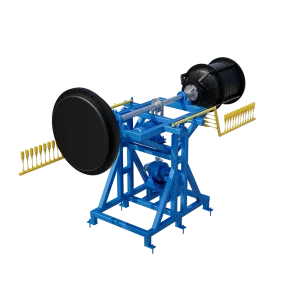
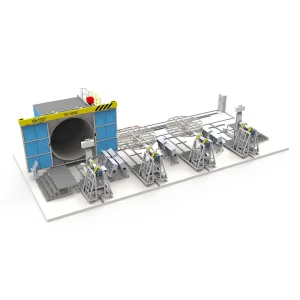
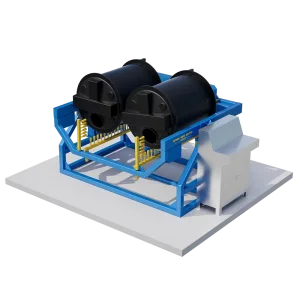
Designed specifically for elongated, cylindrical, or massive hollow items such as boat hulls, luxury yachts, septic tanks, and steel-lined anti-corrosion industrial pipes. Rather than full 360-degree vertical rotation, Rock and Roll machines rotate 360 degrees on the primary axis while rocking 45 degrees vertically.
From municipal water infrastructure to high-end marine crafts and medical cold chains, custom rotomolded products span diverse industries worldwide.
Heavy-duty vertical and horizontal chemical storage tanks, agricultural pesticide sprayers, septic holding tanks, and solar water heater vessels require UV-stabilized LLDPE resins molded with uniform wall thickness to prevent environmental stress cracking (ESCR).
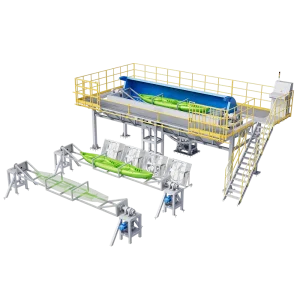
Kayaks, double-walled recreational yachts, jet ski floating docks, ocean buoys, and pontoon floats. Molded using foam-filled sandwich walls (PE shell + Polyurethane inner core) for permanent positive buoyancy and impact resistance against salt water.
Roto-molded extreme-duty cooler boxes, insulated vaccine containers, heavy-duty industrial pallets, and spill containment decks. Rotomolded corners are up to 30% thicker than flat walls, preventing structural failure during drop tests.
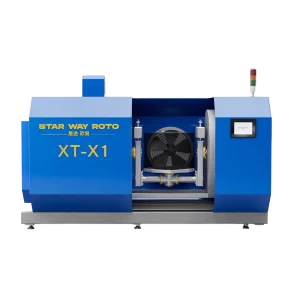
Explore auxiliary testing units, custom steel molds, laboratory-scale rotomolding equipment, and small open flame machines.
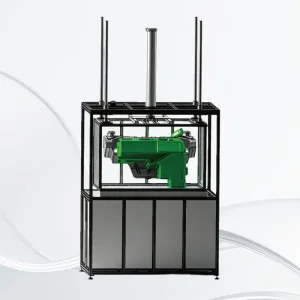
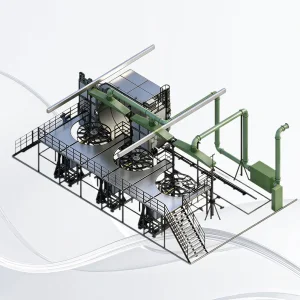
How IoT smart sensors, bio-based thermoplastics, and AI-driven thermal optimization are shaping the next decade of rotomolding manufacturing.
Integration of wireless interior mold air temperature sensors (TPAT) that transmit real-time telemetry to machine PLC controllers. This dynamically regulates oven dwell time, ensuring 100% polymer fusion without thermal degradation.
With environmental regulations mandating circular economy practices, advanced molds are designed with specialized thermal equalization vents to process 100% PCR HDPE micro-pellets and bio-derived polyolefins without warpage.
Replacing manual impact-wrench bolting with high-temp pneumatic quick-release latches. Reduces mold setup and demolding labor time by up to 70%, improving operator safety and thermal cycle throughput.
Expert insights on rotational molding mold selection, shrinkage calculation, supplier evaluation, and maintenance.
Cast aluminum molds are produced by pouring molten aluminum alloy (A356) into sand or plaster patterns, making them suitable for complex organic shapes, curved consumer goods, and textured surfaces. CNC machined molds are milled directly from solid forged aluminum blocks (6061-T6), offering zero porosity, superior thermal conductivity, higher tensile strength, and ultra-precise dimensional tolerances (±0.2mm vs. ±1.5mm for cast aluminum).
Polymer shrinkage depends on the specific resin density and cooling rate. Standard LLDPE typically exhibits a volumetric shrinkage factor between 2.0% and 3.0%, while HDPE ranges from 3.0% to 4.0%. Our CAD engineers scale 3D tool cavities during the 3D surface modeling phase to precisely compensate for thermal contraction during the cooling cycle, guaranteeing that final demolded parts meet nominal drawing specifications.
Electric heating systems offer direct localized energy transfer, eliminating radiant thermal energy loss typical of large gas oven chambers. Key advantages include up to 35% lower energy consumption, zero localized CO2/NOx emissions, silent operation, precise multi-zone digital temperature control, and a compact factory footprint that eliminates exhaust flues and gas piping infrastructure.
Regular mold maintenance involves inspecting parting lines for micro-flashing, cleaning residual polymer build-up using non-abrasive dry ice blasting, re-applying semi-permanent PTFE release coatings, checking Teflon vent tubes for airflow obstructions, and ensuring mechanical clamping bolts or pneumatic locks are calibrated to correct torque levels.
Global procurement teams should verify ISO 9001:2015 Quality Management System certification, CE compliance certification for machinery electrical/mechanical safety (Directives 2006/42/EC and 2014/35/EU), material mill test reports (MTR) for aluminum/steel grades, and Coordinate Measuring Machine (CMM) dimensional inspection reports for custom molds.
Whether you require custom 5-axis CNC aluminum tooling, fabricated steel molds, eco-friendly electric heating rotomolding machinery, or complete turnkey plant design, our engineering team brings 15+ years of OEM/ODM expertise to your project.