Explore high-efficiency rotational molding equipment and custom mold architectures deployed across tier-one manufacturing facilities globally.
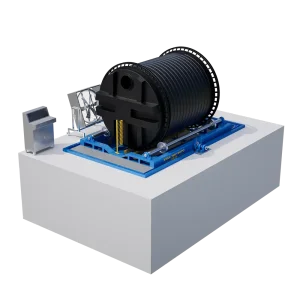
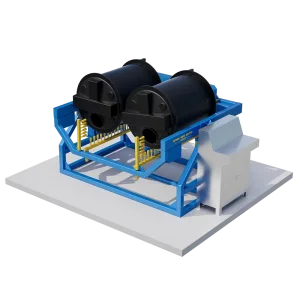
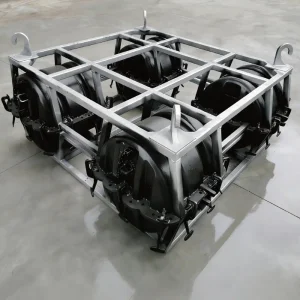
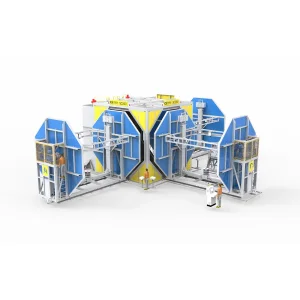
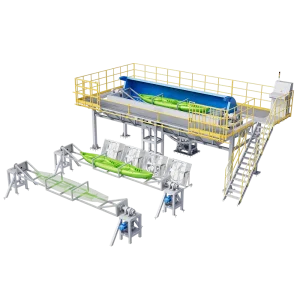
Rotational molding (Rotomoulding) has evolved from an empirical craft into a high-precision, thermodynamics-driven engineering science. As global OEMs demand stress-free, seamless, multi-layer polymer products with micro-level surface aesthetics, the performance of the rotational mold defines the viability of the entire manufacturing lifecycle.
Unlike injection or blow molding where polymer melts are driven by extreme hydraulic or pneumatic pressures, rotational molding is a low-pressure, zero-shear thermal process. The polymer powder—predominantly Linear Low-Density Polyethylene (LLDPE), High-Density Polyethylene (HDPE), Cross-Linked Polyethylene (XLPE), or Polyamide (PA6/PA12)—gradually coats the mold cavity walls solely through biaxial gyration and gravitational flow. Consequently, the mold is not merely a geometric boundary; it is the primary heat exchanger that controls resin sintering, void coalescence, crystallization morphology, and warp-inducing thermal gradients.
Core Engineering Fact: Over 72% of mechanical failures and dimensional rejections in rotational molding originate from uneven thermal conductivity across the mold cavity, poor parting line vacuum integrity, or improper micro-vent engineering rather than polymer resin degradation. Leading Chinese exporters have closed this technological gap by investing heavily in high-speed 5-axis CNC machining, structural casting simulation, and automated robotic finishing.
Selecting the optimal mold architecture requires an engineering trade-off among dimensional tolerance, thermal conductivity, cycle time, production volume, and upfront tooling amortization.
| Tooling Category | Primary Metallurgy | Thermal Conductivity | Dimensional Tolerance | Typical Applications | Tooling Lead Time |
|---|---|---|---|---|---|
| CNC Billet Aluminum Molds | Forged 6061-T6 / 7075 Aircraft Grade Aluminum | Ultra-High (~167 W/m·K) | ±0.05 mm (High Precision) | Automotive fuel tanks, luxury cooler boxes, complex medical cases | 3 – 5 Weeks |
| Cast Aluminum Molds | A356 / AlSi7Mg0.3 Foundry Cast Alloy | High (~150 W/m·K) | ±0.25 mm (Medium-High) | Playground tunnels, marine kayaks, agriculture sprayer tanks | 4 – 6 Weeks |
| Fabricated Sheet Steel Molds | Q235B / 304 Stainless Cold-Rolled Steel Sheet | Moderate (~45 W/m·K) | ±1.0 mm to ±2.0 mm | Mega-volume water storage (5,000L to 50,000L), septic tanks, silos | 2 – 4 Weeks |
Milled directly from monolithic forged 6061-T6 aluminum blocks. Zero subsurface casting porosity ensures flawless surface graining (VDI 12–36), laser-etched brand logos, and integrated multi-channel venting for maximum polymer consolidation.
Produced using precision wood/resin master models and ceramic core casting techniques. Ideal for complex organic curvatures, undercut features, and large hollow structures like seamless touring kayaks and animal husbandry housings.
Engineered using high-precision laser-cut steel plates formed via heavy hydraulic rollers and multi-pass robotic welding. Optimized for high-capacity industrial liquid storage, chemical IBC tanks, and civil wastewater infrastructure.
The industrial concentration of rotomolding tooling manufacturing in China—centered within Ningbo, Taizhou, and the Yangtze River Delta—delivers unprecedented value across the supply chain.
Proximity to raw aluminum refineries, precision foundries, specialized 5-axis machining centers, and surface texturing artisans reduces inter-tier logistical delays by over 60%.
Accelerated tooling development cycles deliver initial production samples (T1) in 25 to 35 calendar days, compared to 12 to 18 weeks typically required by European or North American toolmakers.
Every tool undergoes Moldex3D and ANSYS thermal finite element analysis (FEA) to simulate heat flux density, resin curing profiles, and mold parting line thermal equilibrium before cutting metal.
Pre-shipment verification includes complete trial rotomolding on production machines, 3D laser coordinate measuring machine (CMM) dimensional reports, and thermographic balance validation.
When procuring rotational molds from international exporters, international procurement managers and plastic engineers must audit these five core technical parameters:
Thermal cycling between 20°C and 300°C causes repeated thermal expansion and contraction. Molds engineered with tongue-and-groove parting lines and spring-compensated toggle clamps maintain zero-flash seal tolerances (<0.10 mm) over 15,000 continuous thermal cycles.
Inadequate venting causes internal cavity pressure spikes, leading to bubble trapping, severe pinholing, and warped flat surfaces. Top-tier tools incorporate high-temperature fluoropolymer (PTFE) composite breathable vent tubes sized at 13–15 mm diameter per cubic meter of mold volume.
Cast aluminum molds must maintain a uniform wall thickness of 8 mm to 12 mm across all contours. Variations greater than ±1.5 mm create localized hot spots, leading to uneven resin wall distribution, excessive warpage, and elevated scrap rates.
Rotational molding delivers stress-free, seamless hollow parts across critical global industries, replacing metal weldments and fiber-reinforced plastics.
Seamless, anti-permeation multi-layer diesel fuel tanks, AdBlue/DEF urea reservoirs, engine air intake snorkels, agricultural cabin roofs, and heavy machinery hydraulic tanks adhering to ECE R34 and EPA/CARB emission standards.
Single and tandem recreational kayaks, stand-up paddleboards, unsinkable double-hull pleasure boats, commercial aquaculture floating pontoons, and oceanographic navigational buoys with high UV8/UV20 stabilization.
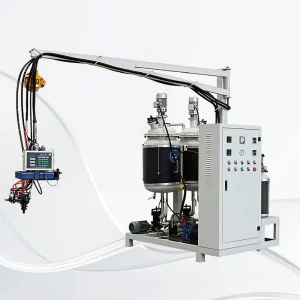
Heavy-duty roto-molded cooler boxes, dry ice vaccine transport pods, ultra-insulated food-grade logistics bins, and seafood shipping crates filled with high-density polyurethane (PU) foaming cores for multi-day passive thermal retention.
From initial concept sketches to global on-site commissioning, our ISO 9001 certified engineering process guarantees zero-defect manufacturing.
In-depth engineering answers to common inquiries from international tooling buyers, quality engineers, and plant managers.
Explore specialized industrial shuttle machines, eco-friendly electric heating ovens, precision steel molds, and polyurethane foaming systems.