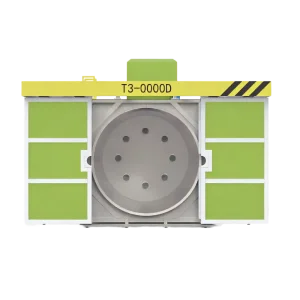
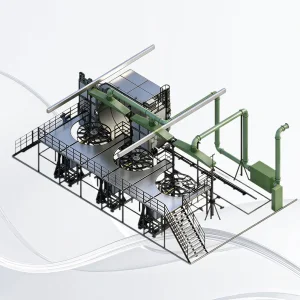
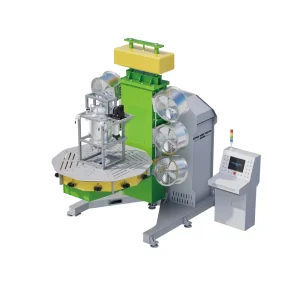
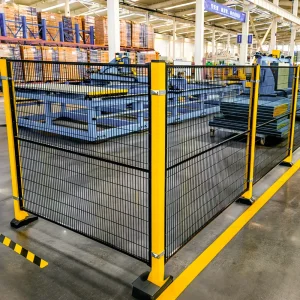
Explore our flagship OEM & ODM rotational molding systems designed for high-capacity industrial applications and complex hollow plastic structures.
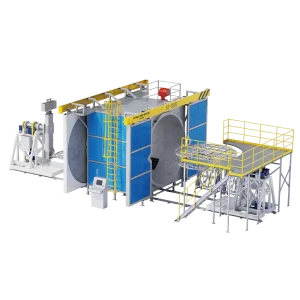
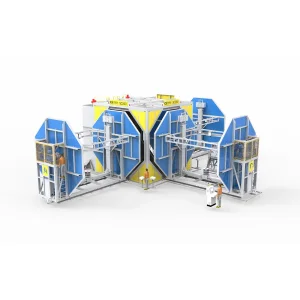
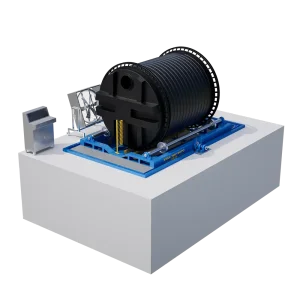
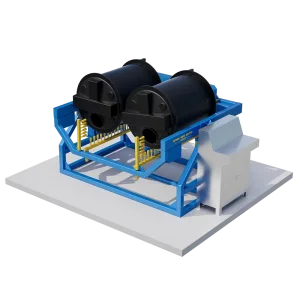
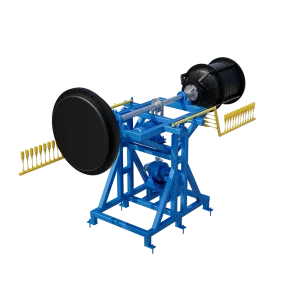
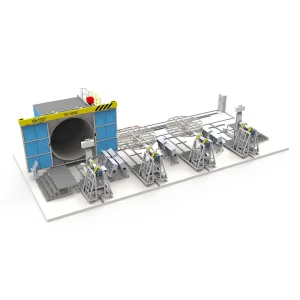
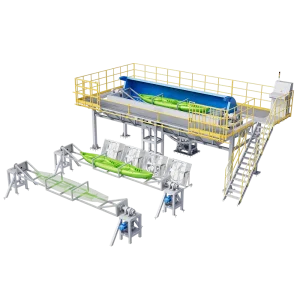
Understanding the transition from traditional labor-intensive tooling to CAD/CAM-integrated CNC cast aluminum and fabricated steel molds in modern rotational molding.
Cast aluminum molds represent the benchmark for producing intricate, high-aesthetic plastic components. Utilizing high-purity A356 aluminum alloys, these molds deliver uniform heat transfer, rapid cycle times, and smooth surface finishes essential for commercial and consumer goods.
Engineered specifically for massive industrial structures—such as 10,000-liter chemical storage tanks, septic systems, and agricultural hoppers. Sheet steel molds offer exceptional structural durability and unmatched cost-efficiency for large hollow products.
Machined directly from solid forged aluminum blocks (e.g., 6061-T6), CNC-milled molds eliminate internal porosity completely. Designed for high-stress aerospace, automotive fuel tanks, and ultra-precise medical housings requiring microscopic tolerances.
A comprehensive comparative standard for procurement executives, plant directors, and supply chain leads evaluating high-performance plastic mold manufacturers.
| Evaluation Criterion | Cast Aluminum Tooling | Fabricated Steel Tooling | CNC Machined Block Aluminum | Impact on Production TCO |
|---|---|---|---|---|
| Initial Capital Expenditure (CapEx) | Moderate to High | Lowest Initial Investment | Highest Initial Investment | Steel molds minimize upfront risk; Cast aluminum delivers best ROI for mid-to-high volumes. |
| Thermal Inertia & Heating Speed | Excellent (High Transfer) | Moderate (Requires longer soak) | Superior Thermal Uniformity | Faster heat transfer cuts gas/electric consumption by up to 25% per cycle. |
| Part Geometry Complexity | Complex curves & textures | Basic to Moderate cylindrical/box shapes | Ultra-complex precision features | Cast & CNC tooling eliminate post-mold machining, cutting labor costs dramatically. |
| Tooling Lifespan & Cycle Resistance | 50,000+ Cycles | 30,000+ Cycles | 100,000+ Cycles | High-grade alloy tooling prevents mold distortion, flash leaks, and costly downtime. |
| Material Compatibility | PE, PP, PA, Crosslinked PE | PE, PP, PVC Plastisols | PE, PP, PA12, Specialized Engineering Resins | Enables processing of high-performance polymers with zero surface degradation. |
Leading plastic mold manufacturers leverage FEA software to simulate thermal expansion, stress distribution, and mechanical clamping forces before physical metal pouring or machining takes place. This guarantees zero part distortion during rapid cooling phases.
Improper mold venting leads to backpressure bubbles, pinholes, and thin spots in molded plastic products. Advanced OEM suppliers engineer dynamic PTFE-lined breathers and mechanical relief valves into the tooling architecture.
Surface aesthetic is defined by chemical etching or direct 5-axis CNC laser texturing inside the mold cavity. From matte industrial finishes to fine leather and micro-grip patterns, tool surface treatment enhances end-product quality.
Rotational plastic molding powers essential infrastructure, marine transportation, heavy logistics, and environmental protection globally.
Production of seamless, double-walled yacht hulls, luxury kayaks, dock floats, and marine buoys using heavy-duty Rock & Roll swing oven rotomolding machinery capable of handling massive mold dimensions up to 10+ meters.
Corrosion-resistant liquid storage tanks, fertilizer sprayers, and pesticide vessels. Utilizing high-density polyethylene (HDPE) and crosslinked polyethylene (XLPE) for zero-leakage chemical containment integrity.
Engineered DEF tanks, air intake ducts, tractor cabs, wheel arches, and EV battery insulation shrouds. Rotomolded components offer high impact resistance and weight reduction over metal fabrications.
Heavy-duty insulated cooler boxes, commercial waste containers, medical transport chests, and playground systems designed to withstand extreme UV exposure, mechanical shock, and harsh weather conditions.
Rigorous quality control protocols, international certifications, and technical on-site engineering services ensure seamless factory integration across 40+ countries.
Every rotomolding machine, shuttle oven, and custom cast aluminum mold manufactured at Ningbo StarWay Roto Co., Ltd. complies with strict European Union CE safety directives and ISO quality management frameworks, guaranteeing electrical safety, structural integrity, and low thermal emissions.
Tooling surfaces and internal mold release coatings are certified food-grade and non-toxic, complying with REACH, RoHS, and U.S. FDA regulations. This allows clients to manufacture potable water tanks, food storage hoppers, and medical containers safely.
Beyond tool design and equipment export, expert senior engineers provide full factory installation, PLC automation calibration, burner optimization, worker training, and 24/7 remote diagnostic assistance across North America, Europe, Asia, and Latin America.
Key technological shifts driving smart manufacturing, zero-carbon footprint production, and advanced multi-layer polymer processing over the next decade.
Detailed answers to critical technical questions asked by plant managers, design engineers, and procurement directors regarding plastic mold manufacturing.
Cast aluminum molds are manufactured by pouring molten A356 aluminum into sand or ceramic patterns created from 3D CAD models. They offer superior heat transfer, making them ideal for complex shapes, intricate surface textures, and high aesthetic details. In contrast, fabricated steel molds are constructed by cutting, bending, and welding heavy sheet steel. They are significantly more economical for large, simple hollow geometries like multi-thousand-liter agricultural and chemical water tanks, where fine surface detail is secondary to structural volume.
Wall thickness uniformity in rotomolding is governed by three critical factors: bi-axial rotation speed ratio, internal mold thermal dynamics, and powder mesh particle size. Microprocessor-controlled rotomolding machines allow operators to fine-tune major arm rotation (typically 4–12 RPM) and minor plate rotation (1–8 RPM) ratios independently. Additionally, strategically designed mold thermal pins, localized air-deflectors, and variable mold wall thickness ensure uniform heat absorption across complex corners and deep recesses.
Traditional rotomolding relies on fixed oven heating times, which are vulnerable to ambient environmental temperature fluctuations and seasonal changes. TPAT (Transmitter for Internal Mold Air Temperature) systems use wireless telemetry sensors placed inside the mold cavity to track the real-time air phase transitions: powder melting, peak internal air temperature (PIAT), and polymer crystallization during cooling. This precise measurement prevents resin under-curing (brittle strength) and over-curing (thermal degradation), cutting scrap rates to near zero.
The vast majority of rotomolded products utilize Linear Low-Density Polyethylene (LLDPE), High-Density Polyethylene (HDPE), and Cross-linked Polyethylene (XLPE). However, modern high-precision aluminum and CNC tooling allows factories to process advanced engineering polymers, including Polypropylene (PP), Polyamides (Nylon 6, Nylon 11, Nylon 12), Polycarbonate (PC), and Fluoropolymers (PVDF) for specialized aerospace, automotive, and military hardware applications.
For custom cast aluminum tooling, the standard lead time ranges from 30 to 45 days, encompassing CAD design, pattern creation, casting, CNC machining, parting line matching, surface texturing, and initial trial testing (samples). Industrial rotomolding machinery (such as Shuttle or Rock & Roll machines) typically requires 45 to 60 days for fabrication, electrical panel wiring, safety testing, and pre-shipment dry runs at the facility.
StarWay Roto employs 5-axis CNC machining centers to mill high-precision tongue-and-groove parting lines directly into cast mold frames. Heavy-duty forged steel clamping latches and alignment dowel pins ensure zero mold shift or flash leakage over tens of thousands of thermal cycles. Furthermore, dynamic thermal stress-relief baking prevents tool warping under continuous oven exposure.
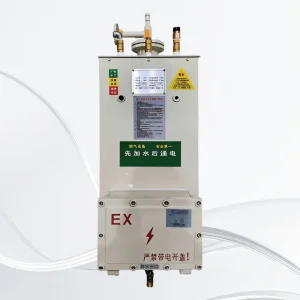
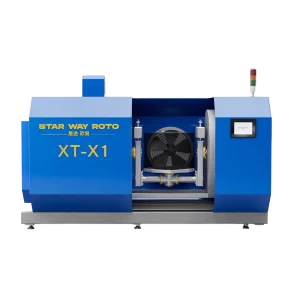
Complete your manufacturing infrastructure with eco-friendly electric ovens, laboratory test units, gasifiers, and specialized plant accessories.