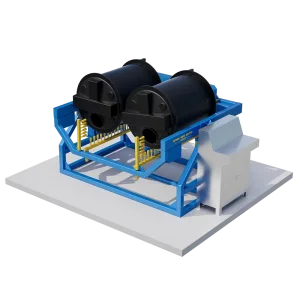
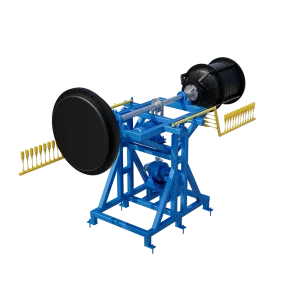
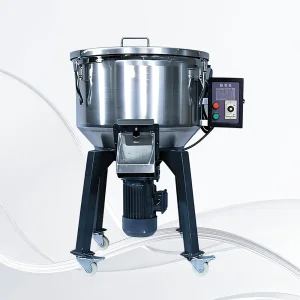
Explore our precision engineered single-screw compounding pelletizers, shuttle systems, and automated rotational molding equipment designed to process high-density, cross-linked, and specialized micro-pellet polyethylenes.
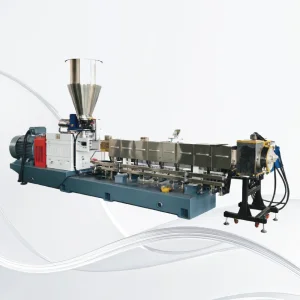
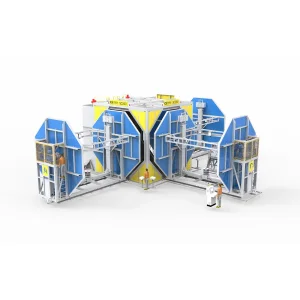
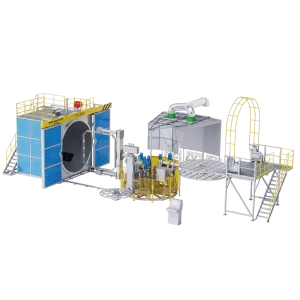
Rotational molding (rotomolding) represents a unique thermoplastic processing technology where hollow, seamless, stress-free products are created without high shear forces or hydraulic pressures. Unlike injection molding or extrusion blow molding—where polymer melts are forced into mold cavities under intense hydrostatic pressures—rotomolding relies entirely on biaxial rotation, gravity-driven powder tumbling, and zero-shear melt coalescence against heated mold walls.
Because the polymer powder must flow freely, sinter completely, and evacuate trapped air bubbles purely through capillary action and thermal diffusivity, the physical chemistry of custom rotational molding materials requires precise polymer design, strict particle sizing, and specialized additive compounding.
Dominating over 85% of the market, LLDPE offers an exceptional compromise between flexural modulus, environmental stress crack resistance (ESCR), and ease of sintering. Metallocene-catalyzed LLDPE (mLLDPE) further narrows molecular weight distribution (NMWD) to deliver superior impact strength at sub-zero temperatures (-40°C).
Engineered with organic peroxides, XLPE forms a three-dimensional chemical network during the oven cycle. This cross-linking reaction provides virtually immune resistance to environmental stress cracking, elevated structural stiffness, and extraordinary impact resistance for hazardous chemical transport and heavy fuel vessels.
Formulated with densities ranging from 0.941 to 0.950 g/cm³, specialized rotomolding HDPE resins yield exceptional stiffness, high heat deflection temperatures (HDT), and minimal permeability, making them vital for industrial IBC totes, agricultural tanks, and structural ducting.
The standard Melt Flow Index (MFI) window for custom rotational molding materials lies strictly between 2.0 and 7.0 g/10 min (ASTM D1238, 190°C/2.16kg). Resins below 2.0 g/10 min fail to flow under gravity leading to pinholes and rough internal surfaces, while resins above 7.0 g/10 min suffer a severe degradation in long-term ESCR and low-temperature impact properties.
Procurement directors and polymer engineers must evaluate several key physical, thermal, and mechanical parameters when specifying custom compounded resins. Below is an authoritative benchmarking matrix comparing key commercial rotomolding grades:
| Resin Classification | Density (g/cm³) | MFI (g/10min) | ARM Impact (-40°C, J) | ESCR Cond. B (10% Igepal, hrs) | Max Temp (°C) | Primary Industrial Use |
|---|---|---|---|---|---|---|
| Standard Metallocene LLDPE | 0.935 – 0.939 | 3.5 – 5.0 | > 90 J | > 1,000 hrs | 65°C | Water Storage, Commercial Kayaks, Coolers |
| High-Rigidity HDPE | 0.942 – 0.948 | 2.2 – 4.0 | > 65 J | > 300 hrs | 85°C | Industrial IBC Containers, Underground Septic |
| Cross-Linked PE (XLPE Class A) | 0.938 – 0.942 | N/A (Reacts) | > 220 J | > 5,000 hrs (Immune) | 95°C | Sulfuric/Hydrochloric Chemical Tanks |
| Conductive ESD Polyethylene | 0.936 – 0.940 | 3.0 – 4.5 | > 55 J | > 500 hrs | 70°C | Explosion-Proof Fuel Cells, Mining Ducts |
| Flame Retardant PP (UL94-V0) | 0.905 – 0.915 | 8.0 – 12.0 | > 25 J | N/A (Olefin base) | 115°C | Enclosed Electrical Housings, Mass Transit |
| Bio-Based LLDPE Compound | 0.933 – 0.936 | 4.0 – 6.0 | > 80 J | > 800 hrs | 60°C | Eco-Friendly Outdoor Furniture, Toys |
Global original equipment manufacturers (OEMs) and brand owners increasingly rely on specialized Chinese compounding facilities—such as Ningbo and Zhejiang regional industrial hubs—for custom rotomolding resin formulations. China’s integrated manufacturing ecosystem offers unmatched competitive leverage across several strategic dimensions:
Direct proximity to world-scale polymer synthesis plants allows Chinese compounders to source high-purity virgin base resins at volume discounts, ensuring consistent supply chain velocity and competitive raw material cost structures.
State-of-the-art turbo-mills with liquid nitrogen cooling enable uniform particle distribution down to 35-50 mesh while eliminating thermal degradation or pre-crosslinking during the grinding phase.
Equipped with computerized spectrophotometers (Delta E < 0.5 tolerances), Chinese factories execute melt-compounded color matching rather than dry-blending, preventing color migration, streaks, and pinholes.
The rotational molding material sector is undergoing rapid technological evolution driven by global sustainability mandates, demands for higher thermal performance, and smart manufacturing integration. Key transformative trends include:
Historically, integrating recycled resin into rotomolding was limited due to severe degradation of ESCR and impact properties. Next-generation custom compounding overcomes this by utilizing twin-screw melt homogenization, combining up to 45% PCR LLDPE with high-performance metallocene virgin resins alongside specialized chain extenders. The resulting compounds maintain over 85% of original impact resistance while fulfilling global carbon-footprint reduction goals.
While 35-mesh powder remains the industry standard, micro-pellets (diameter ~1.0mm) are expanding exponentially. Manufactured directly at the melt extrusion head, micro-pellets deliver superior bulk density (0.45 g/cm³ vs 0.35 g/cm³), eliminate explosive dust hazards in factory floors, drastically improve automated conveying efficiency, and reduce heating cycle times by 10% to 15% due to enhanced thermal contact inside the mold.
To minimize component weight while maximizing structural flexural rigidity, material companies have introduced chemical foaming powders (skin-foam-skin technology). During the rotation cycle, temperature-activated azodicarbonamide blowing agents expand the middle layer up to 400%, yielding lightweight sandwich structures ideal for marine dock floats, insulated cold-chain containers, and large septic systems.
When sourcing custom rotomolding resins from international suppliers, corporate procurement teams must enforce stringent Quality Assurance (QA) protocols to prevent catastrophic product failures in the field. Below is the technical inspection standard recommended for B2B material sourcing:
Every production lot must be shipped with batch-specific CoA metrics: Density (ASTM D1505), Melt Flow Rate (ASTM D1238), Peak Melt Temp (DSC analysis), and Gel Count per 100g.
For outdoor structural applications, ensure Hindered Amine Light Stabilizer (HALS) packages are melt-compounded to guarantee UV-8 to UV-20 rating under ASTM G155 xenon arc exposure.
Verify compliance with FDA 21 CFR 177.1520 for food contact, NSF/ANSI Standard 61 for potable drinking water vessels, and EU REACH / RoHS environmental standards.
Custom compounded rotomolding resins serve critical infrastructure across agricultural, marine, medical, and defense sectors globally. Below is an overview of major real-world engineering deployment scenarios:
Utilizing cross-linked polyethylene (XLPE) or high-density stress-crack resistant HDPE, these materials safely hold corrosive acids, diesel fuel, and industrial effluents up to 15,000-gallon capacities.
Custom impact-modified LLDPE resins are molded into heavy-duty tractor cabs, agricultural chemical sprayers, diesel tanks, and fenders requiring high impact strength at -40°C.
Multilayer rotomolded shells integrated with injected polyurethane foam provide military-grade thermal retention for vaccine transport, commercial coolers, and biomedical logistics.
Get authoritative engineering insights into material selection, pinhole defects, thermal cycles, and compounding best practices:
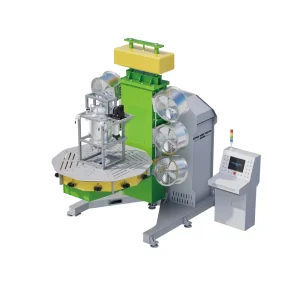
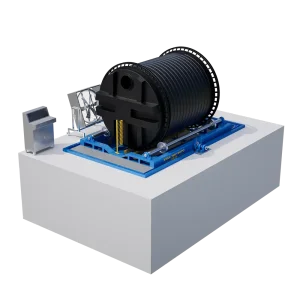
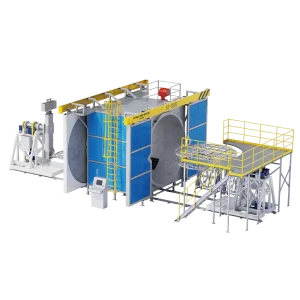
Complete your rotational molding production ecosystem with high-capacity carousel systems, open-flame rock and roll machines, and OEM shuttle configurations designed for processing custom polymer grades.