An authoritative whitepaper analyzing thermomechanical efficiency, alloy metallurgy, CNC mold dynamics, and RFQ benchmarking for global industrial manufacturing buyers.
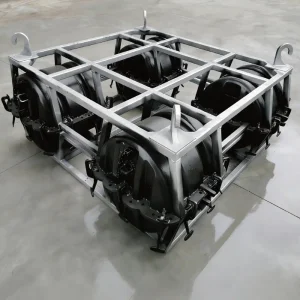
In modern industrial polymer processing—specifically high-volume rotational molding, low-pressure die casting, and specialized blow molding—the structural integrity, thermal conductivity, and dimensional stability of the Aluminium Casting Tool directly determine manufacturing profitability and finished product yield. Sourcing an aluminum casting tool is no longer a simple procurement transaction; it represents a strategic engineering decision that impacts total cost of ownership (TCO), thermal cycle speed, scrap rates, and product service life.
When procurement executives and engineering teams search to Buy Aluminium Casting Tool Quotes & Service, they face complex technical trade-offs between cast aluminum alloys (such as A356, A380, or specialized Al-Si-Mg formulations), CNC pattern machining accuracy, wall thickness uniformity, and thermal stress resistance. This whitepaper establishes an industry-standard framework to evaluate tool quotes, factory audits, quality assurance parameters, and long-term service agreements.
Selecting the correct material matrix for an aluminum tool requires a rigorous assessment of part geometry, surface aesthetic requirements, mold lifetime expectations, and mechanical fatigue limits:
| Tooling Material / Method | Thermal Conductivity | Dimensional Precision | Surface Polishability | Expected Service Life | Initial Capital Cost |
|---|---|---|---|---|---|
| Cast Aluminum (A356-T6) | 160 – 170 W/m·K | ± 0.25 mm / m | High (VDI 24 - 30, Textured) | 15,000+ Cycles | Optimal (Balanced) |
| CNC Machined Billet Al (6061) | 170 – 190 W/m·K | ± 0.05 mm / m | Ultra-High (Mirror Finish) | 25,000+ Cycles | High (+40% vs Cast) |
| Fabricated Sheet Steel | 45 – 50 W/m·K | ± 1.20 mm / m | Moderate (Welded Seams) | 8,000 Cycles | Low Initial Cost |
| Cast Ductile Iron | 70 – 80 W/m·K | ± 0.40 mm / m | Moderate (Industrial Finish) | 30,000+ Cycles | Moderate |
As demonstrated in the comparison matrix above, Cast Aluminum A356-T6 represents the optimal sweet spot for industrial rotomolding, offering exceptional thermal dynamics, superior resistance to thermal fatigue during rapid heating-cooling cycles, and seamless integration of complex 3D rib structures and logo inserts.
How tier-1 industrial buyers structure RFQs, evaluate factory quotes, manage lead times, and optimize total cost of ownership (TCO).
A comprehensive Request for Quote (RFQ) must detail 3D STEP/IGES files, resin shrinkage factors (typically 2.0% - 3.0% for LLDPE/HDPE), shrinkage compensation vectors, parting line geometry, clamping mechanics, and surface texture specifications (SPI, VDI, or custom leatherette texture).
Tooling quotes are broken down into wood/CNC pattern creation (15%), foundry aluminum casting (35%), 5-axis CNC secondary finishing & parting line fitting (25%), surface treatment/texturing (10%), and mold frame/spider arm integration (15%).
Standard lead time for a custom cast aluminum rotomolding tool ranges between 25 to 45 days. Critical milestones include CAD freeze, wooden model pattern verification, casting pour inspection, CMM dimensional check, and First Off Tooling (FOT) sample approval.
Leveraging Ningbo StarWay Roto's integrated manufacturing ecosystem for unprecedented speed, quality control, and cost competitiveness.
China has established itself as the global epicenter for precision rotational mold design and aluminum casting tool fabrication. The strategic consolidation of raw material refineries, specialized casting foundries, 5-axis CNC machining centers, and automated surface texturing hubs within regional clusters like Ningbo creates unmatched supply chain synergy.
Rigorous international compliance, ISO certifications, and dedicated field engineering support across 40+ countries.
End-to-end quality management systems covering pattern creation, casting melt purity, dimensional verification, and mold trial sign-offs.
All tool assemblies, pneumatics, automatic core pullers, and clamping frames fully conform with European CE directives and OSHA safety requirements.
Advanced Computational Fluid Dynamics (CFD) and Finite Element Analysis (FEA) simulate mold thermal transfer and melt distribution before casting.
On-site engineers provide mold commissioning, operator training, maintenance, parting line refurbishing, and rapid spare parts dispatch globally.
How smart sensors, additive manufacturing patterns, and automated rotomolding systems are reshaping modern tooling performance.
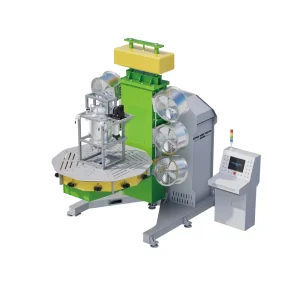
The global rotational molding and aluminum casting tool industry is experiencing a massive technological shift towards smart automation, energy efficiency, and digital process optimization:
Modern cast aluminum tools are increasingly fitted with wireless internal mold temperature (TP) sensors. These sensors feed real-time thermomechanical data into the rotomolding machine control system, enabling precise dynamic burner adjustments and shortening cycle times while preventing material degradation.
Through advanced CAD topology optimization, aluminum casting tools now incorporate structural reinforcement ribs and conformal air-flow channels directly into the outer casting shell. This design delivers maximum structural rigidity while reducing overall tool weight by 15%–20%, reducing thermal inertia and energy consumption.
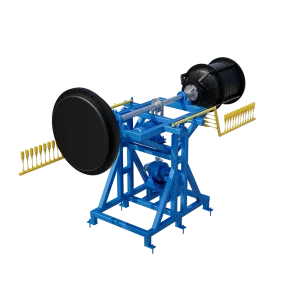
Replacing manual mold clamps with integrated pneumatic locking mechanisms and automated ejector pins dramatically reduces manual labor, speeds up part demolding, and facilitates fully robotic cell automation.
High-precision aluminum tooling engineered for challenging real-world industrial environments.
Complex seamless hulls, pontoon structures, and motorized kayaks demanding zero draft angles in targeted zones, textured anti-slip surfaces, and perfect hydrostatic balance.
Heavy-duty vertical/horizontal storage tanks up to 20,000L capacity utilizing multi-piece aluminum castings with specialized parting lines to withstand wall thickness fluctuations.
Custom tractor fuel tanks, HVAC air ducts, instrument panels, and fender enclosures featuring integrated metal threaded inserts and high-end aesthetic graining.
Expert answers addressing common procurement, technical engineering, maintenance, and quoting queries.