
Explore high-efficiency electric heating rotomolding machines, multi-station shuttles, and custom precision tooling engineered by Ningbo StarWay Roto Co., Ltd.
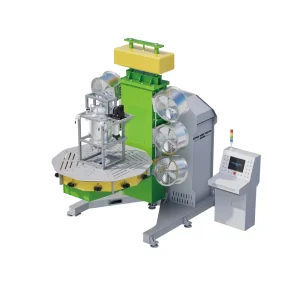
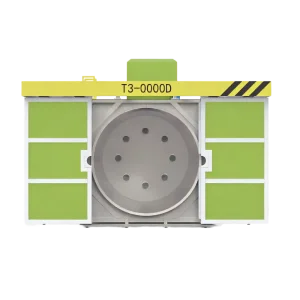
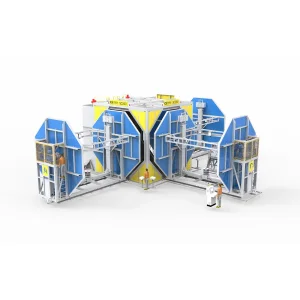
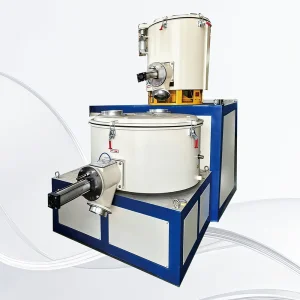
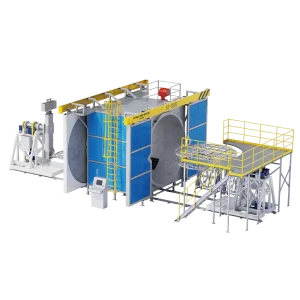
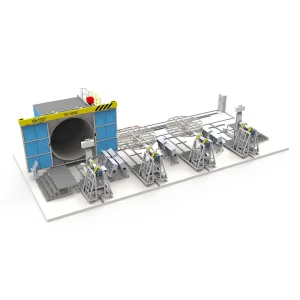
Analyzing global market growth, polymer processing technology shifts, and why rotomolding is capturing market share from injection molding and blow molding.
The global rotational molding market size was valued at approximately $5.8 Billion in 2024 and is projected to reach over $8.8 Billion by 2032, expanding at a compound annual growth rate (CAGR) of 5.4%. Growth is heavily accelerated by infrastructure spending in water treatment systems, high-durability logistics containers, eco-friendly agricultural machinery, and heavy industrial chemical containment.
Rotational molding is increasingly replacing welded sheet metal, fiberglass (FRP), and heavy injection-molded structures. Traditional welded metal tanks suffer from rust and joint corrosion, while fiberglass production poses significant health and environmental hazards. Rotomolded thermoplastic components offer 100% recyclability, seamless single-piece structural integrity, and exceptional resistance to harsh chemicals.
Discover why global original equipment manufacturers (OEMs) select rotational molding over injection molding, blow molding, and metal fabrication for large hollow plastic parts.
Unlike injection molding, which forces high-viscosity molten plastic into molds under immense pressure, rotomolding relies on atmospheric biaxial rotation inside a heated oven. Because the polymer melts dynamically and coats the mold cavity walls without pressure, the molded plastic contains zero internal molded-in stress. This results in phenomenal impact resistance, freedom from warpage, and maximum Environmental Stress Crack Resistance (ESCR).
Blow molding tends to stretch plastic thinner around sharp corners and deep draws, leading to localized structural failure. Conversely, rotomolding naturally deposits excess resin on outer radiused corners during rotation. This produces thicker, heavier corners exactly where stress concentration is highest, significantly increasing the structural rigidity and drop-test survivability of tanks and containers.
High-pressure injection molds require massive steel blocks capable of resisting hundreds of tons of hydraulic clamping force, costing $150,000 to $500,000+. Rotomolding tooling—typically fabricated from sheet steel or cast aluminum—operates under near-atmospheric pressure. Tooling costs are 60% to 80% lower, enabling rapid prototyping, flexible small-batch runs, and faster market entry.
Modern rotomolding machines can seamlessly drop secondary resin charges using drop-boxes during heating cycles. This facilitates multi-wall construction: an anti-bacterial or chemical-resistant virgin inner skin, a foamed insulating core for refrigeration containers, and an ultra-tough UV-stabilized exterior skin, all fused cohesively in one heating process.
Heavy threaded brass, stainless steel studs, and structural mounting flanges can be placed directly inside the mold cavity prior to heating. As the plastic powder melts, it flows around the knurled metal inserts, locking them into the solid part wall. This eliminates secondary post-molding tapping, gluing, or mechanical fastening steps.
If an industrial client requires a heavy-duty chemical tank with a wall thickness of 12mm instead of 8mm, no tooling redesign is necessary. Operators simply add more resin powder by weight into the mold cavity and extend the heating cycle slightly. This gives engineers unprecedented flexibility to adjust product strength on demand.
Why sourcing rotomolding machines and custom aluminum moulds from Chinese manufacturing hubs delivers unbeatable supply chain speed, precision engineering, and economic value.
Ningbo StarWay Roto Co., Ltd. is positioned in Ningbo, Zhejiang Province—the world's premier cluster for mold manufacturing and heavy machinery assembly. Within a 50-kilometer radius, our facility integrates high-precision 5-axis CNC aluminum mold carving, pattern casting foundries, heavy steel frame fabrication, and industrial automation PLC assembly. This extreme spatial concentration reduces machinery production cycle times by up to 50% compared to Western manufacturers.
While traditional overseas rotomolding rely heavily on open-flame natural gas or diesel burners—subject to intense fuel price volatility and carbon regulations—China leads in Electric Heating Rotomolding Systems. Electric heating delivers thermal efficiency ratings exceeding 92%, provides ±1°C chamber temperature stability, eliminates soot contamination, and reduces factory carbon emissions to zero at the point of manufacture.
| Performance Metric | Traditional Gas / Open Flame Machine | StarWay Electric Heating Smart Machine | Industrial Buyer Advantage |
|---|---|---|---|
| Thermal Precision | ±10°C to ±15°C Variance | ±1°C Microprocessor Control | Eliminates under-cured or burnt plastic parts |
| Energy Efficiency | 45% - 55% Heat Loss to Atmosphere | 85% - 92% Heat Retention | Saves up to 35% on monthly utility overhead |
| Mold Tooling Lead Time | 12 to 16 Weeks (European Avg.) | 4 to 6 Weeks (Ningbo CNC Cluster) | Accelerates product launch and market expansion |
| Environmental Footprint | High CO2 & NOx Exhaust Emissions | Zero Direct Factory Emissions | Fully compliant with global ESG regulations |
| Automation Integration | Basic Relay & Manual Timer Control | Siemens PLC + Touchscreen IoT | Enables recipe storage, remote diagnostics & monitoring |
Rotomolding solutions tailored for specialized structural, thermal, and regulatory requirements in North America, Europe, SE Asia, and the Middle East.
In North America, rotomolding is dominated by high-volume demands for commercial outdoor equipment: 50-gallon to 10,000-gallon agricultural liquid fertilizer spray tanks, heavy-duty insulated ice chests (coolers) capable of 7-day ice retention, off-road fuel cell reservoirs (cross-linked PE), and marine floating docks. Equipment must handle tough LLDPE and XLPE resins with UV20+ stabilization packages.
European markets demand extreme compliance with circular economy mandates and low energy consumption. Prominent applications include automated municipal waste collection containers, medical insulated biopharmaceutical shipping boxes, underground rainwater harvesting tanks, and lightweight ergonomic kayaks. Electric heating rotomolding machinery is rapidly replacing gas systems across Germany, France, and Italy due to strict municipal noise and emissions rules.
Faced with extreme sun exposure and soaring ambient temperatures up to 50°C, the Middle East relies heavily on large vertical multi-layer clean water storage tanks (5,000L to 30,000L capacity) and septic containment systems. StarWay's multi-station Shuttle machines and Rock-and-Roll units produce triple-layer insulated water tanks featuring white heat-reflective outer walls and anti-microbial black inner liners.
Rapid industrialization across SE Asia creates surging procurement for double-walled chemical storage tanks, intermediate bulk containers (IBC totes), fish farming aquaculture tubs, and marine buoys. StarWay's automated Carousel systems provide continuous, high-volume production output required by large Asian chemical processing operations.
How Industry 4.0 digitization, real-time wireless mold thermal monitoring, and green energy are transforming rotational molding technology.
Traditional rotomolding relied on operator guesswork for heating cycle timing. Next-generation systems integrate wireless radio-frequency sensors inside the mold cavity. By measuring the real-time Internal Air Temperature (IAT) curve, the PLC automatically detects exact resin melting, powder consolidation, and optimal peak internal temperature, eliminating under-cured brittle parts completely.
Labor shortage concerns are pushing smart rotomolding plants toward automated mold door pneumatic latching, vacuum resin conveying, and robotic arm part extraction. Automated cooling station blowers dynamically adjust air CFM and water mist droplets to prevent part warpage while shaving 20% off cycle times.
Environmental policies are accelerating the adoption of bio-polyethylene (derived from sugarcane) and post-consumer recycled HDPE blends. Modern rotomolding machinery controls oven airflow and heating ramp rates to prevent thermal degradation of recycled polymer chains during long heating cycles.
Understanding machine pricing structures, mold investment parameters, and Total Cost of Ownership (TCO) models for capital equipment budgeting.
Purchasing rotational molding machinery and tooling requires evaluating initial capital expenditure (CapEx) against operational expenditure (OpEx), floor space constraints, and production volume targets. Below is a comprehensive procurement pricelist guide detailing standard market cost ranges, operational strengths, and target applications for various machine configurations.
| Rotomolding Machine Category | Estimated Factory Price Range (USD) | Production Output Capacity | Best Product Application |
|---|---|---|---|
| Open Flame Rock & Roll Machine | $15,000 – $45,000 | Low to Medium (1 - 3 parts/hr) | Long cylindrical water/septic tanks, kayaks, simple hollow tubes |
| Electric Heating Shuttle Machine (2-Arm) | $35,000 – $95,000 | Medium (4 - 8 parts/hr) | Custom tanks, agricultural containers, multi-product flexible runs |
| High-Load Square Shuttle System (3-Arm) | $65,000 – $165,000 | Medium to High (8 - 15 parts/hr) | Large 5,000L–20,000L tanks, industrial IBC totes, heavy housings |
| Continuous Independent Carousel (3/4 Arm) | $95,000 – $320,000+ | High Volume Continuous (20+ parts/hr) | Mass product manufacturing: traffic cones, commercial coolers, toys |
| Precision CNC Cast Aluminum Mould | $3,500 – $38,000 / set | 50,000+ cycles lifespan | Complex geometries: coolers, automotive ducts, medical boxes |
| Fabricated Sheet Steel Mold | $1,800 – $15,000 / set | 20,000+ cycles lifespan | Large smooth-surface vertical water storage tanks, simple septic tanks |
1. Oven Spherical Diameter: Larger oven chambers require higher structural steel mass, larger burners/heating matrices, and high-CFM recirculation fans.
2. PLC Automation Tier: Siemens S7-1500 PLC with multi-touch HMI panels and automated diagnostic software adds premium value compared to basic relays.
3. Arm Payload Capacity: Heavy-duty straight or offset arms designed to carry 2,000kg+ mold/resin combinations require heavy forged gearboxes and high-torque motor drives.
When comparing factory quotes, smart buyers look beyond initial purchase price. StarWay electric heating machines lower TCO by reducing thermal energy loss, minimizing scrap rates via ±1°C heating control, and reducing mold maintenance through smooth frequency-inverter drive acceleration and deceleration.
Expert engineering answers to critical questions regarding rotomolding machinery purchasing, tooling materials, operational physics, and factory setup.
Explore our complete lineup of carousel systems, rock-and-roll units, and OEM electric heating solutions ready for global shipment.
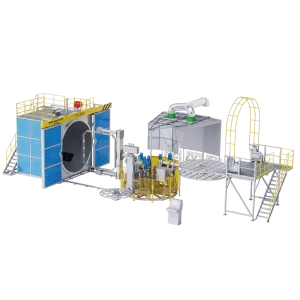
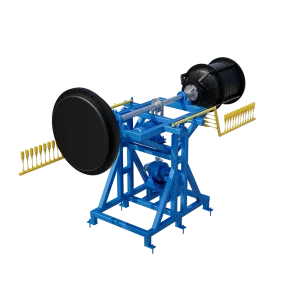
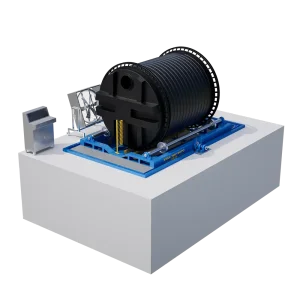
Empower your plastic manufacturing line with high-efficiency electric rotomolding machines, precision CNC aluminum moulds, and turnkey smart factory layout design.
Request an Instant Factory Quote & Catalog