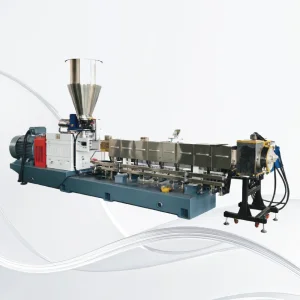
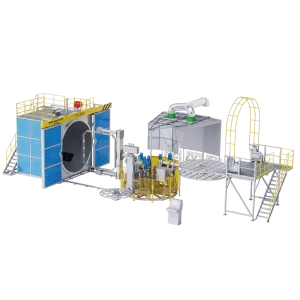
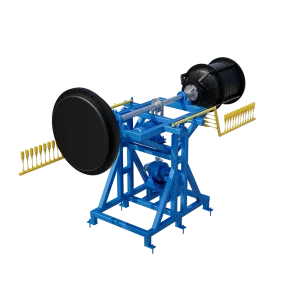
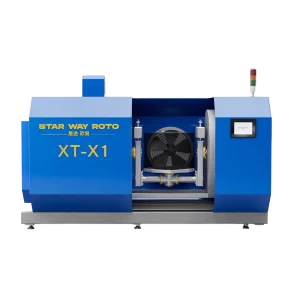
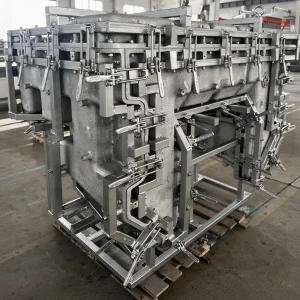
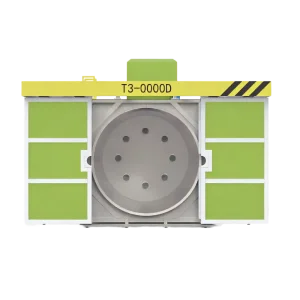
Explore high-efficiency rotational molding machinery, automated material preparation systems, and specialized tooling designed for global manufacturing compliance.
In the contemporary industrial landscape, international OEM purchasing managers, engineering directors, and supply chain executives face complex trade-offs when evaluating Polyethylene Rotomolding quotes and end-to-end services. Rotational molding (rotomolding) has evolved from a niche manufacturing method for basic hollow tanks into a highly sophisticated, computer-controlled thermal process capable of producing seamless, stress-free, multi-layered plastic structures of immense scale and dynamic geometry.
Procuring rotomolded polyethylene components involves analyzing Total Cost of Ownership (TCO) beyond the initial price per piece. Global enterprise buyers must evaluate raw resin stabilization, mold thermal conductivity, heating media efficiency (direct electric vs. natural gas burners), cycle time optimization, wall thickness uniformity, and long-term tooling durability. Understanding these variables ensures procurement strategies remain financially lean and structurally robust.
Unlike blow molding or injection molding where residual stress is frozen into the part during high-pressure injection, rotomolding relies on gravity and thermal powder fusion inside a biaxially rotating mold. This yields inherently stress-free parts with uniform wall thickness at corners, delivering superior environmental stress crack resistance (ESCR) for critical chemical and heavy-duty applications.
When requesting quotes for polyethylene rotational molding services, engineering bids should be broken down into five primary economic drivers:
Polyethylene represents over 85% of all rotationally molded polymers worldwide due to its thermal stability, forgiving processing window, outstanding impact strength, and ease of micronization into fine powders. However, optimizing a polyethylene rotomolding process requires precise alignment of resin rheology, heating curves, and mechanical rotation ratios.
| Polyethylene Resin Grade | Density Range (g/cm³) | Melt Flow Index (MFI) | Tensile Strength (MPa) | Primary Application Profile |
|---|---|---|---|---|
| LLDPE (Linear Low-Density) | 0.932 - 0.940 | 3.0 - 7.0 g/10min | 18 - 22 MPa | General tanks, kayaks, playground equipment, insulated boxes. |
| HDPE (High-Density) | 0.941 - 0.960 | 2.0 - 4.5 g/10min | 24 - 30 MPa | High-rigidity industrial containers, waste bins, underground sumps. |
| XLPE (Cross-linked PE) | 0.938 - 0.946 | N/A (Thermoset link) | 22 - 28 MPa | Heavy chemical storage, extreme impact fuel tanks, acid vessels. |
| Foamed Multi-Layer PE | 0.30 - 0.60 (Core) | Varied multi-layer | Enhanced Flex Structural | Insulated marine coolers, structural hulls, acoustic barriers. |
During the heating cycle, the mold rotates simultaneously along major (primary) and minor (secondary) axes. Typical rotation speed ratios range from 4:1 to 3:1. This rotation does not rely on centrifugal force; rather, it gently tumbles the micro-pulverized PE powder across the inner surface of the heated cavity.
As the mold inner surface reaches the polymer melting point (110°C to 135°C for LLDPE), powder particles tacky-adhere to the wall, forming a porous layer. Continued heat transfer causes these particles to fuse into a homogeneous melt layer through viscous sintering. Trapped air pockets between powder grains gradually dissolve into the polymer matrix. Achieving optimal mechanical properties depends directly on reaching the precise Peak Internal Air Temperature (PIAT), typically between 190°C and 215°C. Under-curing leaves pinholes and un-fused powder particles, causing brittle impact failure, while over-curing induces thermal oxidation, degrading polymer chains and producing bad odor and discoloration.
Real-time wireless temperature monitoring inside the mold cavity tracks PIAT, eliminating trial-and-error scrap rates and ensuring 100% cure consistency per cycle.
35-mesh to 50-mesh high-speed grinding guarantees narrow powder size distribution, reducing air entrapment bubbles and improving tensile elongation.
Dual-stage forced air and fine water vapor cooling prevents differential shrinkage, warpage, and internal stress formation during PE crystallization.
When selecting a manufacturing process for hollow or complex plastic products, structural engineers must weigh tooling costs, part complexity, wall thickness flexibility, and volume metrics against alternatives like Blow Molding, Injection Molding, and Thermoforming.
| Evaluation Metric | Polyethylene Rotomolding | Blow Molding | Injection Molding |
|---|---|---|---|
| Initial Tooling Investment | Very Low to Moderate | High | Extremely High |
| Lead Time to Prototype | 3 to 6 Weeks | 8 to 14 Weeks | 12 to 24 Weeks |
| Max Hollow Container Volume | Up to 50,000 Liters+ | Up to 3,000 Liters | Limited (< 500 Liters) |
| Wall Thickness Uniformity | Excellent (Thick Corners) | Thinner at Stretch/Corners | High (Requires Uniform Ribs) |
| Residual Mold Stress | Zero (Gravity Fused) | Moderate (Stretched Melt) | High (High Pressure Shear) |
| Multi-Wall / Foamed Layers | Seamless In-Mold Layering | Requires Co-extrusion | Complex Injection Sandwich |
| Economic Production Range | 50 to 10,000 units/yr | 10,000 to 100,000+ units/yr | 50,000+ units/yr |
As demonstrated in the comparison matrix, Polyethylene Rotomolding delivers unparalleled economic efficiency for medium-to-large hollow components, customized product lines, and heavy-duty applications requiring wall integrity without massive capital exposure in ultra-expensive injection molds.
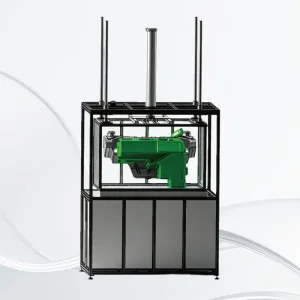
Modern rotomolding production has advanced far from primitive open-flame systems. Modern facilities deploy intelligent, automated machinery configurations engineered for precision heat transfer, minimal energy loss, and high volume throughput.
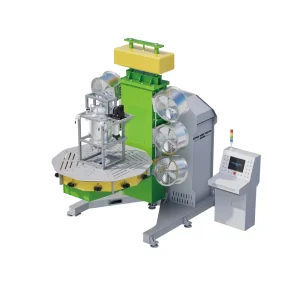
Designed for continuous high-output operations, carousel machines feature 3 to 5 independent arms moving sequentially through designated heating, cooling, and loading/unloading stations. Independent arm drive systems allow different molds with varying thermal masses and cycle times to operate concurrently without bottlenecking plant productivity.
Shuttle systems utilize a central furnace with two independent mold-carrying carts moving horizontally on rails into the heating chamber from opposite sides. This design minimizes floor space, lowers capital equipment investment, and provides ultimate operational flexibility for producing large-scale tanks and custom industrial OEM parts.
Addressing global carbon neutrality mandates and rising natural gas costs, electric heating rotomolding ovens utilize infrared ceramic heating elements coupled with forced air circulation. This architecture achieves 90%+ electrothermal conversion efficiency, zero direct emissions, and micro-zone temperature regulation within ±1.5°C across the mold envelope.
Specially engineered for long, cylindrical, or linear hollow structures such as kayaks, canoes, industrial pipes, and pontoon floats. The machine rocks the mold along its longitudinal axis while rolling it 360 degrees along its cross-axis, significantly reducing burner chamber height and fuel usage.
From agricultural precision feeding systems to heavy chemical containment, custom rotomolded PE delivers robust performance across harsh environments.
Seamless vertical, horizontal, and transport tanks up to 50,000L. Formulated using high-density UV-stabilized LLDPE or XLPE for safe storage of acids, alkalis, and potable water.
Complex fuel tanks, hydraulic oil reservoirs, air intake ducts, tractor cabs, and fenders featuring molded-in metal bushings, threaded inserts, and drop-impact resistance.
Automated feeding troughs, waterers, chemical spray tanks, and sanitation systems built to resist livestock impact, organic acids, and extreme weather fluctuations.
Double-walled dry ice containers, vaccine shippers, and commercial ice boxes injected with high-density polyurethane (PU) foam, offering multi-day thermal hold times.
Dock floats, navigation buoys, oil spill containment booms, septic tanks, and waste handling carts impervious to saltwater corrosion and marine bio-fouling.
High-performance kayaks, canoes, playground slides, outdoor furniture, and commercial gaming equipment with vibrant color stability and molded-in graphics.
To obtain an optimized, accurate, and competitive quotation for Polyethylene Rotomolding machinery, moulds, or custom component manufacturing, industrial buyers should prepare comprehensive Request for Quotation (RFQ) packages containing key technical parameters.
Every piece of rotomolding machinery and tooling engineered under our production protocol undergoes rigorous pre-shipment dry runs, heat distribution mapping, sample trial pressing, and full compliance checking aligned with CE and ISO international directives.
Ensuring long-term field reliability for polyethylene rotomolded products requires rigorous factory acceptance testing (FAT) and adherence to international material and manufacturing standards.
Conducted in accordance with the Association of Rotational Molders (ARM) standard. Samples cut from molded PE parts are conditioned at -40°C and subjected to a dart drop test to quantify ductile-to-brittle transition resistance.
Design and structural calculation validation for upright flat-bottom polyethylene storage tanks, verifying hoop stress, top-head load capacity, and minimum wall thickness margins.
100% full-fill static water head testing and pneumatic pressure bubble testing for spin-welded fittings and sealed hollow vessels to ensure absolute zero leak performance.
Technical and procurement answers to common queries regarding polyethylene rotational molding quotes, tooling choices, and production capabilities.
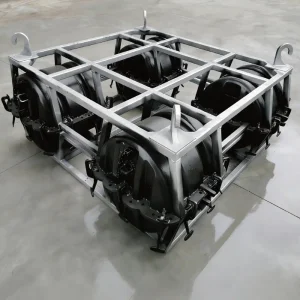
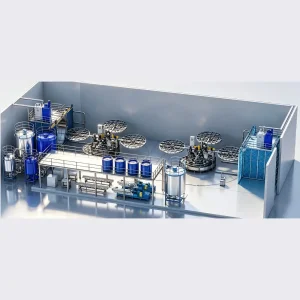
Review our complete range of CE-certified electric heating rotomolding ovens, cast aluminum tooling, and turnkey industrial production systems.
Partner with leading engineers to optimize your rotational molding machinery, CNC tooling design, and material formulation. Contact our global engineering team for comprehensive project quotes within 24 business hours.