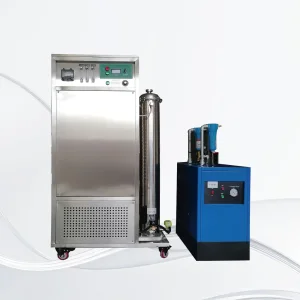
Explore top-tier rotational polyethylene processing systems, open flame rock & roll machines, and high-capacity shuttle setups engineered for rigorous plant operations.
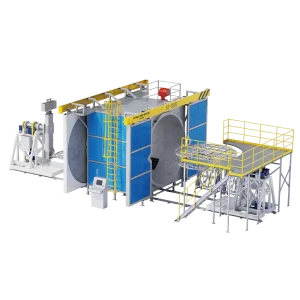
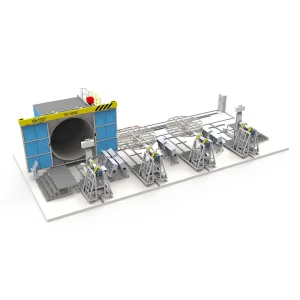
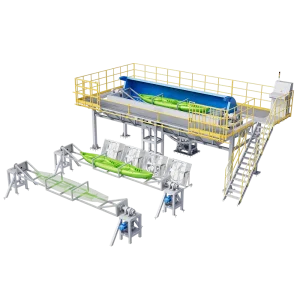
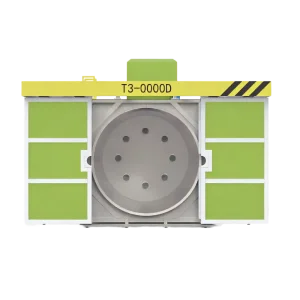
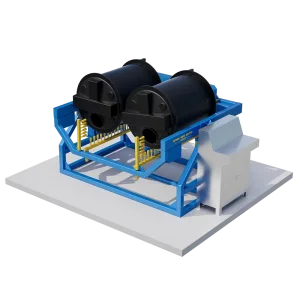
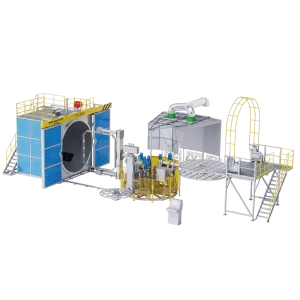
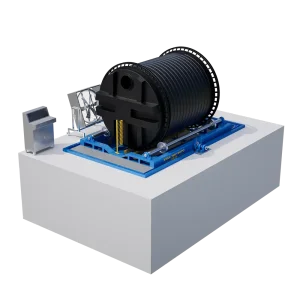
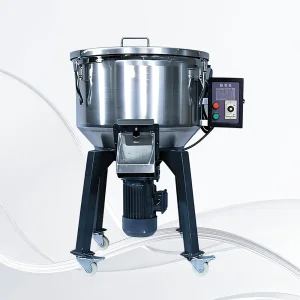
Polyethylene (PE) molding machinery—specifically specialized rotational molding (rotomolding) equipment, blow molding units, and industrial thermoforming systems—forms the backbone of contemporary hollow plastic manufacturing. Polyethylene polymers, spanning Linear Low-Density Polyethylene (LLDPE), High-Density Polyethylene (HDPE), and Cross-linked Polyethylene (XLPE), demand high thermal precision, controlled biaxial rotation, and uniform cooling protocols to achieve structural integrity without residual internal stress.
In high-capacity industrial settings, procurement teams must evaluate equipment not merely on initial machinery acquisition costs, but on Total Cost of Ownership (TCO), thermal efficiency ratios (measured in BTU/kg or kWh/kg of processed polymer), cycle time optimization, and long-term mechanical uptime. Modern polyethylene molding systems have evolved beyond basic mechanical turning frames into automated, sensor-guided production cells that integrate IoT diagnostics, closed-loop temperature telemetry, and automated resin-charging capabilities.
Modern industrial polyethylene molding machines cater to high-yield sector-specific demands. Below is how custom machine configurations map to heavy industrial utility:
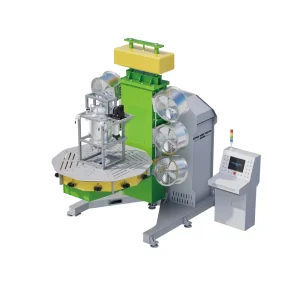
Large-scale vertical and horizontal LLDPE water tanks (ranging from 1,000L to 50,000L) require multi-arm Carousel or heavy-duty Shuttle machines. These systems ensure uniform wall thickness across ribs and sumps, resisting environmental stress cracking (ESCR).
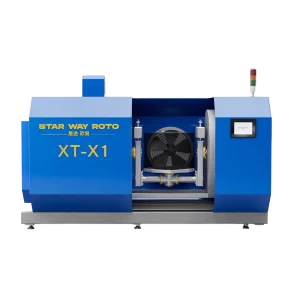
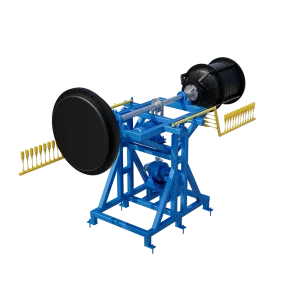
Slender, long-aspect hollow bodies such as sea kayaks, canoes, floating docks, and marine buoys are optimally processed using specialized Rock & Roll (Swing) molding machines equipped with precise tilt control and length-extended thermal chambers.
Processing cross-linkable polyethylene (XLPE) for double-walled chemical storage tanks demands electric heating or direct-flame precision to manage exact curing temperatures, preventing resin degradation during extended bake cycles.
High-impact, double-walled Roto-molded coolers require CNC-machined aluminum moulds integrated with fast-shuttle carousel systems to yield rigid outer shells tailored for polyurethane (PU) foam insulation injection.
Complex ducting, fuel tanks, adblue reservoirs, and tractor fenders molded from polyamides (Nylon) or PE demand exact IAT telemetry to prevent part distortion and ensure dimensional accuracy for OEM integration.
Pallets, intermediate bulk containers (IBCs), laundry carts, and waste bins demand automated multi-arm machines offering high load capacity and flexible station indexing to handle heavy steel tooling setups effortlessly.
As environmental regulations tighten and energy volatility impacts global production costs, the technological roadmap for polyethylene molding equipment is undergoing structural shifting toward zero-emissions, digital-twin monitored processing units.
Transitioning from static time-based oven cycles to real-time wireless IAT sensor telemetry. By monitoring the exact thermo-fusion point of PE powder inside the mould, machines automatically trigger cooling cycles, cutting thermal over-baking and reducing energy waste by up to 18%.
Replacing legacy diesel and natural gas combustion burners with high-efficiency infrared, electric induction, and clean hydrogen-compatible burner systems. These green heating systems lower carbon footprints, align with EU Green Deal compliance, and provide surgical precision over thermal distribution.
Fully automated processing lines equipped with robotic resin weighing, automated multi-layer resin drop boxes for foam-core products, continuous visual inspection via AI camera systems, and robotic part extraction for zero-operator cycle continuous runs.
China’s manufacturing ecosystem for plastics machinery—anchored by strategic industrial hubs such as Ningbo and Zhejiang province—offers unmatched supply chain integration. Procuring Polyethylene Molding Machines directly from established Chinese OEM hubs unlocks distinctive strategic advantages for global buyers:
From raw steel plate stress-relieving and frame fabrication to 5-axis CNC aluminum mould machining and Siemens/Schneider electrical integration, complete localized control ensures shorter build cycles and strict quality control.
Unlike rigid Western equipment lines, Chinese engineering suppliers provide tailored frame sizing, modular arm extensions, dual-fuel heating options, and custom station footprints designed specifically for unique factory heights.
Procuring high-grade Chinese machine systems typically yields 30% to 50% CAPEX savings compared to North American or European counterparts, allowing plant operators to allocate funds toward premium CNC tooling and automation accessories.
Choosing the correct machine platform depends directly on volume requirements, part dimensions, and batch variation flexibility:
| Machine Architecture | Target Production Volume | Ideal Product Geometry | Key Advantage | Footprint Efficiency |
|---|---|---|---|---|
| Carousel Machine (3/4 Arm) | High Continuous Volume | Tanks, Coolers, Bins, Drums | Parallel heating, cooling & loading cycles | Moderate (Circular Layout) |
| Shuttle / Line-Shuttle | Medium / High Product Mix | Large Chemical Containers, Septic Tanks | Independent arm indexing & recipe control | High (Linear Layout, -30% Floor Space) |
| Rock & Roll (Oven Type) | Low-to-Medium Volume | Kayaks, Long Pipes, Vessels | Optimized heating along long horizontal axis | Excellent for Slender Parts |
| Open Flame Rock & Roll | Batch / Entry Level | Agricultural Tanks, Simple Hollow Bodies | Lowest initial CAPEX, quick setup | Compact / Open Workshop |
Exporting heavy industrial plastics machinery across North America, Europe, the Middle East, and Latin America requires strict adherence to international safety and electrical protocols. Quality-driven suppliers implement rigorous compliance frameworks:
Machinery builds feature full CE certification, complying with Machinery Directive 2006/42/EC, ISO 9001 quality management, and optional UL/CSA compliant control panels for North American grid standards (480V/60Hz).
Prior to ocean freight dispatch, machines undergo rigorous dry-run testing and full thermal validation. Comprehensive FAT video documentation, sensor calibration reports, and wiring schematics are supplied to the client.
Field application engineers deploy globally for on-site machinery assembly, gas line connection, mold balancing, and staff operational training. Integrated VPN routers allow remote PLC troubleshooting 24/7.
Detailed technical answers to help purchasing managers and plant directors make informed machinery investments.
Review eco-friendly electric machines, specialized open-flame systems, lab test platforms, and downstream pulverizer/mixer solutions.