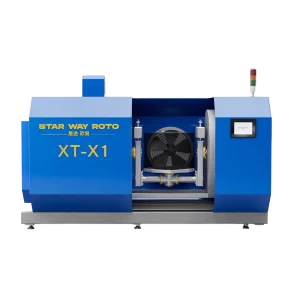
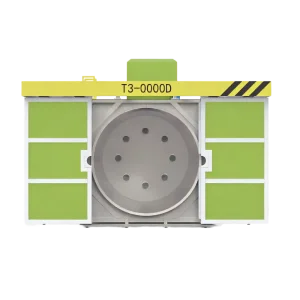
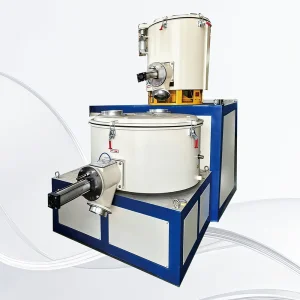
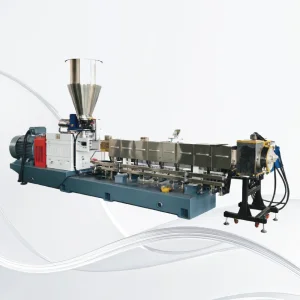
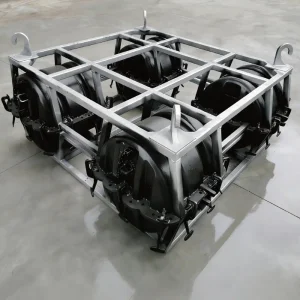
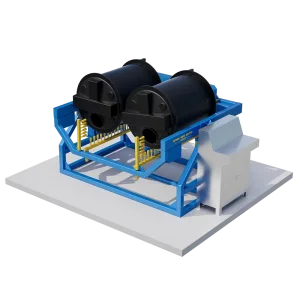
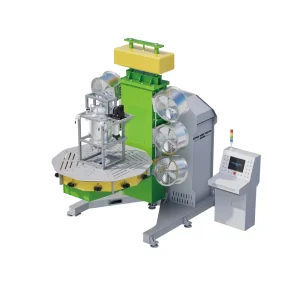
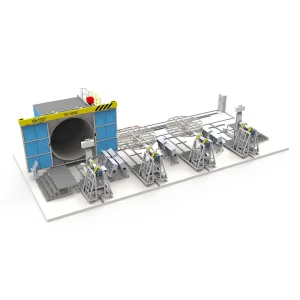
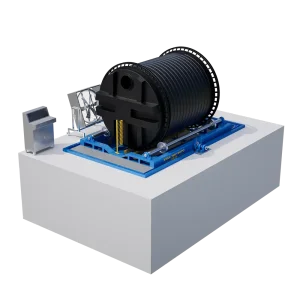
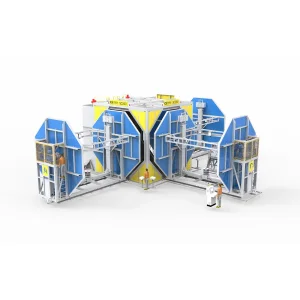
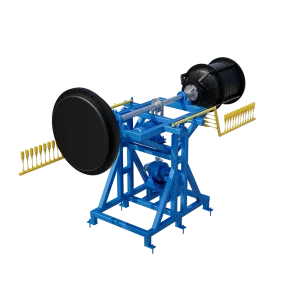
High-precision laboratory testing equipment, energy-efficient electric ovens, high-speed compounding mixers, and custom-machined steel moulds designed to support full-lifecycle maritime ODM production.
The global passenger ferry and marine infrastructure sector is undergoing an unprecedented structural transition. Traditional marine fabrication materials—chiefly riveted marine-grade aluminum alloys, welded carbon steel, and labor-intensive glass-reinforced plastic (GRP/Fiberglass)—face compounding economic and regulatory pressures. Escalating salt-water electrolytic corrosion, severe gelcoat blistering (osmosis), high structural deadweight, and stringent decarbonization mandates under the International Maritime Organization (IMO) 2030/2050 framework have accelerated the adoption of advanced rotational polymer molding.
Original Design Manufacturing (ODM) in ferry rotomolding provides an end-to-end engineered methodology. By utilizing low-pressure, high-temperature biaxial rotation, thermoplastic resins such as linear low-density polyethylene (LLDPE), high-density polyethylene (HDPE), and cross-linked polyethylene (XLPE) coalesce into seamless, stress-free, one-piece hollow structures. These marine monolithic structures possess superior impact damping, UV24+ chemical resistance, zero-corrosion vulnerability, and positive intrinsic buoyancy.
International commercial vessel buyers, tourism watercraft developers, and harbor authorities demand stringent mechanical certifications, life-cycle carbon tracking, and rigorous dimensional tolerance.
Electrification of coastal ferries requires ultra-lightweight structures to maximize battery energy density and operational range. Rotomolded hollow polyethylene hull segments reduce hydrodynamic displacement weight by up to 35% compared to steel-clad alternatives, directly cutting propulsion energy demand.
Global buyers demand compliance with ISO 12217-1 small craft stability and buoyancy standards, SOLAS fire-retardant compounding (UL94 V-0, IMO FTP Code Part 2/5 smoke toxicity), and Lloyd's Register or DNV material approvals for offshore pontoon mooring.
Unlike steel or aluminum which require periodic dry-dock scraping, sacrificial zinc anode replacement, and hazardous anti-fouling repainting, rotomolded PE possesses non-polar surface energy that discourages severe marine growth and requires only high-pressure water washing.
Operating from our 20-acre modern facility in Ningbo, Ningbo StarWay Roto integrates vertically from raw virgin polymer compounding to 5-axis CNC mold carving and automated rock-and-roll rotational molding.
Our 40+ engineering team executes full-scale Computational Fluid Dynamics (CFD) and Finite Element Analysis (FEA) to verify wall-thickness stress distribution, buoyancy equilibrium, and dynamic wave impact resistance before cutting metal.
We design and machine both cast aluminum and fabricated heavy-gauge steel moulds in-house. CNC multi-axis milling ensures ultra-tight parting lines (<0.3mm), eliminating flash and guaranteeing flawless hermetic sealing.
Home to the world's record-setting S2-8500 large-scale rotational molding machine, StarWay manufactures continuous single-piece hollow hulls, ferry catamarans, and heavy floats up to 8.5+ meters in spherical diameter.
Proprietary intelligent wireless internal air temperature (PIAT) sensing tracks polymer melting, sintering, and solidification cycles in real-time, eliminating micro-porosity and ensuring 100% molecular cross-linking density.
From complete tourist passenger vessels to rugged marine infrastructure and modular commercial dock systems, StarWay ODM services adapt to every marine engineering envelope.
Multi-chamber pontoon modules and catamaran twin hulls engineered for inland rivers, scenic lakes, and inter-island passenger ferries. Integrated molded-in threaded brass inserts allow direct structural mounting of aluminum superstructure decks and canopy frames.
Heavy-duty rotomolded polyethylene floating pontoons and gangway landing stages. Designed with interlocking heavy pin connectors, anti-slip diamond surface textures, and closed-cell EPS/PU internal foam filling for 350kg/m² load capacity.
Flame-retardant, high-comfort marine passenger bench seating, integrated captain helm consoles, waterproof under-seat battery enclosures, and robust storage lockers designed to resist salt spray, UV degradation, and vandalism.
High-visibility navigation buoys, channel markers, and light tower floats manufactured with UV20+ pigments and radar reflective coatings, operating reliably in heavy sea states and extreme sub-zero or tropical maritime environments.
Ultra-durable, thick-walled cylindrical and rectangular floats designed for deep-sea fish farm cages, mooring buoys, and dynamic floating wave attenuators requiring superior impact resistance against heavy working vessel collisions.
Indestructible rigid buoyant polymer hulls engineered for coastal patrol, flood rescue teams, harbor pilots, and oil spill containment response operations where rocky shingle beaching and debris impact are daily hazards.
Comprehensive comparative engineering data illustrating mechanical durability, corrosion resilience, maintenance costs, and lifecycle sustainability.
| Performance Indicator | Rotomolded LLDPE / XLPE | Fiberglass (GRP) | Marine Grade 5083 Aluminum | Welded Marine Carbon Steel |
|---|---|---|---|---|
| Corrosion Resistance | Immune to Saltwater / Chem | Susceptible to Osmosis Blistering | Galvanic Corrosion Risk | Severe Rust; Requires Sacrificial Anodes |
| Impact Damping & Ductility | High Plastic Elasticity | Brittle; Delaminates / Cracks | Permanent Denting / Cracking | Deforms under heavy shock load |
| Hull Deadweight | Ultra-Light (Density ~0.94) | Moderate (Density ~1.6) | Light (Density ~2.7) | Extremely Heavy (Density ~7.85) |
| Tooling Cost (NRE) | Low to Medium CNC Tooling | Medium Hand-Layup Molds | High Jigging / Extrusion Dies | High Heavy Structural Jigs |
| Maintenance & Drydocking | Zero Maintenance / Easy Wash | Frequent Gelcoat Repairs | Anode Swaps & Seam Inspection | Annual Sandblasting & Painting |
| End-of-Life Recyclability | 100% Thermoplastic Recyclable | Non-recyclable Landfill Waste | 100% Recyclable Scrap | 100% Recyclable Scrap |
Explore our full line of industrial rock-and-roll systems, square shuttle machines, and precision steel moulds designed for large-format maritime and commercial hollow product fabrication.
Every ferry component, hull segment, and custom mould undergoes multi-stage destructive and non-destructive quality verification before global shipment.
Multi-point ultrasonic thickness metrology guarantees that corners, radii, and deep-draw structural bulkheads meet stringent target wall-thickness specifications (±0.5mm tolerance) without thermal thinning or resin starvation.
Conducted in compliance with ARM International standards and ASTM D5628, verifying zero brittle crack failure at low temperatures. Essential for marine vessels operating in alpine lakes and sub-arctic waterways.
100% pneumatic pressure decay bubble leak testing ensures completely hermetic, zero-leak hollow buoyant pontoon cavities, validated to withstand prolonged hydrodynamic wave surging.
Detailed technical answers to common questions raised by naval architects, marine procurement directors, and industrial distributors.
Marine-grade hexene (C6) and octene (C8) Linear Low-Density Polyethylenes (LLDPE) or Cross-Linked Polyethylene (XLPE) compounded with minimum UV8 to UV24 hindrance amine light stabilizers (HALS) and carbon black masterbatch are standard. They provide optimum impact ductility, Environmental Stress Crack Resistance (ESCR > 1000h), and resistance to saltwater and hydrocarbon fuels.
Rotomolding uses atmospheric low-pressure tooling typically cast in A356 aluminum or welded from high-yield structural steel. This reduces tooling costs by approximately 70-80% compared to injection or blow molds for massive hollow parts (>2 meters). Standard tool fabrication lead time is 35 to 60 days, enabling rapid prototype iteration and faster time-to-market.
Yes. Our ODM engineering process incorporates molded-in threaded brass, stainless steel (316 grade), or hot-dip galvanized steel inserts directly inside the mold cavity before the heating cycle. The molten polymer surrounds the knurled insert anchors, resulting in pull-out strengths exceeding 25 kN per fastener point for secure deck and superstructure mounting.
Through multi-axis computer-controlled rotation speed ratios (e.g., 4:1 to 1:1 major/minor axis ratio), variable burner cycle profiles, and strategically placed mold thermal air shields or internal heating pipes. We conduct extensive thermal profiling during initial sample runs to guarantee uniform polymer flow into sharp draft angles and deep chines.
Each cubic meter (1 m³) of air-filled or expanded polyurethane-filled rotomolded polyethylene pontoon provides approximately 950 kg to 980 kg of net buoyancy in seawater. Even in the event of severe hull skin puncture from underwater obstacles, our closed-cell hydrophobic polyurethane core absorbs <2% water volume, maintaining structural reserve buoyancy.
With virgin UV20+ stabilized hexene/octene copolymer resins, expected service life exceeds 15 to 25+ years in harsh subtropical marine UV environments. The material will not rust, rot, delaminate, or undergo osmotic degradation, requiring negligible structural maintenance over its entire operational lifecycle.
Our step-by-step collaborative engineering workflow guarantees total design fidelity, stringent quality oversight, and on-time global supply chain execution.
Receive customer 3D STP/IGES models or functional performance briefs. Complete comprehensive Design for Manufacturability (DFM), draft angle optimization, and buoyancy finite calculations.
Precision 5-axis CNC machining of cast aluminum or fabricated steel tooling, complete with internal temperature sensor integration, high-durability clamp framing, and mirror surface polishing.
First-article trial run, dimensional CMM verification, ultrasonic thickness mapping, dart impact testing, and buoyancy flotation verification with complete inspection reports submitted for sign-off.
Automated mass production, secondary robotic trimming, PU foam core filling, containerized nesting packaging, and CIF/DDP global maritime shipping directly to your assembly facility.