Explore our primary exported rotomolding machinery configurations engineered for maximum thermal efficiency, low maintenance lifecycle, and smart factory integration.
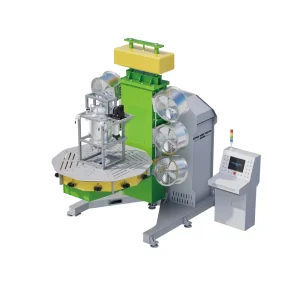
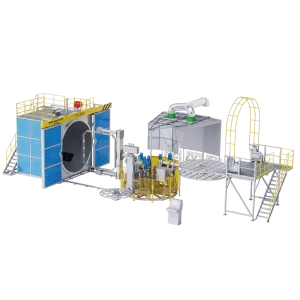
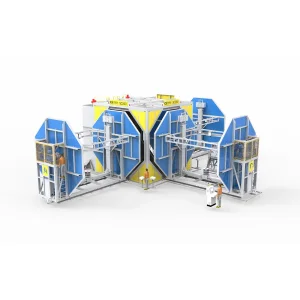
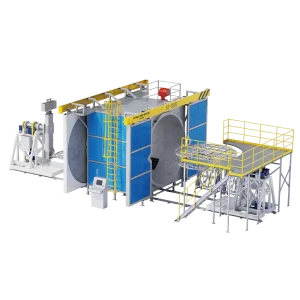
The global thermoplastic manufacturing sector is undergoing an aggressive structural shift toward zero-stress, hollow-core polymer structures. Known internationally as Moldeo Rotacional (Rotational Molding or Rotomolding), this specialized casting process is essential for producing seamless, stress-free, double-walled products ranging from massive agricultural water tanks and chemical containment vessels to complex automotive fluid reservoirs and military-grade insulated containers.
The global rotational molding market, valued at over USD $4.85 Billion in 2024, is projected to reach USD $7.20 Billion by 2032, expanding at a CAGR of 5.1%. Key drivers include the accelerated demand for clean water infrastructure in Latin America (notably Mexico, Brazil, and Colombia), rapid expansion of the marine recreational craft industry, and industrial bulk container logistics.
Regions leveraging Spanish-language procurement frameworks for "Proveedores de Maquinaria de Moldeo Rotacional" (Rotomolding Equipment Exporters) demand high structural integrity and local technical adaptability. Global exporters must deliver machinery capable of operating reliably under ambient temperature fluctuations, varying electrical grids, and multi-polymer formulations.
Traditional open-flame and direct-fired gas rotomolding machinery face intense regulatory pressure regarding thermal efficiency, NOx emissions, and uneven wall-thickness variances. Top exporters now engineer direct electric heating systems combined with real-time infrared telemetry to optimize polymer melt cycles.
Unlike injection molding or blow molding, rotational molding relies on atmospheric pressure thermal processing. Micro-pulverized plastic resins (typically 35 Mesh / 500 Micron powder) coalesce inside a heated rotating mold. Understanding the thermodynamics of powder sintering and air bubble removal kinetics is critical for buyers evaluating high-end machinery exporters.
| Polymer Classification | Melt Flow Index (MFI) | Density Range (g/cm³) | Key Mechanical Advantages | Primary Industrial Applications |
|---|---|---|---|---|
| LLDPE (Hexene / Octene) | 3.5 – 7.0 g/10 min | 0.932 – 0.940 | High Environmental Stress Crack Resistance (ESCR), superior impact strength | Water storage tanks, kayaks, chemical containers, septic tanks |
| HDPE (High-Density PE) | 2.0 – 4.0 g/10 min | 0.941 – 0.960 | High flexural modulus, rigidity, heat deflection temperature | Heavy-duty pallets, agricultural feed troughs, fuel containers |
| XLPE (Cross-Linked PE) | 1.5 – 3.0 g/10 min | 0.938 – 0.945 | Exceptional chemical resistance, elevated stress fracture resistance | Industrial chemical storage, acid tanks, hazardous liquid transport |
| PP (Polypropylene) | 10 – 25 g/10 min | 0.900 – 0.915 | Higher stiffness, elevated service temperature capability (>100°C) | Autoclave containers, heating ducts, structural battery cases |
| PA-12 (Polyamide / Nylon) | Custom Liquid/Powder | 1.010 – 1.050 | Extreme oil/gas resistance, ultra-high tensile strength | Small engine fuel tanks, military hydraulic fluid reservoirs |
Selecting the appropriate machinery platform dictates overall plant efficiency, cycle time optimization, and floor footprint utilization. Leading global exporters structure their equipment catalogues into three foundational mechanical configurations:
Designed for continuous mass-production environments. Carousel systems feature a central index turret with 3 to 4 independent arms moving sequentially through heating, pre-cooling, cooling, and loading/unloading stations.
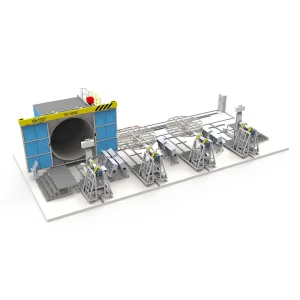
Ideal for producing large, heavy-duty hollow parts where mould changeover frequency is high. Carts shuttle horizontally along heavy steel tracks into a central oven, allowing custom heating profiles for disparate part sizes.
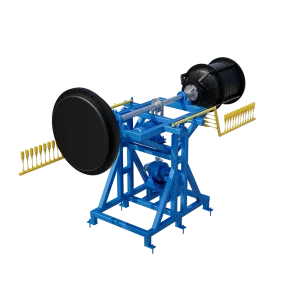
Specifically built for long, cylindrical, or narrow hollow products. The mould rocks along a transverse axis while rotating 360 degrees along the longitudinal axis, dramatically reducing oven volume requirements.
Modern rotomolding exporters must provide complete upstream and downstream processing integration. Below are four key industrial sectors benefiting from turnkey rotational molding systems:
Integrated automatic feeding and weighing systems, livestock water troughs, chemical fertilizer storage tanks, and pesticide spray hoppers designed with chemical-resistant LLDPE/XLPE resins.
UV-20 stabilized marine dock floats, double-hulled kayaks, yacht fuel tanks, and seamless steel-lined anti-corrosive marine pipes fabricated on Rock and Roll machines.
PU-foamed insulated transport containers, heavy-duty spill containment pallets, intermediate bulk containers (IBCs), and biopharmaceutical cold-chain storage boxes.
Impact-resistant engine air intake ducts, tractor roof cabins, DEF (Diesel Exhaust Fluid) tanks, and noise-damping wheel well guards for commercial vehicle OEMs.
The international rotational molding industry is accelerating toward Industry 4.0 digitisation. Buyers evaluating machine exporters must understand the strategic technological milestones shaping future factory floors.
Transitioning from fossil-fuel burners to direct electric resistance heating elements and infrared emitter arrays. Zero carbon footprint compliance and thermal energy recovery loops become mandatory for EU/NA export markets.
Widespread deployment of wireless real-time internal mold temperature sensors (TPV/PIAT). AI algorithms dynamically adjust burner intensity and rotational RPM ratios to eliminate internal voids and hot spots automatically.
Autonomous robotic arms execute automated powder dosing, mold clamping, part demolding, and ultrasonic wall-thickness inspection. Complete integration of 100% PCR (Post-Consumer Recycled) and bio-based polyethylene compounds.
To ensure reliable operational uptime and high ROI, international purchasing directors must audit potential Moldeo Rotacional machine suppliers against four critical engineering pillars:
Verify mandatory international safety standard certifications including CE Marking, UL Electrical Panel certification, CSA guidelines, and ISO 9001:2015 Quality Management compliance.
Inspect arm drive gearboxes, thermal expansion joints, and CNC precision machined mold parting lines to prevent flash formation and mechanical backlash during 24/7 continuous operation.
Ensure exporters maintain PLC remote cloud access capabilities (Siemens / Allen-Bradley) for instant troubleshooting, software updates, and global spare part dispatch logistics.
Expert answers to critical technical questions surrounding rotational molding machine procurement, process parameter selection, and exporter services.
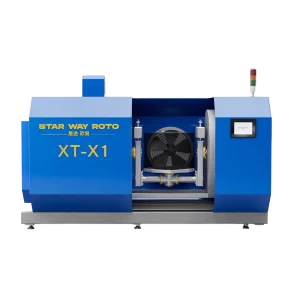
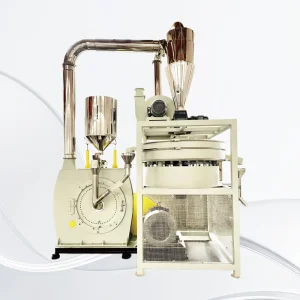
Browse additional high-efficiency machinery, laboratory testing units, and high-precision resin pulverizing systems exported globally.