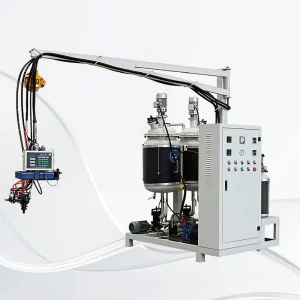
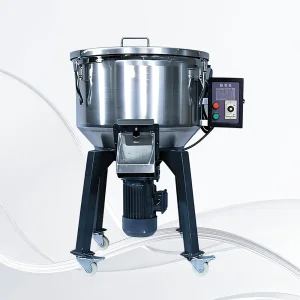
Explore our state-of-the-art machinery and precision molds engineered to deliver optimal heat transfer, zero porosity, and superior dimensional control.
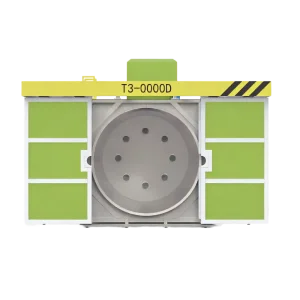
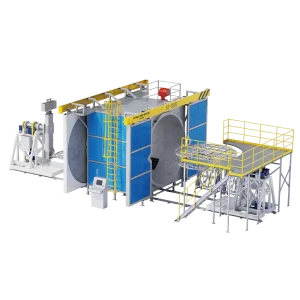
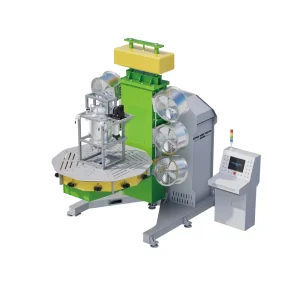
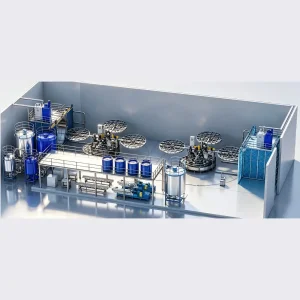
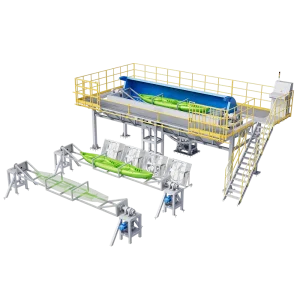
Rotational molding (Rotomolding) has undergone a profound technological transformation over the past decade. Once regarded as a low-cost, low-tolerance alternative to injection molding, modern custom rotomolding tool design has advanced into a ultra-precision engineering domain. Global OEM buyers now demand intricate geometry, uniform wall thickness distributions within ±0.5 mm, zero surface porosity, and thermal efficiency capable of reducing overall cycle times by up to 25%.
The global demand for custom rotomolds is driven by rapid expansion across heavy industrial storage, chemical logistics, automotive fuel and DEF systems, marine craft manufacturing, and medical cold-chain infrastructure. Unlike high-pressure injection molding tooling—which requires massive clamping forces and expensive steel blocks—rotational molds operate under atmospheric pressure. This fundamental physical distinction allows engineers to utilize high-thermal-conductivity materials such as A356/C355 cast aluminum alloys, 6061-T6 billet aluminum, and fabricated structural steel to produce massive hollow components at a fraction of standard tooling capital expenditures.
Technical Growth Perspective: By combining Finite Element Analysis (FEA) thermal profiling with 5-axis CNC machining, modern custom rotomolding molds deliver surface finishes ranging from SPI-A2 optical polish to complex geometric textures (VDI 33), while preserving strict mechanical tolerances and mitigating post-mold warpage.
Evaluating custom rotomolding mold costs requires a granular understanding of material choices, fabrication techniques, volumetric dimensions, and internal mechanism complexities. To provide maximum transparency for procurement officers and engineering directors, the matrix below details global benchmark pricing across primary rotomolding mold classifications for 2026.
| Mold Classification | Material & Alloy Grade | Estimated Price Range (USD) | Tool Lifespan (Cycles) | Ideal Industrial Applications |
|---|---|---|---|---|
| Fabricated Sheet Steel Molds | Q235 / Q345 Mild Steel & Stainless Steel | $1,500 – $6,500 | 15,000 – 35,000 | Large agricultural tanks, septic vessels, basic drainage pits, hollow structural containers. |
| Cast Aluminum Molds | A356-T6 / C355 High-Purity Aluminum | $3,500 – $18,500 | 50,000 – 150,000 | Kayaks, outdoor furniture, commercial coolers, playgrounds, medical housings. |
| 5-Axis CNC Machined Molds | 6061-T6 / 7075-T6 Billet Aluminum | $8,500 – $45,000 | 200,000+ | Automotive air ducts, DEF fuel tanks, aerospace enclosures, high-precision threadings. |
| Multi-Piece Electroformed Nickel Molds | High-Purity Electrodeposited Nickel | $12,000 – $65,000 | 100,000+ | Complex textured consumer goods, medical mannequins, high-end optical surface parts. |
When requesting formal engineering quotes from StarWayRoto or global suppliers, four critical variables dictate the final tooling investment:
High-purity A356-T6 cast aluminum provides superior thermal conductivity (150 W/m·K) compared to steel (50 W/m·K). However, pattern development—whether CNC-machined wood, high-density polyurethane resin, or 3D-printed SLA master models—represents 20–30% of total cast mold expenditure.
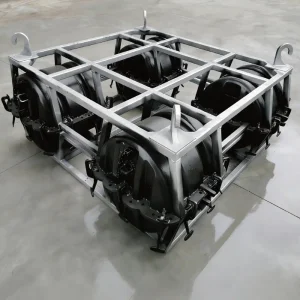
Precision tongue-and-groove parting lines require high-speed 5-axis CNC milling to achieve perfect sealing without resin flash. Molds with undercut core pulls, hydraulic action pins, and mirror-polished internal surfaces drastically scale CNC machine hours.
Heavy-duty steel spider frames, spring-loaded mechanical clamps, pneumatically driven core pulls, and PTFE-packed multi-stage vent pipes directly impact tooling durability and cycle optimization during operational baking phases.
Achieving superior structural integrity in hollow rotomolded plastic components requires a rigorous Design for Manufacturing (DFM) methodology. At StarWayRoto, custom mold development undergoes a multi-tier engineering validation sequence to eliminate common manufacturing defects such as warpage, skinning pinholes, uneven corner thinning, and excessive internal stress.
Rotomolding polymers—primarily Linear Low-Density Polyethylene (LLDPE), High-Density Polyethylene (HDPE), Cross-linked PE (XLPE), Polypropylene (PP), and Polyamide (Nylon 6/12)—exhibit non-linear volumetric shrinkage rates ranging from 1.5% to 3.5%. Our tooling engineers calculate exact CAD scaling factors based on polymer melt flow index (MFI) and cooling curve dynamics.
Draft angles are engineered specifically to facilitate effortless demolding without surface scuffing:
In rotational molding, heat transfer efficiency dictates cycle timing and resin sintering. If mold wall thickness varies drastically across structural ribs or mounting bosses, localized hotspots or cold zones occur. Cold zones lead to un-melted resin powder lumps, while hotspots cause thermal degradation and brittle plastic matrices.
Using 3D Computational Fluid Dynamics (CFD) and Finite Element Analysis (FEA), StarWayRoto models heat flux across the entire mold body within the oven chamber. Heat transfer fins, localized aluminum mass reduction pockets, and optimized spider frame mounting plates are integrated to guarantee uniform thermal absorption across all mold cavities.
During the heating cycle, air inside the sealed mold expands rapidly. Without proper venting, internal pressure builds up, pushing molten polymer into parting lines and causing heavy flash. During the cooling cycle, expanding air contracts, creating a vacuum that collapses thin-walled parts. StarWayRoto applies the industry-standard venting volumetric formula:
Standard Vent Pipe Sizing Rule: Minimum 13 mm internal diameter vent pipe per 1.0 m³ of mold cavity volume, packed with high-temperature resistant Teflon/silicone wool to prevent resin powder migration while permitting free air exchange.
Global procurement teams across diverse industries require custom rotomolding tooling tailored to specific regulatory, operational, and mechanical requirements. StarWayRoto provides end-to-end engineered solutions across four major global sector verticals:
Engineered CNC aluminum molds for complex DEF tanks, diesel fuel cells, engine air intake snorkels, and cabin interior trim components requiring embedded metal inserts, tight tolerances, and leak-proof pressure integrity.
Large-scale fabricated steel and cast aluminum molds for double-walled chemical storage, 10,000L water vessels, hazardous material containment bins, and heavy-duty IBC totes compliant with international transport safety standards.
Heavy-duty, seamless rotomolded feeding troughs, automated weighing system housings, chemical spray tanks, and calf hutches engineered with UV-stabilized resins to endure extreme environmental conditions.
To support multi-national buyers, StarWayRoto operates a global service framework ensuring rapid tooling setup, seamless machine integration, and ongoing localized maintenance. We recognize that tooling downtime directly hurts factory profitability; therefore, our engineering teams adhere to stringent international quality protocols.
Every custom rotomolding mold designed and produced at our 20-acre production plant undergoes multi-stage quality assurance testing before international export:
Global Service Support Protocol: StarWayRoto offers full on-site mold testing, trial run sample validation (T1/T2 testing), and technical engineer dispatch services across North America, Europe, Southeast Asia, and the Middle East within 48 hours of notification.
The rotational molding industry is on the verge of a technological revolution. StarWayRoto is pioneering next-generation smart mold systems and sustainable energy-saving tooling solutions designed to meet 2030 carbon neutrality mandates.
Integrating machine learning algorithms into pre-mold FEA thermal simulations to generate micro-optimized mold wall thicknesses automatically.
Embedding wireless internal air temperature (IAT) and pressure sensors directly within aluminum mold bodies to stream real-time cure data to Carousel PLC systems.
Utilizing large-scale metal 3D printing to create conformal heating channels and lightweight lattice structures within cast aluminum molds.
Engineered low-thermal-mass molds combined with direct electrical heating jackets to eliminate fossil-fuel oven chambers completely.
Clear, direct answers to fundamental engineering and procurement inquiries regarding custom rotomolding mold design, quotation processes, and production timelines.
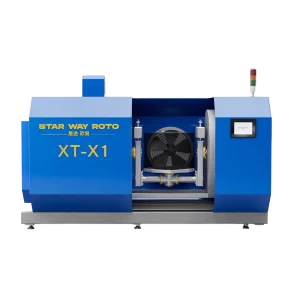
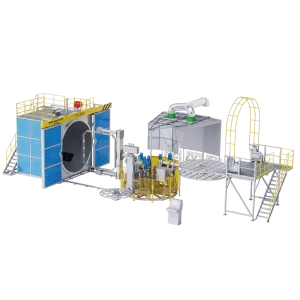
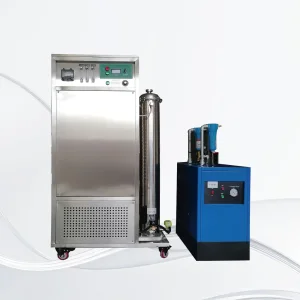
Explore our full line of specialized shuttle machines, electric heating ovens, steel molds, and automated auxiliary systems.