
Explore our high-performance U-arm rock and roll systems, electric heating rotomolders, and precision steel tooling engineered for low operational costs.
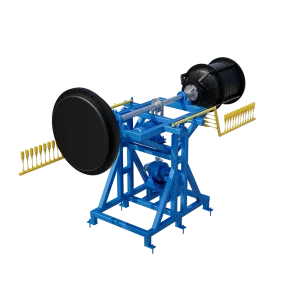
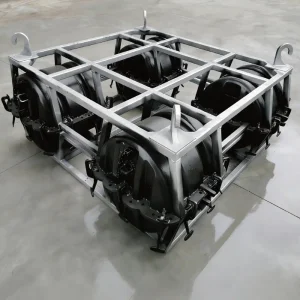
Understanding the thermomechanics, structural integrity, and compliance metrics that elevate industrial hollow plastic component production.
Rotational moulding (commonly designated as rotomolding or rotocasting) represents a specialized thermoplastic processing discipline engineered for creating seamless, stress-free, double-walled or hollow polymer components. Unlike injection or blow molding—which rely on extreme mechanical shear and hydraulic pressure—rotomolding relies on thermal energy transfer and biaxial low-speed rotation to evenly distribute polymer powders (such as LLDPE, HDPE, Cross-linked PE, PP, and PA12) across internal mould cavities.
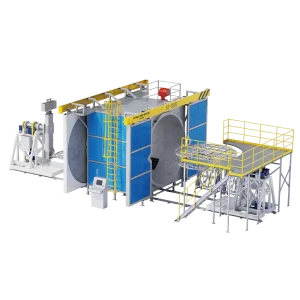
As modern OEMs demand higher volumetric consistency, zero-stress mechanical performance, and strict European conformity, securing a CE Certified Roto Molding Machine becomes a non-negotiable prerequisite for enterprise procurement. CE certification verifies compliance with key European safety, health, and environmental directives, specifically the Machinery Directive 2006/42/EC, the Low Voltage Directive 2014/35/EU, and the EMC Directive 2014/30/EU.
When selecting manufacturing methods for large-scale hollow products (such as chemical storage tanks, septic systems, automotive ducting, and marine hulls), engineers must balance tooling amortization costs against structural wall uniformity. The table below illustrates why enterprise procurement leads increasingly prioritize advanced rotomolding systems:
| Process Parameter | Rotational Molding (Roto) | Blow Molding | Injection Molding |
|---|---|---|---|
| Tooling Capital Expenditure (CAPEX) | Low to Moderate (Cast Al / Sheet Steel) | High (Heavy Duty Steel Cavities) | Extremely High (Hardened Steel Dies) |
| Residual Internal Mold Stress | Near-Zero (Atmospheric Sintering) | Moderate (Stretched Polymer Chains) | High (High Shear & Rapid Quenching) |
| Wall Thickness Uniformity at Corners | Superior (Natural Material Build-up) | Poor (Thinning at Stretch Zones) | Uniform (Requires Core Complexities) |
| Max Volumetric Capability | Up to 50,000 Liters Capacity | Limited (< 5,000 Liters) | Extremely Limited (< 1,000 Liters) |
| Multi-Layer & Foam Core Potential | Seamless Multi-Drop Integration | Complex Co-extrusion Only | Inapplicable for Hollow Hulls |
How StarWay Roto builds safety, thermal reliability, and electrical fail-safes directly into the machine architecture.
All control panels, PLC modules, and servo drivers incorporate heavy-duty isolation transformers, IP54 dust/water-resistant enclosures, dual-channel safety relays, and surge suppression networks to withstand continuous industrial operation.
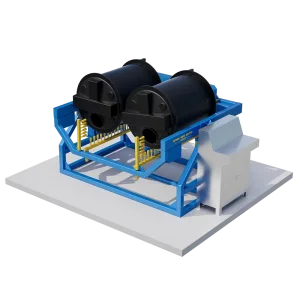
For natural gas, LPG, or diesel burner systems (such as our U-arm rock and roll series), integrated flame monitoring sensors, automatic gas shutoff valves, and positive furnace pressure exhaust systems ensure absolute operational safety during high-temperature cycles.
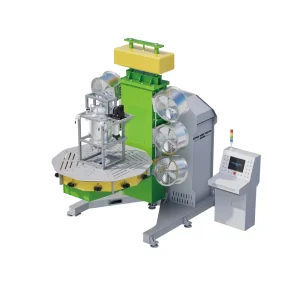
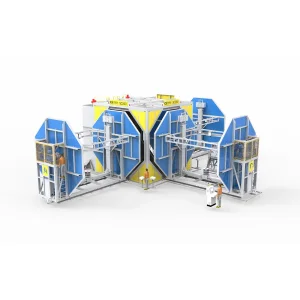
Rotational arms, machine doors, and shuttle mechanisms feature hardware-level mechanical interlocks. Interlocked perimeter guarding prevents human entry during high-speed biaxial motion, safeguarding plant personnel.
Combining world-class CNC engineering, massive raw material supply chains, and cost-efficient manufacturing systems.
Global OEMs and industrial product buyers increasingly rely on specialized Chinese manufacturers like StarWay Roto to engineer custom rotomolding equipment and mold tooling. China’s industrial ecosystem offers unprecedented integration across every phase of the rotomolding supply chain:
Smart automation, green energy integration, and real-time thermal monitoring redefine modern polymer processing.
Moving away from direct fossil-fuel combustion, modern plants adopt precision electric heating modules and direct-drive AC servo motors for exact rotational speed control and zero direct carbon emissions during production.
Temperature Peak Inside Mold (TPAT) wireless radio sensors track internal air temperature cycles in real time. PLC algorithms automatically adjust oven dwell times, eliminating pinhole bubble defects and thermal degradation.
Automated powder conveying and robotic demolding systems minimize manual labor intervention, dramatically reducing cycle variability and ensuring consistent part weight throughout multi-shift production.
From marine vessels to agricultural infrastructure, rotomolded components deliver unparalleled durability.
Seamless, UV-stabilized polyethylene boat hulls, heavy-duty dock floats, marine pontoons, and fuel tanks built using open-flame or oven-type swing rock and roll machinery for high impact resistance against saltwater environments.
Large vertical and horizontal liquid storage tanks, multi-chamber underground septic tanks, and chemical dosage vessels ranging from 500L up to 30,000L with zero weld lines or seam leak points.
Complex tractor cabs, fuel tanks for construction excavators, air intake ducts, adBlue containers, and heavy-duty plastic wheel wells that replace expensive sheet metal fabrications.
PU-foam injected rotomolded ice boxes, medical vaccine transport containers, insulated fish tubs, and heavy-duty industrial pallets engineered for tough logistic supply chain handling.
Corrosion-free cattle drinking troughs, pesticide spray tanks, hopper bins, liquid fertilizer storage, and specialized agricultural feed dispensers built for decades of outdoor UV exposure.
Mobile restrooms, heavy-duty commercial waste containers, traffic safety barriers, water-filled road dividers, and commercial playground equipment designed to meet global structural safety standards.
Evaluating capital expenditures, thermal energy efficiency, and operational scalability for maximum return on investment.
Procuring industrial rotational molding systems represents a significant long-term capital investment. Senior buyers must evaluate equipment based on the Total Cost of Ownership (TCO) model rather than initial machine purchase price alone. Key parameters driving TCO in rotomolding include:
TCO Formula: Initial CAPEX + (Thermal Energy Cost + Maintenance + Scrap Rate) * Operating Cycles
Browse our selection of specialized high-load shuttle rotomolders, custom steel molds, and vessel-grade swing machines.
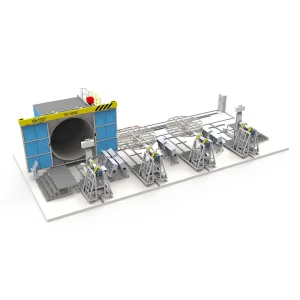
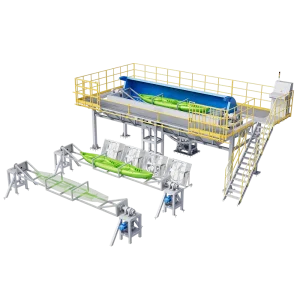
Expert answers addressing regulatory compliance, machinery selection, tool maintenance, and operational parameter optimization.