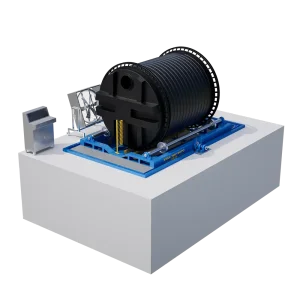
Explore high-performance rotomolding molds, square shuttle systems, and electric-heating ovens manufactured to rigorous international engineering standards.
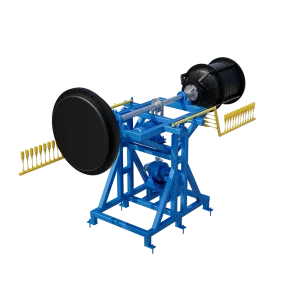
Analyzing macro-industrial shifts in rotational molding tooling engineering, alloy optimization, and cross-border manufacturing supply chains.
The global industrial landscape for Rotational Molding Tooling (Rotomolding Molds) has undergone a paradigm shift over the past decade. Traditionally viewed as a low-pressure, highly manual plastic molding technique suited primarily for basic water storage tanks and simple agricultural containers, modern rotational molding now powers mission-critical applications across aerospace, automotive, medical sanitation, marine vessels, and high-performance cold-chain logistics.
According to current market intelligence, the global rotational molding equipment and tooling market is expanding at a Compound Annual Growth Rate (CAGR) of over 6.4%, driven by demand for seamless, stress-free hollow plastic components with complex geometries. Unlike injection molding or blow molding—which operate under high internal hydraulic pressures requiring massive steel molds—rotomolding relies on biaxial rotation inside a heated oven under atmospheric pressure. Consequently, the performance of the rotational mold itself directly dictates wall thickness uniformity, surface aesthetics, cycle speed, and overall energy consumption per part.
Transition from heavy cast iron and low-grade fabricated sheet steel to high-density A356/A357 cast aluminum and aircraft-grade 6061-T6 forged aluminum alloys engineered for rapid thermal transfer.
Seamless 5-axis CNC high-speed machining directly from 3D native CAD files, eliminating dimensional variances and ensuring exact wall thickness ratio calculations across multi-cavity tools.
Designing molds with optimized thermal mass to reduce oven residence time, curbing natural gas/electric power consumption by up to 25% while extending tool life beyond 50,000 thermal cycles.
Selecting the optimal tooling material and manufacturing method requires balancing surface quality requirements, production volumes, complex geometries, and capital outlay.
| Tooling Technology | Thermal Conductivity | Surface Finish & Porosity | Dimensional Tolerance | Ideal Application Scope | Relative Cost Factor |
|---|---|---|---|---|---|
| 5-Axis CNC Machined Aluminum (6061-T6) | 160 - 200 W/m·K | Zero porosity; SPI A-2 mirror gloss or precision CNC micro-texture capable. | ±0.15 mm to ±0.25 mm | Tight-tolerance medical housings, automotive fuel tanks, premium cooler boxes. | High Initial (Best TCO for High Vol) |
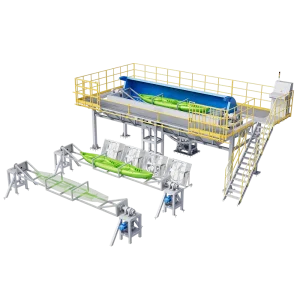
| Cast Aluminum Tooling (A356 Alloy) | 140 - 160 W/m·K | Minor micro-porosity risk; excellent for shot-blast/sand-blast textures. | ±0.50 mm to ±1.00 mm | Complex 3D sculptural products, kayaks, commercial furniture, playground slides. | Moderate to High |
| Fabricated Sheet Steel Tooling (C1020 / Stainless) | 45 - 55 W/m·K | Smooth welded seams; limited to basic polished or painted finishes. | ±1.50 mm to ±3.00 mm | Large cylindrical chemical tanks, septic tanks, intermediate bulk containers (IBCs). | Lowest Capital Investment |
| Electroformed Copper/Nickel Tooling | 300 - 390 W/m·K | Ultra-fine structural detail replication (leather grain, wood grain). | ±0.30 mm | Specialized small complex components, dolls, flexible PVC/TPU hollow parts. | High Custom Specialty |
In rotational molding, equal heat transfer across all mold surfaces is vital. Thicker mold sections create localized hot spots, leading to excessive polymer accumulation and uneven wall thickness. Furthermore, properly engineered venting tubes (typically Teflon-lined or brass vents filled with high-temperature stainless wool) are critical to equalize internal air pressure during heating and cooling cycles, preventing mold line blowouts, surface pinholes, and part warpage.
Avoid unexpected cost overruns, extended lead times, and engineering revisions by submitting a complete RFQ package to toolmakers.
To receive accurate tooling quotes within 48 hours, ensure your engineering specification package contains:
A transparent quotation from a premier rotomolding mold supplier should clearly break down cost components:
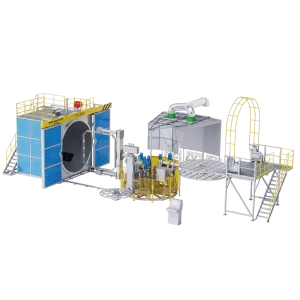
Precision rotational molds perform best when paired with synchronized heating systems, intelligent stations, and modern rotomolding machinery configurations.
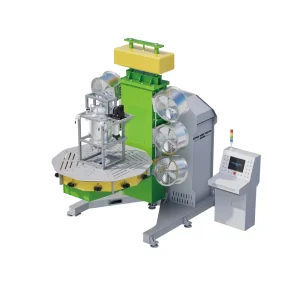
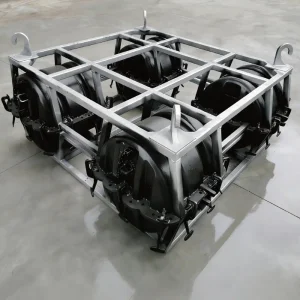
Multi-cavity cast aluminum tools mounted on independent carousel arms allow distinct heating, cooling, and indexing times per station, maximizing plant throughput for medium-to-large production runs.
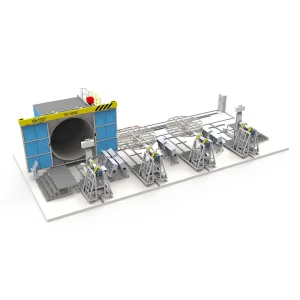
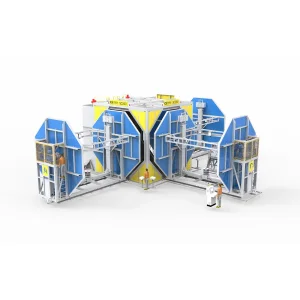
Ideal for large single-cavity molds (such as 10,000L water tanks or heavy marine craft). Shuttle systems allow large molds to move independently into central heating ovens while operators service opposite stations.
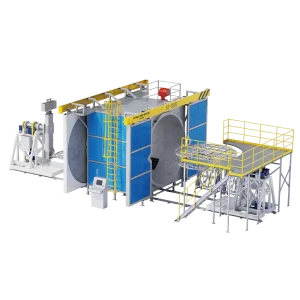
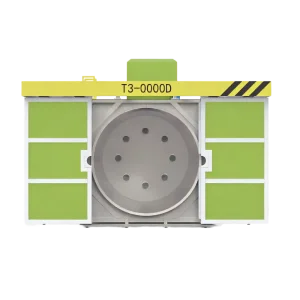
Zero-emission electric heating rotomolding machines provide hyper-precise thermal control within ±1°C, preventing local hot spots on delicate high-precision CNC aluminum tooling and saving energy.
Ensuring international engineering standards, material traceability, and robust protective packaging for global maritime transportation.
Premier rotomolding toolmakers maintain ISO 9001:2015 certified production lines. Raw aluminum ingots and steel plates must be delivered with EN 10204 3.1 chemical composition and tensile test certificates to guarantee mold longevity under repeated thermal stress.
Heavy rotational molds traveling across sea freight containers require heavy-duty rust-inhibiting VCI (Vapor Corrosion Inhibitor) foil vacuum sealing, reinforced steel-bound wooden crate packing, and custom mounting skids for safe forklift loading.
Next-generation innovations reshaping the future of rotational molding tooling design and smart processing.
Embedded high-temperature wireless thermocouples and internal pressure sensors stream real-time thermal data from inside the mold cavity to PLC controllers.
Additive manufacturing and hybrid CNC techniques allow internal conformal air/fluid channels within aluminum mold walls, accelerating cooling cycles by up to 35%.
Predictive computational fluid dynamics modeling simulates oven airflow around complex mold clusters prior to steel cutting, guaranteeing uniform polymer fusion.
Advanced non-stick ceramic nano-coatings eliminate the need for semi-permanent fluoropolymer mold release sprays, lowering VOC emissions and part scrap rates.
Expert technical answers to essential questions asked by industrial buyers and engineering managers.
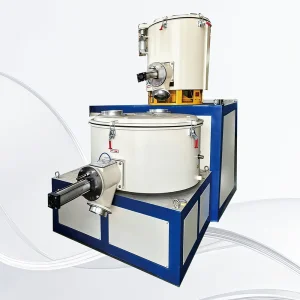
Explore high-capacity rock and roll swing machines, high-speed polymer mixers, lined shuttles, and custom heavy-load machinery configurations.