
Explore top-tier rotational molding machinery, automatic weighing integration, and eco-friendly electric heating configurations engineered for precision industrial applications.
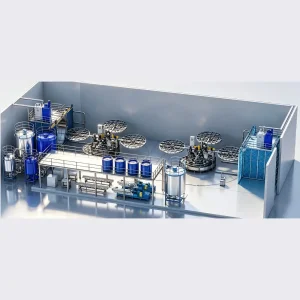
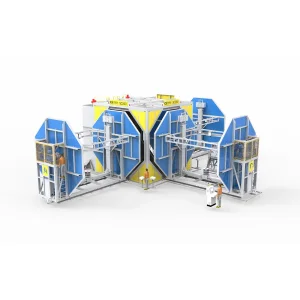
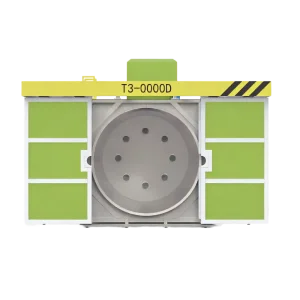
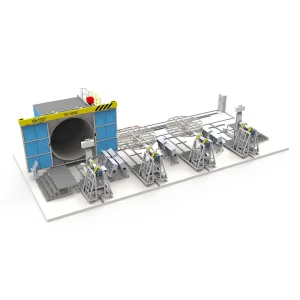
The global rotational molding (rotomolding) equipment market is undergoing a structural transition driven by automated material dosing, real-time thermal monitoring, and energy-efficient heating chamber designs. As industrial buyers evaluate capital expenditure (CapEx) against operational expenditure (OpEx), selecting the correct rotomolding machine vendor requires analyzing thermodynamic efficiency, structural arm rigidity, mechanical payload limits, and total cost of ownership (TCO).
Rotational molding is unique among polymer processing techniques because it produces stress-free, seamless, double-walled hollow components without joint weak spots. Unlike injection molding or blow molding, rotomolding tooling costs are drastically lower, enabling economic short-run production of complex geometries ranging from 50-liter agricultural containers to 30,000-liter industrial chemical storage tanks.
However, energy efficiency remains the single largest operational variable. Traditional direct-gas open-flame systems are increasingly being replaced by indirect gas recirculating ovens, electrical infra-red arrays, and smart thermal-sensor controlled shuttle machines. Modern automated plants demand integrated PLC architectures capable of adjusting major and minor axis rotational speeds independently while capturing thermal curves in real time.
Equipment pricing in the rotomolding sector depends heavily on structural configuration, heating medium (Natural Gas, LPG, Diesel, or Electric), indexing diameter, mold weight capacity, and automated arm controls. Below is an engineering benchmark outlining price ranges, capacity metrics, and target applications across core equipment classifications.
| Machine Category | Configuration / Model Type | Max Swing / Spherical Dia. | Arm Payload Capacity | Estimated FOB Price Range (USD) | Ideal Industrial Application |
|---|---|---|---|---|---|
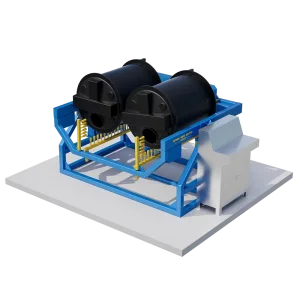
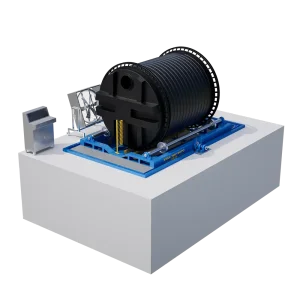
| Rock & Roll Machine | Open Flame / Compact Oven Type | 1,500 mm – 4,500 mm | 800 kg – 3,500 kg | $15,000 – $48,000 | Water tanks, septic tanks, long cylindrical pipes, low-ceiling factories. |
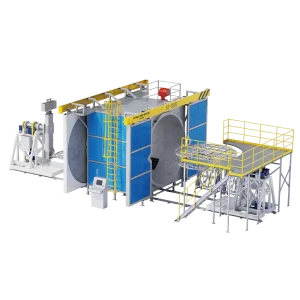
| Linear Shuttle Machine | 2 Station / Dual Arm Linear Track | 2,000 mm – 5,500 mm | 1,200 kg – 5,000 kg | $45,000 – $135,000 | Varying cycle times, large custom hollow parts, kayak production lines. |
| Square Shuttle Machine | Multi-station Flex Doors & Cooling | 2,500 mm – 6,000 mm | 2,000 kg – 7,500 kg | $85,000 – $210,000 | High-throughput industrial containers, chemical drums, heavy duty IBCs. |
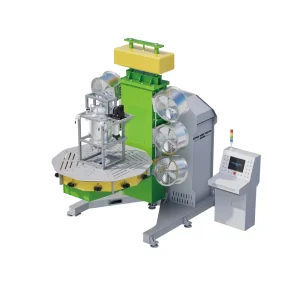
| Carousel Rotomold Machine | 3-Arm / 4-Arm Independent Carriage | 1,600 mm – 4,800 mm | 1,000 kg – 4,500 kg per arm | $120,000 – $380,000 | High-volume standardized production, toys, automotive ducts, cooler boxes. |
| Electric Heating Machine | Zero-Emission Eco-Smart Oven | 1,200 mm – 3,200 mm | 500 kg – 2,500 kg | $35,000 – $115,000 | Cleanroom agricultural parts, precision livestock equipment, European green zones. |
Heating energy represents 40–55% of recurring operational expenses. Advanced rock-and-roll and shuttle ovens utilize high-density ceramic fiber insulation blankets combined with Italian Riello or Honeywell gas burners, reducing heat radiation losses by up to 22%.
Integrate automated resin gravimetric weighing systems directly into shuttle workstations to prevent raw material waste. Automated pneumatics ensure powder is fed into hot molds without manual operator exposure.
Independent AC variable-frequency drives (VFD) allow precise 0.1 RPM control over both primary (major) and secondary (minor) rotation axes. Perfect wall thickness uniformity is achieved even in severe deep-draw cavities.
Understanding mechanical dynamics and operational workflow differences is essential when specifying equipment from global rotomold machine suppliers.
Carousel systems represent the pinnacle of high-volume rotomolding output. Available in 3-arm or 4-arm configurations, the machine indexes molds sequentially through heating, pre-cooling, cooling, and loading/unloading stations.
Shuttle machines feature a central heating oven with one or two mold-carrying arms operating on linear rails extending from left and right sides.
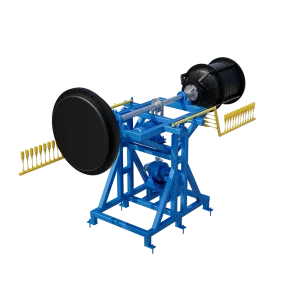
Specifically engineered for extra-large, elongated hollow articles such as 5,000L to 30,000L water storage vessels, agricultural troughs, and drainage pipes.
Addressing stringent global environmental regulations, clean-energy electric heating rotomolding systems utilize infrared radiant heating arrays combined with intelligent thermal management.
China has consolidated its position as the global hub for advanced rotational molding machine manufacturing. By coupling end-to-end industrial supply chains with high-precision CNC machining centers, Chinese manufacturers provide global buyers with exceptional engineering value without compromising quality or durability.
Established in 2009, Ningbo StarWay Roto Co., Ltd. exemplifies the strength of China's advanced manufacturing sector. With over 23 years of cumulative rotomolding engineering expertise across its founding team, StarWay Roto operates a modernized 20-acre production plant integrated with full-process CAD/CAM design, heavy CNC mold milling, and automated machine assembly lines.
China’s rotomolding ecosystem benefits from complete vertical integration. Raw polymer compounding (LLDPE, HDPE, Cross-linked PE, Polypropylene), CNC mold manufacturing (cast aluminum, CNC block aluminum, fabricated sheet steel), burner electronics, and heavy-duty planetary gearboxes are manufactured in close geographic proximity. This reduces lead times for custom rotomold machinery from 6 months down to 45–60 days.
Industrial buyers across different geographical regions present distinct procurement intents and machine specification requirements based on local market demands:
High demand for heavy-duty shuttle machines capable of molding heavy-wall agricultural chemical tanks, commercial septic tanks, marine docks, and premium insulated cold-chain boxes. Buyers prioritize robust steel frames, high arm weight capacities (3,000 kg+), and Allen-Bradley / Siemens PLC integration.
Strong focus on carbon footprint reduction, thermal energy compliance, and CE safety certification. Electric heating rotomold machines and low-NOx gas burner carousels dominate search queries. Popular applications include smart municipal waste containers, solar-powered livestock feeders, and design furniture.
Primarily focused on cost-effective Rock and Roll open-flame systems and standard linear shuttle units. Primary application drives center on 1,000L to 10,000L vertical water storage tanks, overhead home tanks, road safety barriers, and agricultural livestock troughs.
When comparing rotomold machine quotes from suppliers worldwide, evaluating initial equipment price alone leads to unforeseen operating costs. Use this engineering evaluation protocol before issuing a Purchase Order (PO):
Verify whether the heating chamber uses dual high-volume recirculating blowers. Poor airflow causes hot spots, resulting in uneven wall thickness, bubbles, degradation of PE resin, and longer cycle times.
Inspect straight arm, offset arm, and L-arm designs for structural steel grade and heavy-duty spherical roller bearings. Flexing arms cause severe gear backlash and vibration during biaxial rotation.
Efficient cooling accounts for 35% of total cycle time. Look for dual-stage cooling chambers combining high-pressure air movement with fine water mist atomizers to prevent part shrinkage and warpage.
Ensure the heating system incorporates globally serviceable burners (e.g., Riello, Weishaupt, Maxon) equipped with double solenoid shut-off valves, air pressure switches, and flame failure monitoring units.
Select from heavy-load shuttle equipment, specialized open-flame systems, and smart factory integrated production lines.
Clear engineering answers regarding capital investments, machine installation, maintenance protocols, and custom mold optimization.