
Explore top-tier Rock & Roll, Shuttle, and Oven-based rotational molding machinery directly configured from premier manufacturing lines.
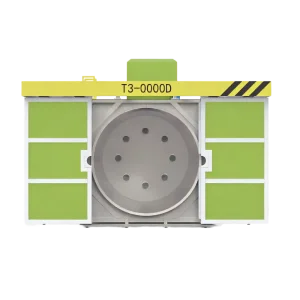
Understanding the thermodynamic principles, polymer physics, and structural advantages of biaxial rotational molding over alternative thermoplastic processing methods.
Unlike injection or blow molding, rotational molding (rotomolding) operates under zero mechanical pressure. Thermoplastic powder melts and fuses gradually against heated mold walls, yielding stress-free products with superior impact resistance, zero weld lines, and uniform wall thickness distribution.
Because molds do not need to withstand high hydraulic pressures, rotomolding tooling—constructed via CNC-machined fabricated sheet metal or cast aluminum—costs 60% to 80% less than equivalent injection molds, making it exceptionally economical for large, complex hollow components.
State-of-the-art machines utilize independent minor and major axis speed controls (typically operating at variable speed ratios between 1:1 and 1:10), ensuring optimal resin flow kinetics even into tight radii, deep undercuts, and intricate mounting inserts.
When sourcing custom plastic products—such as 10,000-liter chemical storage tanks, heavy-duty insulated cold chain boxes, commercial kayaks, or agricultural sprayer units—rotational molding provides the lowest total cost of entry, maximum design versatility, and high structural resilience against environmental stress cracking (ESCR).
Backed by over two decades of rotational molding machinery innovation and global factory installations.
An in-depth analysis of key capital expenditure (CAPEX) drivers, equipment tier classifications, and operational expenditure (OPEX) variables for international procurement teams.
When requesting quotations for rotational molding machines from primary Chinese manufacturers, prices vary depending on kinematics, heating technology, station geometry, and automation integration. Below is an engineering benchmark breakdown designed to guide enterprise budget planning.
| Machine Category | Typical Configuration / Arm Type | Ideal Application Scope | Estimated Price Range (USD) | Core Cost Drivers |
|---|---|---|---|---|
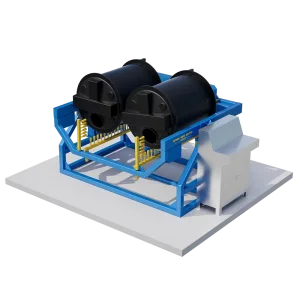
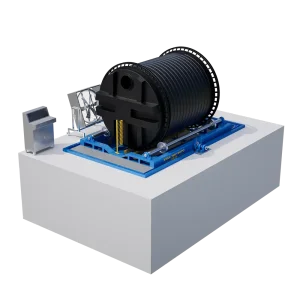
| Rock & Roll Machine | Open Flame / Enclosed Oven, 1 Arm | Large cylindrical tanks, septic tanks, long hollow pipes (>50,000L capacity) | $25,000 – $65,000 | Burner output rating, structural steel frame thickness, swing-angle gearboxes. |
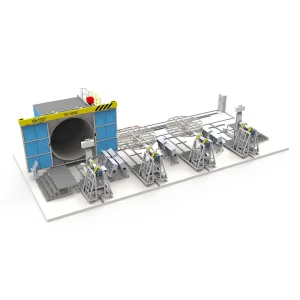
| Lined / Shuttle Machine | 2–3 Arms, Linear Track, Enclosed Oven | Mid to large products, flexible multi-product batch runs (containers, kayaks) | $45,000 – $130,000 | Floor footprint reduction tech, automated oven doors, indexing accuracy. |
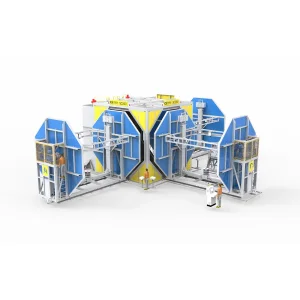
| Square Shuttle System | Multi-Arm (1–3 arms), 4 Independent Stations | High-mix production, heavy industrial components, modular scale-up | $60,000 – $180,000 | Integrated oven door mechanisms, heat distribution fan power, PLC controls. |
| Independent Arm Carousel | 3 to 5 Independent Arms, Central Spindle | High-volume continuous manufacturing (coolers, automotive, toys) | $110,000 – $380,000+ | Independent station timing, servo drive precision, thermal sensor telemetry. |
| Electric Heating Oven Machine | Eco-Friendly Enclosed Heating Chamber | Zero-emission green factories, strict regional environmental compliance zones | $50,000 – $150,000 | Heavy-duty electric heating elements, digital temperature regulation systems. |
Oven wall insulation thickness (high-density rock wool or ceramic fiber up to 200mm) directly affects hourly gas or electric consumption. StarWay machines utilize multi-layer thermal shielding, reducing thermal dissipation by up to 28%.
Upgrading from standard asynchronous motors to precision inverter-driven servo gearboxes prevents resin sagging during critical gelation phases, dramatically reducing scrap rates on complex geometries.
Selecting CNC-machined 6061-T6 aluminum vs. cast A356 aluminum vs. fabricated steel impacts heating cycles. Cast aluminum offers optimal thermal conductivity, reducing cycle times by 15–20%.
How China's fully integrated industrial ecosystem, specialized cluster infrastructure in Ningbo, and advanced manufacturing capabilities deliver unrivaled ROI for global buyers.
Located in Ningbo, China—the global capital of mold manufacturing and plastics machinery—our facilities enjoy immediate proximity to raw material micronization mills, high-precision CNC toolmakers, specialized burner suppliers (such as Riello and Weishaupt), and international shipping ports.
China's rotomolding sector has evolved far beyond standard copy-cat manufacturing. Leading entities like Ningbo StarWay Roto hold dozens of patents, engineering world-record scale installations (such as the massive S2-8500 industrial machine) and pioneering green electric-heating ovens with CE safety compliance.
Compared to European or North American equipment builders, top-tier Chinese manufacturers deliver equivalent structural durability, Siemens PLC automation systems, and CE/UL compliance at significantly lower capital costs, enabling faster project ROI payback cycles (often under 14 months).
Examining technological convergence, IoT automation, multi-layer skin-foam moulding, and energy-saving designs reshaping modern plastics fabrication.
Modern rotomolding lines incorporate wireless in-mold temperature sensors (GSM thermocouples) that communicate directly with Siemens or Mitsubishi PLC microcontrollers. Operators monitor internal air temperature (IAT) curves in real time, automatically triggering peak cure cycles and cooling phases to prevent resin degradation.
To reduce raw material weight while drastically increasing structural rigidity, macro solutions now utilize 3-layer co-extrusion/rotomolding (Solid Outer PE + Foamed PE Core + Inner PE Layer). This technique is essential for high-performance coolers, heavy industrial pallets, and insulated transport vessels.
With stringent global carbon regulations, electric heating rotomolding ovens equipped with high-efficiency ceramic resistance banks and heat exchangers are replacing traditional open-flame systems, minimizing carbon footprints while providing precise 1°C thermal stability inside the chamber.
How versatile rotational molding machinery fuels essential industries across agriculture, marine logistics, chemical storage, and civil infrastructure.
Vertical and horizontal storage tanks up to 50,000L featuring seamless, corrosion-proof cross-linked polyethylene (XLPE) or LLDPE construction.
UV-stabilized kayaks, pontoon boat floats, floating docks, navigation buoys, and oceanographic monitoring shells built to endure harsh saltwater environments.
Corrosion-resistant liquid fertilizer spray tanks, livestock watering troughs, grain hoppers, and tractor cabins designed for heavy field operation.
Heavy-duty insulated cold-chain coolers, linen carts, hazardous material waste bins, traffic safety barriers, and industrial material handling pallets.
Explore electric-heating ovens, multi-arm carousels, and compact lined shuttle configurations to complete your factory line purchasing.
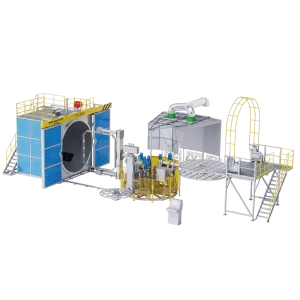
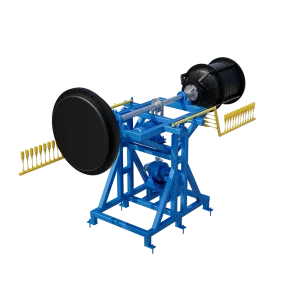
Essential quality assurance benchmarks to evaluate when negotiating machinery contracts with international manufacturers.
Inspect the gauge of structural steel used in heavy arms and spindles. Equipment built with heavy-duty Q235B steel beams prevents arm deflection under high heat and multi-ton mold loads.
Verify that control cabinets are equipped with CE/UL certified components (Schneider, Siemens, Omron) featuring safety interlocks, emergency stop loops, and isolated thermal overload relays.
Ensure your machinery vendor conducts full factory dry-runs and mold thermal trials using test resin before crating and ocean freight dispatch.
Expert engineering answers to common inquiries surrounding machine selection, resin compatibility, pricelists, and installation logistics.