Choosing the right Rotational Molds begins long before a supplier sends a quotation. The mold must match the product’s geometry, resin, production volume, heating method, and expected service life. A large water tank needs different priorities than a compact equipment cover. Wall thickness matters. Corners, ribs, openings, and draft angles influence material flow and demolding. In practice, small design changes can affect cycle time, warpage, and finished weight.
Experienced mold engineers usually compare aluminum, fabricated steel, and other suitable constructions against project demands. Aluminum can support detailed shapes and efficient heat transfer, while steel may suit repeat production and demanding handling. However, material choice alone does not guarantee performance. Cooling channels, vent design, surface finish, parting lines, and clamping access deserve equal attention. Ask for dimensional tolerances, sample-part procedures, maintenance guidance, and evidence from comparable projects. A trustworthy manufacturer should explain limitations, not only promise fast delivery.
Cost is important, but the cheapest mold can become expensive through scrap, repairs, or long cycle times. Review total ownership cost, including tooling changes and production consistency. Product safety and applicable quality requirements should guide every decision. No universal mold exists. The best choice balances practical experience with verified technical data. Still, early estimates can be imperfect. Prototype trials may reveal issues that drawings hide, especially around thick sections and uneven cooling. That is not failure; it is useful evidence. By questioning assumptions and documenting test results, teams can select Rotational Molds with greater confidence and fewer costly surprises.
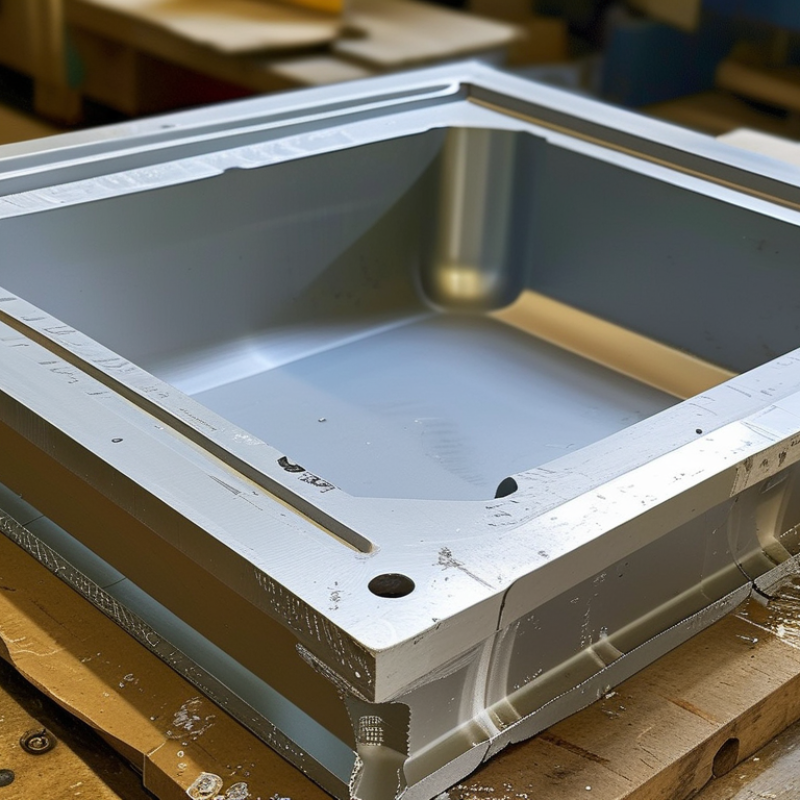
Understanding Rotational Molds and Their Manufacturing Requirements
How to Choose the Right Rotational Molds?
Understanding Rotational Molds and Their Manufacturing Requirements
Choosing a rotational mold starts with understanding the part, not the mold catalog. Rotomolding heats plastic powder inside a hollow mold. The mold rotates slowly while the material melts and coats its inner surface. This process creates seamless products with consistent wall coverage.
Material choice affects mold design, heating time, and finished performance. Polyethylene suits many outdoor and industrial applications because it handles impact well. Complex shapes need careful attention to corners, ribs, draft angles, and air vents. Sharp internal features may cause uneven material buildup. That issue can remain hidden until production testing.
Manufacturing requirements also depend on mold construction. Aluminum molds transfer heat efficiently and support detailed shapes. Steel molds can offer durability for demanding production conditions. The mold must tolerate repeated heating and cooling cycles without losing accuracy. Surface texture matters too. A rough cavity may improve appearance but can complicate part release and cleaning. Experienced manufacturers usually review wall thickness, shrinkage, tolerances, and expected production volume before fabrication.
Tips: Request a prototype or trial run before approving full production. Check difficult areas with section measurements. Ask how the mold will be repaired after repeated cycles. Keep realistic tolerances. Extremely tight dimensions may increase cost and still prove unnecessary. A design can look excellent on paper, yet perform poorly near handles, inserts, or deep recesses. Review those details with the mold engineer early.
Evaluating Mold Size, Features, Costs, and Production Efficiency
How to Choose the Right Rotational Molds?
Mold size should follow the part, not ambition. A mold that is too large increases material use, heating time, and handling difficulty. Grand View Research’s 2024 rotational molding analysis projects the market to grow at about 5% annually through 2030. That growth makes production efficiency increasingly important.
Start with the required volume, wall thickness, and demolding path. A practical mold review checks corner radii, draft angles, inserts, and undercuts before requesting quotations. Complex features can reduce assembly work, but they may increase tooling cost and maintenance. Keep the detail purposeful. Small ribs can improve stiffness, while excessive texture may trap powder or complicate cleaning.
Cost comparisons should include machining, polishing, repairs, storage, and expected cycle life. The mold price alone is misleading. The Association of Rotational Molders identifies aluminum tooling as a common choice because it supports fast heat transfer and design flexibility. However, steel tooling can suit repeated, demanding production. It is not always the cheaper long-term option. Cooling time often limits output more than heating time, especially with thick sections. Measure actual cycle data rather than trusting optimistic estimates. I have seen efficient-looking designs fail because operators could not remove parts quickly. Leave space for safe access, inspection, and future adjustments. Less complexity may win.
Selecting a Rotational Mold Supplier and Verifying Quality Standards
Choosing a rotational mold supplier requires more than comparing quotations. Review their engineering experience, machining equipment, and previous work with similar part sizes. Ask how they control steel thickness, vent placement, cooling channels, and parting-line accuracy. These details affect warpage, surface texture, and cycle time.
Request material certificates for the mold steel and documented inspection results. A reliable supplier should provide dimensional reports, weld inspection records, and traceability for major components. Check whether their quality system follows recognized standards, such as ISO 9001, and confirm how often equipment is calibrated. Standards matter. Evidence matters more.
Before approving production, require a trial mold or sample run. Measure wall thickness at corners, ribs, and deep sections, not only on flat surfaces. Inspect flash, sink marks, trapped air, and release performance. Ask for leak or load testing when the finished part requires it. A clean sample can still hide weak process control. I once trusted a polished surface too quickly; the first production batch revealed uneven cooling near the base. Allow time for corrective trials, and record every change. A supplier who explains defects openly may be more dependable than one promising perfect results.
Conclusion
Choosing the right Rotational Molds is essential for producing consistent, durable, and cost-effective plastic products. The process begins with understanding rotational molding requirements, including material behavior, heating and cooling conditions, wall thickness, part geometry, and expected production volume. Clear product specifications help determine suitable mold designs, surface finishes, draft angles, inserts, and other functional features. These decisions directly affect product quality, cycle time, and ease of demolding.
Mold selection should also consider materials, construction methods, service life, maintenance needs, and overall cost. Mold size and complexity must match available equipment while supporting efficient production and minimizing material waste. Before placing an order, manufacturers should evaluate potential suppliers based on technical expertise, manufacturing accuracy, quality control procedures, delivery capability, and compliance with relevant quality standards. A carefully selected supplier can provide reliable molds that improve production efficiency, reduce long-term expenses, and support consistent results throughout the product’s service life.

