Choosing a Rotomold Machine is a practical business decision, not a simple equipment purchase. The right choice affects product quality, cycle time, energy use, labor, and future production capacity. A machine that looks affordable may become expensive when heating is uneven, cooling takes too long, or replacement parts are difficult to obtain.
Rotational molding authority Glenn Beall has emphasized, “Consistency is the foundation of successful rotational molding.” That principle should guide every comparison. Examine the oven’s temperature uniformity, arm design, mold capacity, cooling system, and control software. Ask how the machine handles a large water tank mold, a small insulated container mold, or several products during one cycle. Request production records, service response times, and references from companies with similar materials and output.
A useful evaluation begins with your actual products. Measure mold dimensions, resin weight, expected monthly volume, and available factory space. Then calculate the complete cycle, including loading, heating, cooling, demolding, and inspection. Do not judge performance from brochure speed alone. It can mislead.
Some choices remain uncertain. A high-capacity machine may support expansion but waste energy during low-volume production. A lower-cost model may fit today’s budget but limit tomorrow’s designs. This is where careful testing matters. Visit a working factory if possible. Watch the operator load molds, inspect temperature readings, and remove a finished part. Small details matter.
The best Rotomold Machine is not always the largest or most automated. It is the machine that delivers repeatable parts, manageable operating costs, dependable support, and room for realistic growth. Your first decision may not be perfect. It should, however, be measurable, documented, and open to review.
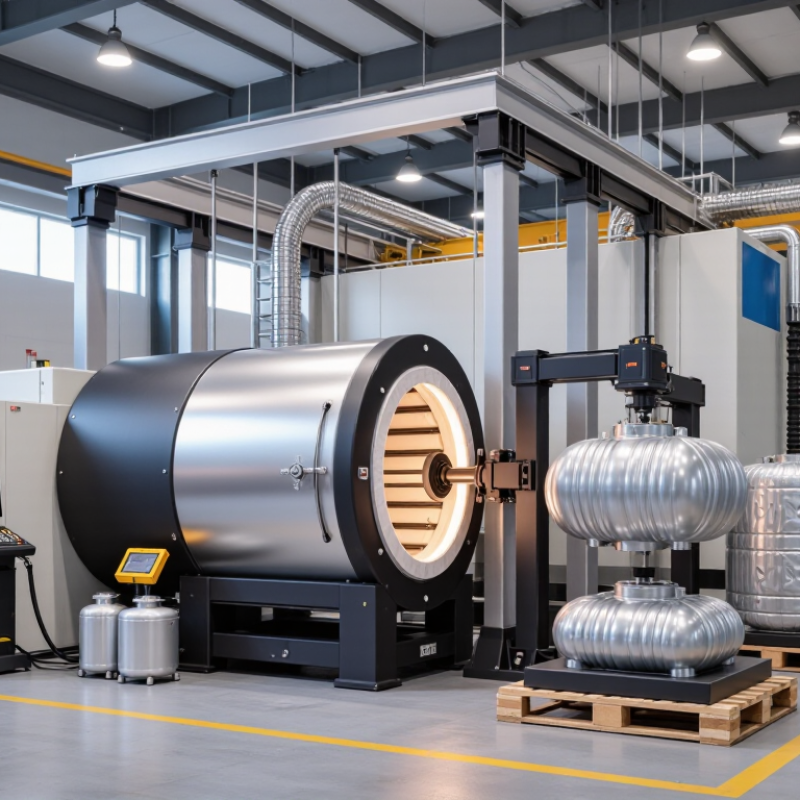
Before choosing a rotomold machine, define the products it must produce. Record each product’s length, width, height, weight, and required wall thickness. Note unusual features, such as threaded openings, ribs, handles, or sharp internal corners. These details affect mold design, powder distribution, heating time, and demolding access.
Material selection also matters. Common rotational molding materials behave differently during melting and cooling. Confirm the resin type, operating temperature, shrinkage, and impact requirements with reliable technical data. A storage tank may need chemical resistance, while a playground component may require stronger impact performance. Do not estimate cycle time from product size alone. Large hollow parts can cool slowly, especially around thick sections.
Production requirements should be measurable. Define the target output per shift, acceptable weight variation, labor availability, and available floor space. Check power capacity, ventilation, loading access, and cooling-water supply before comparing machine sizes. Machine capacity should cover the mold and product weight without creating unnecessary energy costs. It should also support consistent rotation and accurate temperature control.
Small-scale trials can reveal problems that drawings miss. A mold may fit on paper but block operator movement. A cycle may meet output goals but leave uneven walls. These issues are easy to overlook. Leave room for maintenance and future molds. A perfect forecast is rare, so document your assumptions and review them after initial production data becomes available.
How to Choose a Rotomold Machine for Your Business?
Machine type should follow product size, output, and labor conditions. A clamshell machine suits small batches and compact parts. It uses one chamber for heating and cooling. A shuttle machine separates these zones, reducing handling delays. Carousel systems support higher output through several arms rotating between stations. However, they need more floor space and disciplined scheduling. The 2024 Grand View Research report estimated the global rotational molding market at approximately USD 5.4 billion in 2023, with steady growth expected through 2030. That growth does not make every machine suitable for every factory.
Operating method changes surface quality and energy use. Oven-based hot-air systems provide controlled heating and consistent wall thickness. Direct-flame machines can reduce equipment cost, but operators must manage temperature carefully. Rock-and-roll systems work well for long tanks, while biaxial rotation suits boxes and complex hollow parts. Hybrid systems offer flexibility, though maintenance becomes less simple. The Association of Rotational Molders reports that process control remains critical because resin heating, mold rotation, and cooling directly affect warpage and cycle time. Small details matter. A cold mold corner can create a weak section.
Ask suppliers for cycle-time records using your actual mold and resin. Request energy data per production cycle, not only motor power. I would also test demolding after cooling, because laboratory results can look better than factory reality. The choice may feel obvious, but it often is not. Performance can change sharply with operators, mold material, ventilation, and local power costs.
Machine size should follow product dimensions, not available floor space. Measure the mold’s length, width, height, and swing radius. Then allow room for loading, cooling, maintenance, and safe operator movement. A machine that barely fits one mold may restrict future production.
Capacity also depends on arm configuration and mold weight. Calculate the loaded mold weight, including polymer and inserts. Do not rely on the machine’s maximum rating. A practical safety margin of 15% to 20% can reduce strain during rotation.
Grand View Research’s 2024 rotational molding market analysis projects continued market growth through 2030. This suggests rising demand, but demand forecasts cannot replace your own order data. Review monthly volumes, peak seasons, and product changeovers before choosing machine size.
Production efficiency comes from cycle control, not speed alone. Track heating time, cooling time, unloading time, and mold-change minutes. A longer cycle may produce better wall thickness and fewer rejected parts. The U.S. Department of Energy reports that industrial motor systems can represent a major share of manufacturing electricity use. Therefore, compare heating and drive energy per finished part. Record actual results during trials. My practical mistake was judging output from one successful cycle. That estimate was too optimistic.
Tips: Choose equipment that supports your heaviest regular mold, not an unusual prototype. Request measured cycle data, energy readings, and rejection rates. Leave expansion space. It is easy to underestimate maintenance time.
How to Choose a Rotomold Machine for Your Business?
A suitable rotomold machine should match your production volume, product size, and staffing level. Automation can reduce repetitive work, but it also increases control-system complexity. Check whether the machine supports programmable heating, cooling, rotation, and mold handling. During plant visits, observe cycle data, operator access, and alarm response. A reliable interface should be clear at three meters away. Small details matter.
Energy use affects every production cycle. Ask for measured heating and cooling data, not only estimated figures. Insulated ovens, efficient burners, and variable-speed drives may reduce wasted power. However, aggressive energy savings can affect temperature stability. That trade-off deserves testing with your actual resin and mold weight. Safety needs equal attention. Look for guarded moving parts, emergency stops, heat protection, and safe mold-loading zones. Operators should not reach across hot surfaces or rotating equipment. No machine is perfect.
Tips: Compare maintenance records from similar factories. Request spare-part lead times and training details. Inspect bearings, seals, burners, sensors, and electrical cabinets before purchase. Schedule preventive checks around real production hours. A cheaper machine may become expensive when one failed sensor stops a full shift. I would also run a sample trial, because brochures rarely reveal noise, heat, cleaning effort, or awkward access points.
Reference weighting for evaluating automation, energy use, safety, and maintenance needs
This reference model assigns the highest priority to automation because it directly affects labor consistency, process repeatability, and production capacity. Energy efficiency and safety are weighted equally, while maintenance receives a slightly lower but still significant weighting. Adjust the percentages according to your production volume, workforce capability, product complexity, and regulatory requirements.
Choosing a rotomold machine starts with investment math, not catalog size. A medium shuttle machine may cost over US$250,000 before molds, installation, freight, and training. Mold costs can add tens of thousands of dollars per product. Grand View Research forecasts rotational molding demand to grow at about 4% annually through 2030. That growth does not guarantee your factory will be profitable.
Build a five-year spreadsheet. Include machine depreciation, electricity, labor, resin, cooling water, maintenance, rejected parts, and working capital. Compare these costs with realistic annual production, not the supplier’s maximum cycle rate. One overlooked issue is floor space. The oven, cooling station, mold storage, and ventilation system can consume more area than expected. My first costing mistake was excluding mold-change downtime. It made the payback period look attractive, but the estimate was weak.
Tips:
Request three itemized quotations. Ask for cycle-time evidence using similar molds. Verify temperature-control accuracy, spare-parts availability, installation support, and operator training. Require acceptance testing with agreed production targets. Check whether the supplier follows documented quality procedures, such as ISO 9001, and whether the machine supports relevant standards, including ASTM D1998 for polyethylene tanks. Review at least two existing users, preferably in a similar climate and production volume. Cheap equipment can become expensive when troubleshooting crosses time zones. Allow a contingency of 10% to 15%. It may still be insufficient.
Record product length, width, height, weight, and required wall thickness. Note ribs, handles, openings, and sharp internal corners.
They influence mold design, powder distribution, heating time, and demolding access. A narrow corner may need extra heating.
Confirm resin type, operating temperature, shrinkage, and impact requirements using reliable technical data. Do not estimate from appearance alone.
No. Thick sections and large hollow parts may cool slowly. A compact part can still require a long, careful cycle.
Define output per shift, acceptable weight variation, labor availability, floor space, and product changeover needs.
Include mold, polymer, and insert weight. A 15% to 20% margin can reduce strain during rotation.
Check power capacity, ventilation, loading access, cooling-water supply, and operator movement. Floor space alone is not enough.
Track heating, cooling, unloading, and mold-change time. Compare energy use and rejection rates per finished part.
Yes. Trials can expose uneven walls, blocked movement, or difficult demolding. Drawings may miss these practical problems.
Do not judge output from one successful cycle. My estimate was too optimistic, so actual trial data matters.
Choosing the right Rotomold Machine begins with a clear understanding of your products, material requirements, mold dimensions, expected output, and quality standards. These factors will help determine the most suitable machine type, operating method, heating and cooling process, and overall production configuration. You should also compare machine size, load capacity, cycle time, and workspace requirements to ensure the equipment can support both current orders and future growth without creating unnecessary production limitations.
Beyond basic performance, evaluate automation features, energy consumption, operator safety, maintenance accessibility, and the availability of technical support and spare parts. A complete cost assessment should include the purchase price, installation, utilities, labor, maintenance, and long-term operating expenses. By balancing production efficiency, reliability, flexibility, and total ownership cost, you can select a Rotomold Machine that fits your business goals and provides consistent value over time.

