Buying a Rotational Mold Machine in 2026 requires more than comparing price tags and advertised capacity. The right choice must fit your products, materials, molds, factory space, and production rhythm. A machine making small hollow toys needs different controls than one producing 3,000-liter industrial tanks. Check arm configuration, maximum mold size, oven dimensions, cooling capacity, rotation accuracy, and PLC control options. Small details matter.
George Beall, a respected rotational molding author and industry specialist, stated a practical truth: “The process is simple, but the parts are not.” That observation still deserves attention. A reliable machine must support stable heating, balanced biaxial rotation, controlled cooling, and repeatable cycle records. Ask suppliers for test data, not only polished videos. Request sample parts made with your own resin and mold. Inspect wall thickness, corners, inserts, surface finish, and warpage.
This guide examines the decisions behind a sound 2026 purchase. It covers machine types, heating systems, automation, energy use, mold compatibility, maintenance, safety, and supplier support. It also considers total ownership cost. A cheaper machine may consume more energy or create longer downtime. That difference can quietly damage margins.
No buying guide removes every uncertainty. Production conditions vary. Operator skill varies too. Some specifications look impressive but add little value to your actual work. Therefore, compare measurable performance with practical factory needs. Leave room for doubt. The best Rotational Mold Machine is not always the largest or most automated model. It is the machine that repeatedly produces acceptable parts, with manageable costs, dependable service, and enough flexibility for tomorrow’s orders.
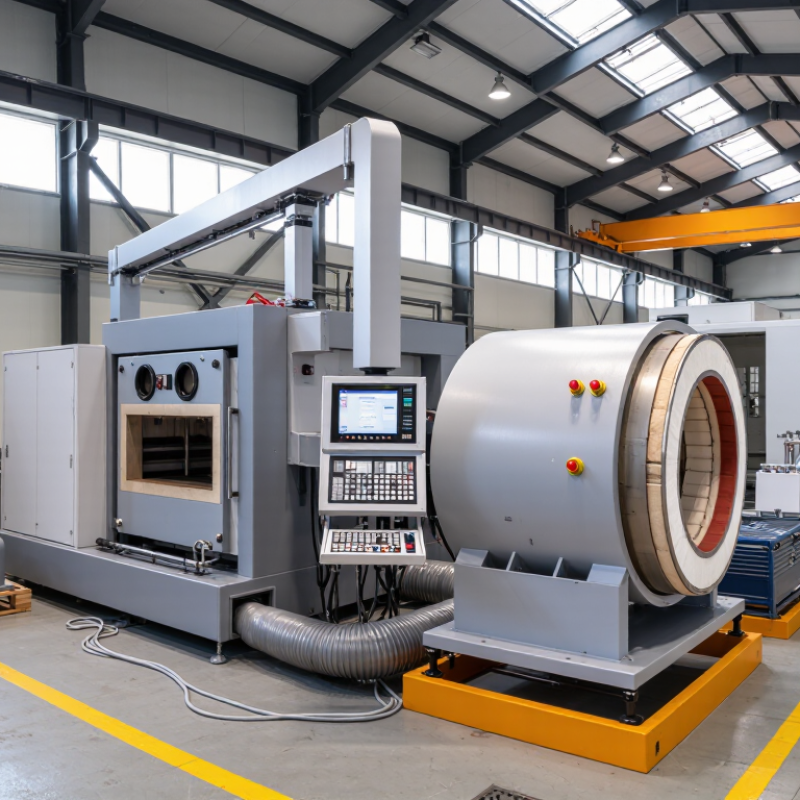
A rotational mold machine forms hollow plastic products through heat and controlled rotation. Operators place measured polymer powder inside a hollow mold. The mold then enters a heated chamber and rotates on two axes. The powder melts gradually and coats the inner surface. The mold rotates slowly. Heat does the rest. As the plastic layer becomes even, the mold moves into a cooling area. Air or water may cool the surface, depending on the material and equipment design. The part stays inside the mold until it becomes stable enough for removal.
This process suits tanks, containers, playground parts, and other large hollow products. Wall thickness depends on powder quantity, heating time, mold movement, and cooling conditions. A thicker wall is not always stronger. Poor temperature control can create bubbles, weak corners, or uneven surfaces. In practical production, checking mold temperature and part weight catches many problems early.
One detail deserves attention: cycle time is not simply heating time. Loading, heating, cooling, and demolding all affect output. Buyers should examine oven size, arm capacity, control accuracy, safety systems, and maintenance access. A machine may look efficient on paper, yet perform poorly with complex molds. Small trial runs are wiser than relying only on specifications. Mistakes still happen. Careful records help reveal why.
A 2026 rotational mold machine should match your production pattern, not merely its advertised capacity. Shuttle machines suit short runs, large parts, and frequent mold changes. Their separate loading and cooling stations can reduce idle oven time. Carousel machines fit stable, high-volume production because multiple arms rotate through heating, cooling, and loading zones. They demand more floor space and disciplined scheduling. Clamshell machines remain useful for compact factories and medium-sized parts, but access and cooling control may limit productivity.
The choice becomes clearer when product details are measured. Large tanks, playground components, and industrial containers often need shuttle or rock-and-roll systems. Smaller, repeated parts may benefit from carousel equipment with several arms. Grand View Research estimated the global rotational molding market exceeded USD 5 billion in 2023, with continued growth forecast through 2030. That growth does not guarantee every machine will pay back quickly. Energy use, mold weight, labor skill, and cycle consistency can change the result. My early mistake was comparing oven size first. Mold change time mattered more.
Tip: Record five real cycles before buying. Measure heating time, cooling time, loading labor, scrap, and electricity per part. Ask suppliers for test data using your resin and mold geometry. Also inspect airflow, temperature logging, and maintenance access. A fast machine with poor cooling control can create warped corners. That is expensive.
Carousel machines are generally suited to higher-throughput production because several molds can be processed across multiple stations. Shuttle and swing-arm machines offer flexible mold changes and are practical for medium-volume or mixed-product manufacturing. Clamshell and rock-and-roll machines are commonly selected for larger, specialized, or lower-volume parts. Station counts shown are representative industry configurations; actual capacity depends on part size, cycle time, oven dimensions, cooling requirements, and mold loading.
Machine size should follow the finished part, not the sales brochure. Measure the product’s longest diagonal, height, mold clearance, and required cooling space. A compact machine may suit tanks, pallets, or playground parts. Larger housings need longer arms and a wider oven. Grand View Research estimates the global rotational molding market reached about USD 6 billion in 2023, with steady growth through 2030. That growth makes capacity planning more important, not less.
Check useful payload, not only maximum payload. Include the mold, inserts, resin, and fixtures in your calculation. Polyethylene remains common, while polypropylene, nylon, and PVC serve more specialized needs.
Request material-processing data for temperature, cycle time, and powder flow. Modern controls should record oven temperature, arm movement, cooling time, and recipe changes.
The U.S. Plastics Industry Association’s 2024 Size and Scale report places domestic plastics industry shipments above USD 450 billion, showing how strongly efficiency affects production economics. Still, energy figures vary widely by product and factory. I would not trust one demonstration cycle.
Tips: Bring a real mold drawing to the supplier. Test the heaviest planned load. Ask for five-cycle repeatability data. Check sensor calibration records. One overlooked detail? Door width. A machine can fit the mold but fail during removal. That mistake is expensive.
A 2026 rotational mold machine should be judged by total ownership cost, not its purchase price. Include mold fabrication, installation, shipping, energy use, labor, and planned downtime. A cheaper machine may consume more electricity during heating and cooling cycles. Ask for cycle-time data from similar products. Energy estimates are never perfectly accurate, so request real production records and inspect the assumptions.
Safety features deserve direct, practical comparison. Look for guarded moving arms, door interlocks, emergency-stop buttons, thermal protection, and clear operator controls. Ventilation matters when heating polymer materials. Check whether the machine allows safe access during cleaning and mold changes. Ask for documented safety tests, training materials, and maintenance procedures. A polished sales presentation is not enough.
Tips: Examine welds, wiring, hoses, and gearbox seals before ordering. Confirm spare-part availability and technician response times. Schedule inspections for bearings, burners, heaters, sensors, and rotation systems. Keep temperature and cycle records; small changes can reveal wear early. I would also budget for unexpected repairs, because maintenance plans often look better on paper than in a busy factory. Leave space around the machine for service access. That detail is easy to miss.
Selecting the right machine begins with the product, not the advertised capacity. Record the largest diameter, wall thickness, resin type, and monthly output. A tank, playground shell, and insulated box need different heating and cooling behavior. During factory evaluations, I check whether the oven holds temperature within a narrow range. I also measure loading clearance around the arm. Small access gaps create expensive delays.
Choose a machine with enough arm spacing for your largest mold and room for expansion. Independent arms can improve cycle control when products need different heating times. Fixed arms may cost less, but they can restrict scheduling flexibility.
Inspect the drive system, mold clamps, exhaust path, and cooling fans in person. Request cycle records, maintenance intervals, spare-part availability, and operator training. Paper specifications are not enough.
Run a sample mold before signing. Watch for thin corners, trapped air, uneven gloss, and difficult demolding. Measure energy use per cycle, because a low purchase price can hide high operating costs. Controls should clearly show oven temperature, rotation speed, alarm history, and cycle time. Ask how quickly technicians respond when a bearing overheats or a sensor fails. No machine is perfect. I have seen teams overvalue speed and underestimate mold change time. That mistake can turn a fast line into a slow one. Review local safety rules and installation requirements before preparing the foundation.
Shuttle machines often suit short runs, large parts, and frequent mold changes. Separate loading and cooling stations reduce oven idle time. Not always. Their layout still needs careful scheduling.
Carousel machines fit stable, high-volume production with repeated smaller parts. Several arms move through heating, cooling, and loading zones. They need more floor space. Disciplined scheduling is essential.
Clamshell machines can suit compact factories and medium-sized products. Their simpler layout may save space. Limited access and cooling control can reduce productivity. Measure this before purchasing.
Record the largest diameter, wall thickness, resin type, mold weight, and monthly output. Tanks and playground shells need different heating behavior. Small access gaps create delays.
Include molds, installation, shipping, electricity, labor, and planned downtime. Measure five actual cycles before buying. Track heating time, cooling time, scrap, and electricity per part.
Look for guarded arms, door interlocks, emergency stops, thermal protection, and clear controls. Ventilation matters during polymer heating. Safe mold-change access matters too. A polished presentation is not enough.
Inspect bearings, heaters, burners, sensors, hoses, wiring, and gearbox seals. Confirm spare-part availability and technician response times. Keep temperature and cycle records. Small changes may reveal wear early.
A sample run can reveal thin corners, trapped air, uneven gloss, and difficult demolding. Measure energy use and cycle time. I once valued speed too highly. Mold-change time mattered more.
A Rotational Mold Machine is a key production system for manufacturing strong, hollow plastic products with consistent wall thickness. This guide explains how the machine heats and rotates a mold so that plastic material coats the inner surface evenly before cooling and solidifying. It also compares common machine types, including systems designed for small-batch flexibility, medium-scale production, and high-output factory operations, helping manufacturers match equipment to product size, volume, and workflow.
When evaluating a Rotational Mold Machine, buyers should consider mold dimensions, loading capacity, compatible materials, automation level, heating efficiency, and process control technology. Total cost should include purchase, installation, energy use, labor, tooling, and long-term maintenance. Safety features such as temperature monitoring, emergency stops, guarding, and reliable ventilation are also essential. By comparing productivity, quality, operating costs, serviceability, and future expansion needs, a factory can select a machine that supports stable production and practical long-term growth.

