
Choosing the 2026 Best Rotational Machine requires more than comparing catalog prices. Global buyers need evidence about efficiency, duty cycles, maintenance, safety, and supplier support. A polished brochure is not enough.
The International Energy Agency has reported that motor-driven systems consume roughly half of global electricity. Its analysis shows why small efficiency gains can matter across factories, water plants, mines, and energy projects. The U.S. Department of Energy also identifies motor systems as major industrial electricity users. Therefore, an efficient Rotational Machine can reduce operating costs, especially when it runs continuously. Yet efficiency claims must be checked under real load conditions.
This guide evaluates motors, pumps, compressors, gearboxes, and other rotating equipment through practical purchasing criteria. We consider IEC 60034 efficiency classifications, ISO quality practices, API 610 requirements where applicable, and documented testing procedures. Reliability matters most during a 2 a.m. breakdown. A sealed bearing, accessible coupling, and available spare parts can matter more than a slightly higher nameplate rating. Local voltage, frequency, climate, installation space, and technician skills also influence the final choice.
There is no universal winner. A machine that performs well in a cool European plant may struggle in a dusty coastal facility. Buyers should request duty curves, vibration limits, service records, warranty terms, and lifecycle-cost calculations. We may still overvalue laboratory efficiency. Field performance can tell a different story. The best selection balances measurable output, responsible engineering, transparent documentation, and dependable support throughout 2026 and beyond.
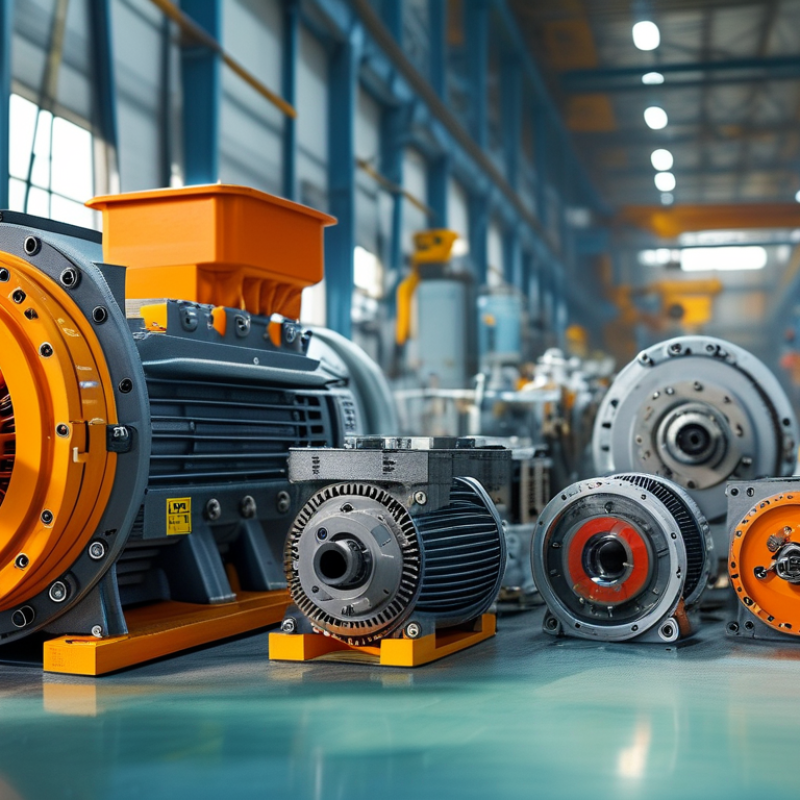
A rotational machine is equipment that uses a rotating shaft to transfer power and produce useful movement. The shaft may drive a belt, gear, blade, pump impeller, or cutting tool. Electric motors, engines, turbines, and generators all belong to this broad machine family. Their designs differ, but controlled rotation remains the working principle.
These machines appear in factories, farms, construction sites, and energy facilities. Conveyors move packages through warehouses. Pumps circulate water, fuel, or process fluids. Compressors supply air for production lines. Fans remove heat from electrical cabinets and workshops. Machine tools rotate drills, cutters, and workpieces with carefully controlled speed. In agriculture, rotating systems support irrigation, grain handling, and harvesting equipment. In power facilities, turbines and generators convert energy through continuous rotation.
Global buyers should examine the actual working conditions, not just the rated power. Check duty cycle, shaft speed, torque, temperature, dust, moisture, and available voltage. A motor that performs well in a clean laboratory may struggle beside a hot, dusty production line. Ask for efficiency data, maintenance intervals, balancing standards, and safety documentation. Installation space matters too. I have seen projects fail because the machine fit electrically but not physically. That mistake is expensive. Noise, vibration, and spare-part access deserve equal attention. Selection is rarely perfect on paper; a trial run may reveal alignment or cooling issues that specifications miss.
A rotational machine, commonly called a rotational molding machine, produces hollow plastic parts by heating and rotating a mold around two or more axes. The process is widely used for seamless products with consistent wall thickness, including water tanks, storage containers, playground equipment, automotive components, and industrial housings.
The chart shows a typical planning allocation for a rotational molding production cycle. Actual timing varies according to polymer type, mold size, wall thickness, loading weight, oven temperature, and cooling method.
The mold rotates inside an oven so the polymer melts and coats the mold surface.
Air or water-assisted cooling solidifies the part while rotation helps reduce material sagging.
After cooling, the finished hollow product is removed and prepared for trimming or assembly.
Applications include tanks, bins, kayaks, traffic barriers, medical products, and agricultural containers.
2026 Best Rotational Machine for Global Buyers
Main Types of Rotational Machines for Different Industrial Needs
Rotational machines convert electrical, hydraulic, or pneumatic energy into controlled motion. The common induction motor remains practical for pumps, fans, and conveyors. It tolerates dust and continuous duty with relatively simple maintenance. Synchronous motors suit constant-speed loads and large compressors. Servo motors provide precise positioning for robotics, packaging, and cutting equipment. Gear motors add torque when a conveyor moves slowly under heavy loads.
The IEA’s Energy Efficiency 2023 report estimates that motor-driven systems consume roughly half of global electricity. The U.S. Department of Energy also reports that motor systems can exceed 70% of industrial electricity use. These figures make efficiency a purchasing issue, not a minor specification. Buyers should compare full-load efficiency, variable-speed control, duty cycle, and service access. A compact 1,450-rpm motor may look efficient, yet poor alignment can waste energy and shorten bearing life.
Hydraulic motors deliver high torque in mobile machinery and harsh production zones. Pneumatic rotary actuators offer fast, clean movement, but compressed air is often expensive. Rotary turbines and expanders serve power-generation and process applications where flow and pressure remain stable. IEC 60034 guidance helps buyers review motor performance and testing requirements. Still, standards do not replace field experience. Ambient heat, washdown water, voltage variation, and spare-part logistics can change the best choice. A perfect shortlist is unrealistic. Many purchasing teams still underestimate installation quality.
Selecting a rotational machine requires more than checking maximum speed. Compare torque, load capacity, accuracy, and operating stability under real production conditions. A machine rated for 1,500 revolutions per minute may lose control when handling heavier tools or uneven materials. Continuous torque matters during demanding cycles. Peak torque only describes short bursts.
Examine positional accuracy and repeatability separately. Accuracy shows how close the machine reaches the intended position. Repeatability shows whether it returns there consistently. For many applications, repeatability within ±0.02 millimeters can be more valuable than extreme speed. Check the duty cycle, motor efficiency, braking response, and heat control. Excessive heat can shorten component life and distort performance.
Control compatibility also affects long-term value. Reliable systems should support clear diagnostics, overload protection, emergency stopping, and straightforward parameter adjustment. Review enclosure ratings when dust, moisture, or temperature changes are expected. Maintenance access matters too.
Technicians should reach lubrication points and replace wear parts without extended downtime. A practical factory trial remains useful. Test the machine with your actual material, tooling, and cycle pattern. Higher speed is not always better. I have seen impressive laboratory figures fail during repetitive operation.
Suppliers should provide traceable test data, service intervals, noise levels, and energy consumption. Some comparisons remain imperfect because workloads differ, so record the testing conditions carefully.
Selecting a rotational machine for global production begins with the product, not the catalog. Define part size, wall thickness, resin type, cycle time, and expected annual output. A large machine may look impressive, yet it can waste energy when producing small parts. Measure twice.
Review the machine’s heating, cooling, and mold-change systems closely. Consistent temperature control helps reduce warping, bubbles, and uneven walls. Ask for trial data using your actual material and mold design. Check power requirements, voltage options, safety systems, and control-language support before purchase. Documentation matters. So does operator training.
Global operations also need practical service planning. Confirm spare-part availability, remote diagnostics, maintenance instructions, and local technician access. Compare energy use per cycle, not only the purchase price. Request clear records for electrical safety and applicable regional machinery requirements. During supplier evaluations, inspect weld quality, cable routing, and access to filters and burners. Small details become expensive delays. A reliable machine should also support future molds and reasonable production changes. Still, no selection is perfect. Forecasts can be wrong, and automation may exceed the team’s current skills. Build room for learning, testing, and occasional redesign.
For global buyers, a rotational machine is more than a catalog specification. Motor efficiency, torque stability, vibration, and service access affect its lifetime cost. The International Energy Agency reports that electric motor systems consume about 53% of global electricity. A small efficiency gap can therefore become a large operating expense.
Compliance must be checked before purchase. Confirm voltage, frequency, enclosure rating, noise limits, and emergency-stop requirements with the destination country. IEC 60034 provides widely used rotating-machine requirements, while ISO 20816 supports vibration evaluation during commissioning and operation. Request test certificates, material records, wiring diagrams, and a multilingual maintenance manual. Documentation matters.
Installation quality is often underestimated. Align the shaft with a laser tool, verify foundation flatness, and record baseline vibration before production. Keep spare bearings, seals, sensors, and coupling elements locally available. ISO 14224 shows how structured equipment data improves maintenance and reliability decisions across industrial assets. Remote support helps, but it cannot replace a trained technician on site. That is a weakness.
Maintenance planning should follow operating conditions, not only calendar dates. Dust, humidity, washdown chemicals, and variable loads can change inspection intervals. Buyers should request recommended lubrication quantities and alarm thresholds. Some specifications look precise but remain incomplete without duty-cycle data. Recheck them. Performance claims also need independent acceptance testing, especially when the machine crosses borders and local service capability is limited.
It uses a rotating shaft to transfer power and create useful movement. Motors, turbines, pumps, and generators are common examples.
They operate in factories, farms, warehouses, construction sites, and energy facilities. Conveyors, fans, pumps, drills, and turbines depend on rotation.
Compare torque, load capacity, accuracy, repeatability, duty cycle, braking response, and heat control. Maximum speed alone can mislead.
Accuracy measures closeness to the target position. Repeatability measures consistent returns to that position. Repeatability may matter more in repetitive production.
Check shaft speed, torque, temperature, dust, moisture, voltage, noise, vibration, and available installation space. Laboratory results may not reflect factory conditions.
Test the actual material, tooling, mold, and cycle pattern. Record speed, heat, energy use, alignment, vibration, and production results.
Confirm voltage options, safety systems, control-language support, documentation, and regional machinery requirements. Physical fit matters too.
Check lubrication access, spare-part availability, remote diagnostics, service intervals, and local technician support. Small delays become expensive.
Not always. Higher speed can increase heat, vibration, wear, or instability. Steady torque and reliable control may produce better results.
No. Forecasts can change, testing can miss alignment problems, and automation may exceed team skills. Leave room for training and redesign.
Choosing the best Rotational Machine for global operations requires a clear understanding of how these machines convert mechanical energy into controlled movement across industries such as manufacturing, energy, transportation, agriculture, and material handling. This guide introduces common types, including motors, pumps, compressors, turbines, and gear-driven systems, while explaining how each suits different workloads and operating conditions. It also highlights essential specifications such as speed, torque, power, efficiency, load capacity, operating temperature, vibration, and service life.
For international buyers, selecting the right Rotational Machine involves matching performance requirements with installation conditions, energy standards, safety expectations, documentation, and after-sales support. The article also discusses practical purchasing considerations, including supplier evaluation, shipping, customs preparation, compliance verification, commissioning, spare parts, inspection, and preventive maintenance. By comparing technical data and total ownership costs rather than focusing only on initial price, buyers can achieve reliable performance, easier integration, and long-term value in diverse global operating environments.
